Search
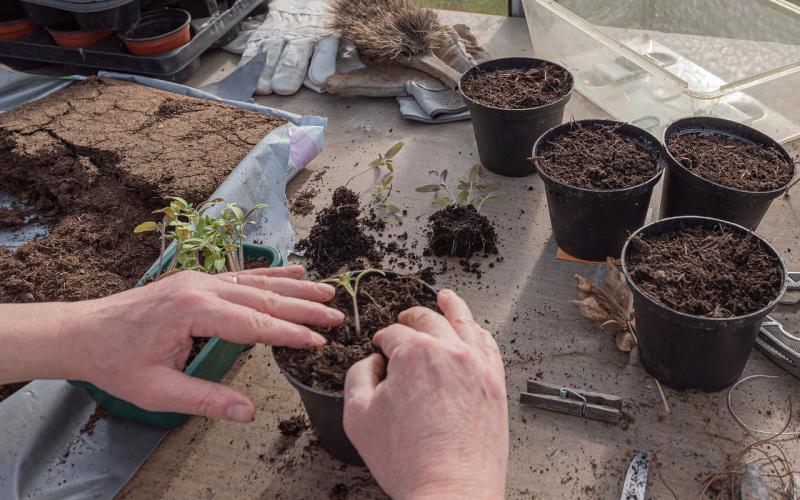
Promoting Safe Community Gardening Amidst the COVID-19 Pandemic
October 20, 2021
SDSU Extension experts have established guidelines for community gardens to follow in order to promote the health and safety of local gardeners during the COVID-19 pandemic.
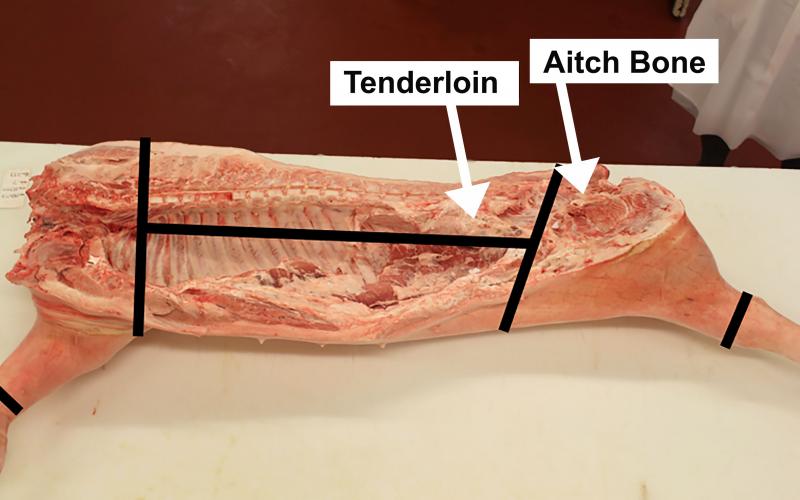
At-Home Hog Slaughter
One option to address supply chain disruptions is to butcher pigs at home.
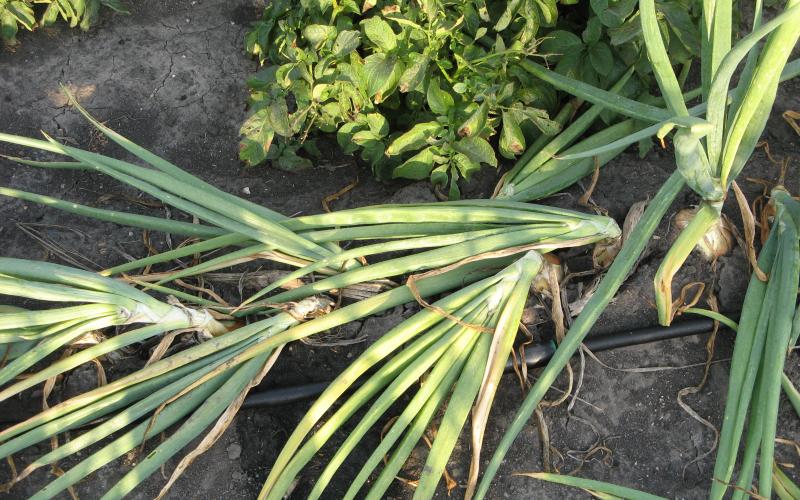
Growing Onions
Onions have been a commonly grown vegetable for thousands of years. They are easy to grow, nutritious and can be stored for months until they are needed as part of a meal. There are many different kinds of edible members of the Allium genus but bulbing onions are the most commonly grown.
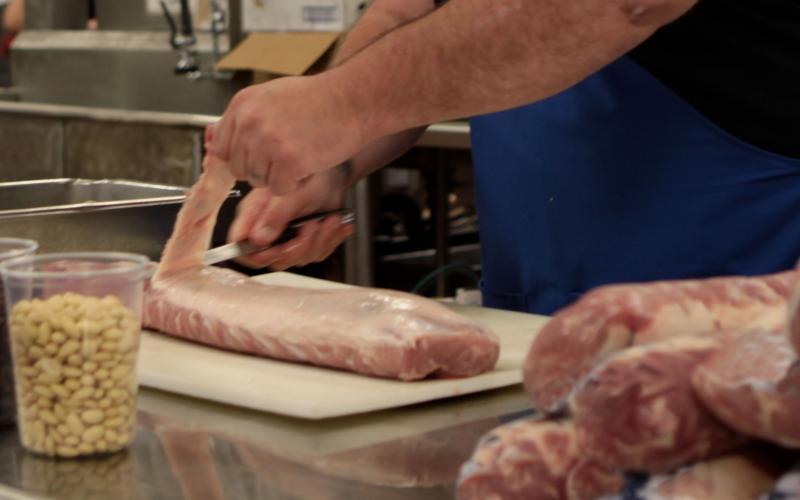
Pork Carcass Fabrication: Primal and Retail Cuts
This article is intended to provide guidance on the proper techniques for fabricating a pork carcass at home.
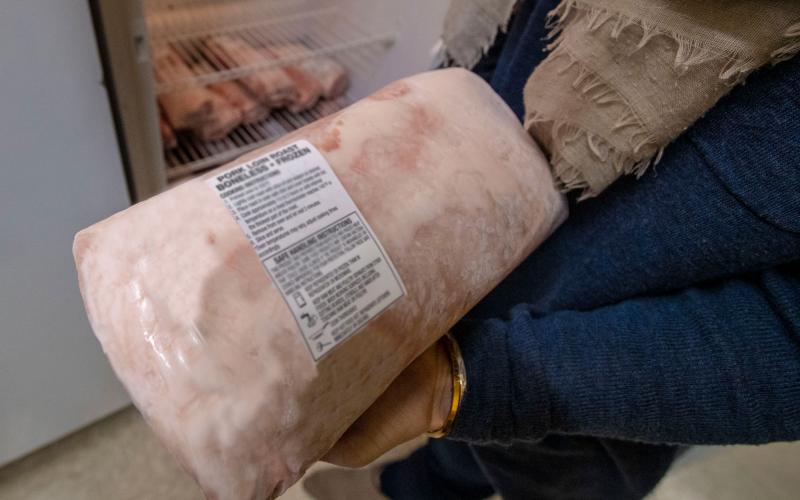
Pork Carcass Fabrication: Packaging and Meat Safety
This article is intended to provide guidance on the proper techniques for packaging meat and storing meat at home.
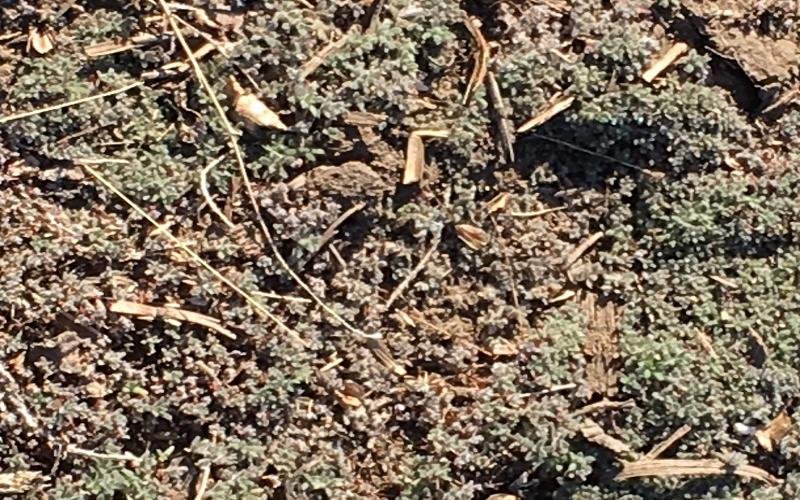
Temperature and Herbicide Performance
In South Dakota, the spring can come with a wide range of temperature fluctuations. This will affect the performance of burndown herbicides. Depending upon the target weed, type of herbicide and application rate, there will likely be decreased weed control in cooler temperatures.

Carrots: How to Grow It
Carrot is a hardy, cool-season vegetable. Carrots are eaten both raw and cooked and they can be stored for winter use.
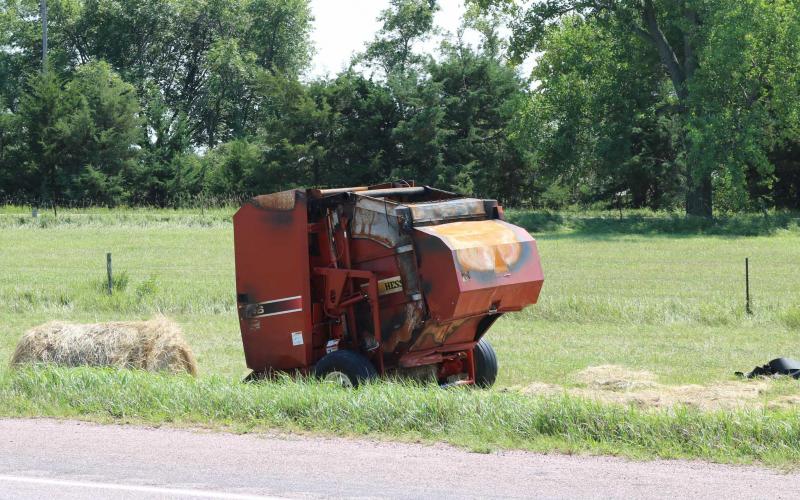
Preventing an Unwanted Baler Fire
Forage harvesting for hay will soon be upon us, and we need to take the time to prepare our equipment and ourselves for a safe and successful forage harvest when utilizing a baler.
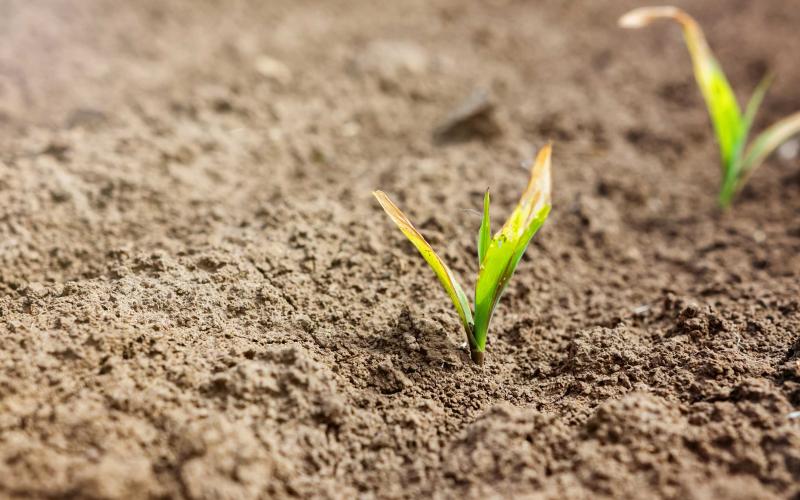
Low Temperature Damage to Corn and Soybean
Temperatures are forecast to reach 32°F or lower in large areas of South Dakota for several nights beginning on May 7, 2020. While a relatively low percentage of planted crops are likely to be emerged at this point in time, producers may still want to evaluate individual fields for crop damage.
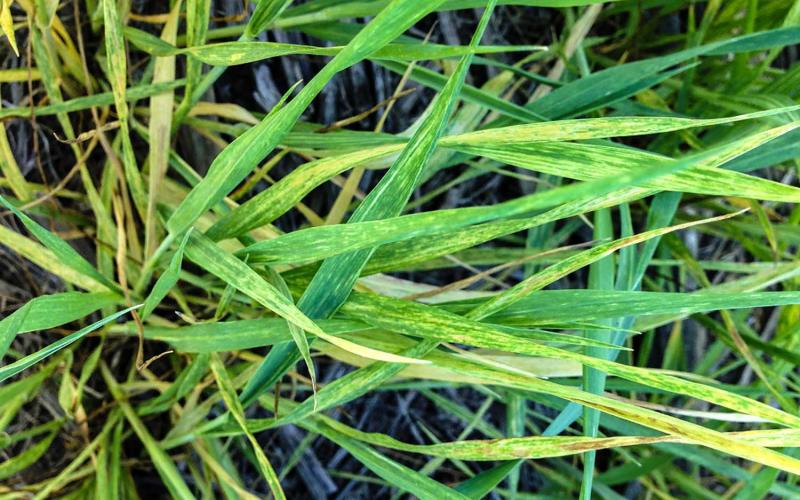
Wheat Streak Mosaic Disease Developing in Winter Wheat
Although the majority of winter wheat in the state is rated good to excellent in the recent USDA-NASS report, a few winter wheat fields in Central South Dakota have been diagnosed with wheat streak mosaic disease (WSMD) caused by wheat streak mosaic virus (WSMV).