Search

Newsletters
Sign up to receive the latest updates from SDSU Extension.
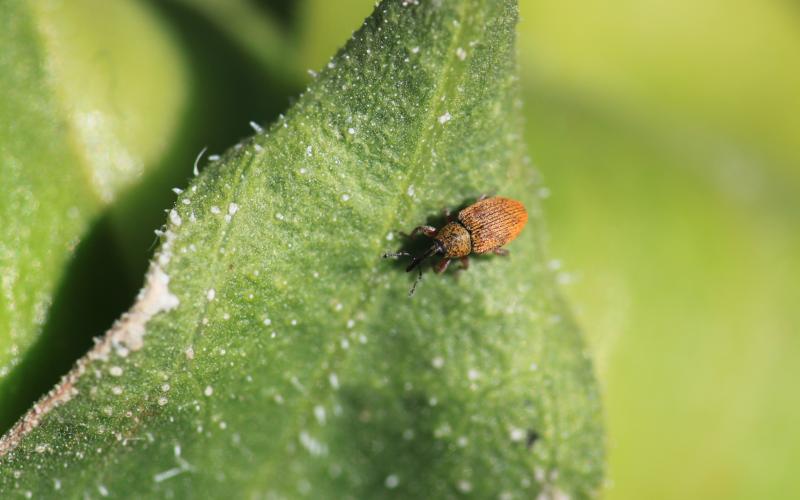
Planting Date and Early Maturing Hybrids as Alternative Management Options for Red Sunflower Seed Weevil
Planting dates and early maturing hybrids can be use as alternative management options for Red Sunflower Seed Weevils in South Dakota.
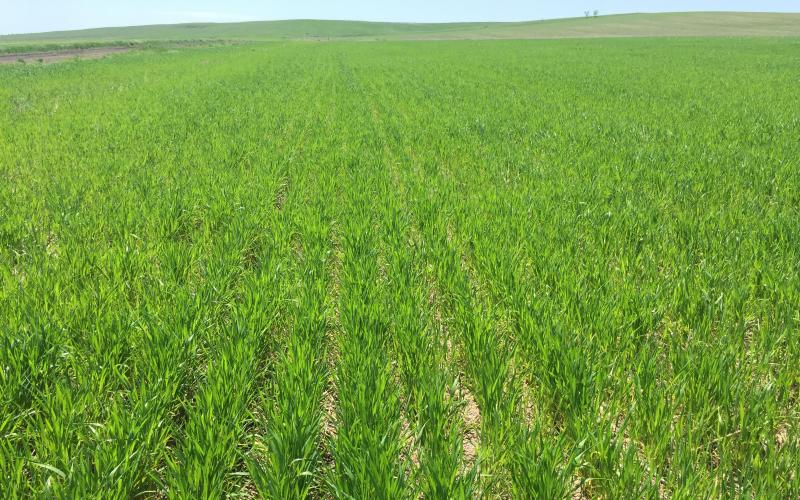
Winter Wheat Variety Trial Results
The Winter Wheat Variety Trial Results are crop performance testing data from various locations across South Dakota.
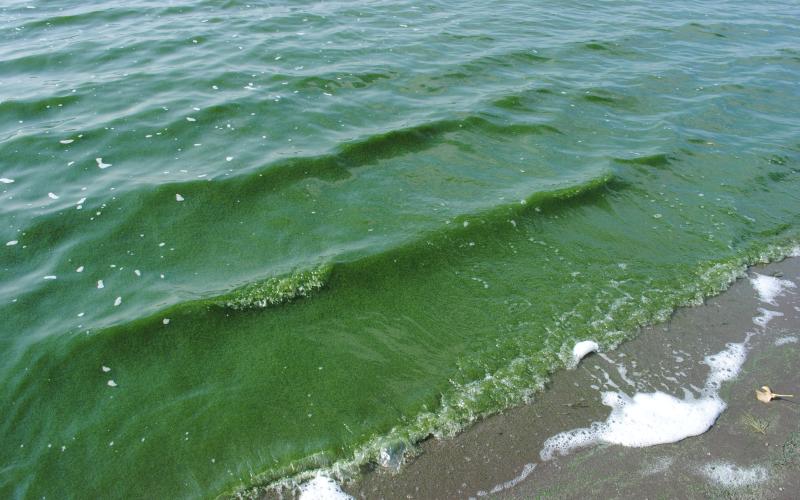
Beach Closings and Harmful Algal Blooms
Recently, the City of Mitchell issued a swimming advisory and public beach closing effective July 31, 2026. The reason for this was due to an elevated concentration of microcystin in the lake due to a harmful algal bloom (HAB).

Tree Pest Alert
From seasonal issues and timely recommendations to disease diagnosis and expert advice, the Tree Pest Alert is a trusted resource for selecting, planting and caring for trees and shrubs all year round.
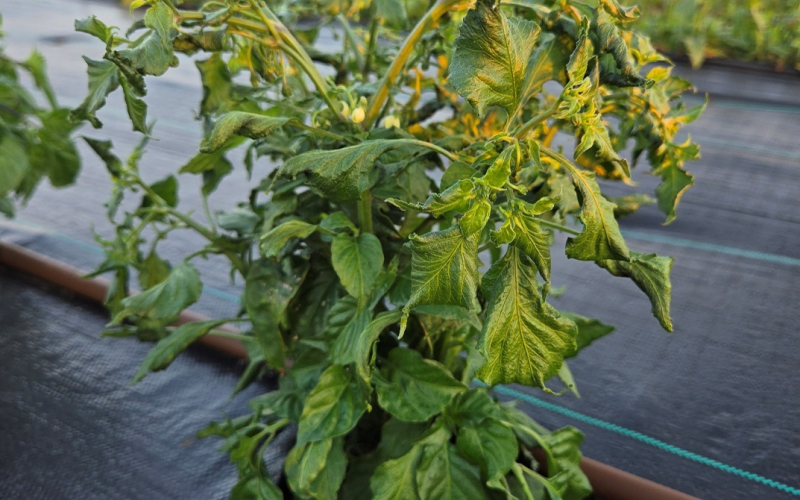
Handling Herbicide Injury in Specialty Crops
Learn how to handle specialty crops that have inadvertently been affected by herbicides.

SDSU Extension welcomes new livestock production and stewardship field specialist
August 11, 2026
South Dakota State University Extension is pleased to welcome Paige Madison as a new Livestock Production and Stewardship Field Specialist.

Dementia
Dementia is an umbrella term to refer to cognitive impairment of various types that interfere with a person’s day-to-day function. Researchers project that half of the adults over the age of 85 will be impacted by some form of dementia.
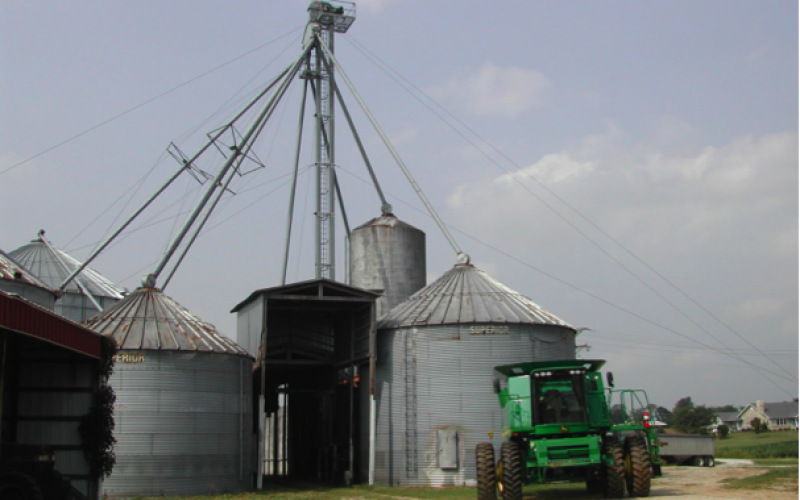
Soybean Drying and Storage
Why dry crop seeds artificially when they can be naturally dried in the field? Two major reasons are: i) allows harvesting when the crop is ripe and mature, and ii) proper storage that preserves seed quality.
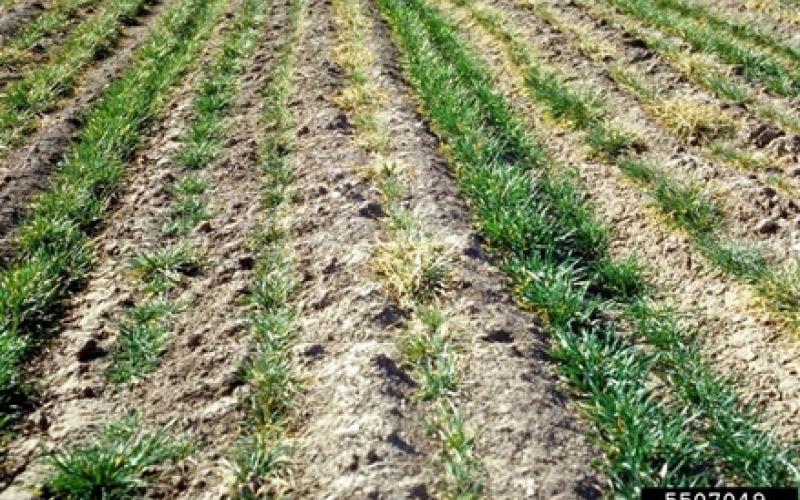
Brown Wheat Mite Affecting South Dakota Wheat
Recently, there have been reports of brown wheat mites throughout central and western South Dakota. The brown wheat mite is generally more of an issue in the drier parts of the state, or in areas experiencing drought. The feeding injury caused by these mites leaves white or brown spots that are referred to as stippling.