Search

Vegetables
Whether you are a beginner or have a green thumb, our tips will help your garden flourish.

Shorten Your Calving Season for a More Profitable Cow Herd
Coupled with good management, a defined breeding and calving season increases the number of cows that conceive early, produces a more uniform calf crop, and allows producers to manage labor, nutrition, and herd health more efficiently.
Forage Crop Insurance Options
In this episode of Cattle HQ, Kim Ricardo, SDSU Extension Forage Field Specialist, and Parker Witt, SDSU Extension Crop-Livestock Systems Field Specialist, sit down with Dr. Matthew Diersen, SDSU Extension Risk and Business Management Specialist, and Dr. Sarah Sellars, SDSU Extension Sustainable Farm and Food Systems Specialist, to discuss forage crop insurance programs and the benefits they can bring to operations experiencing extended dry periods.
Managing Nitrates
In this episode of Cattle HQ, Kim Ricardo, SDSU Extension Forage Field Specialist, Taylor Grussing, SDSU Extension Cow/Calf Field Specialist, Robin Salverson, SDSU Extension Cow/Calf Field Specialist and Parker Witt, SDSU Extension Crop-Livestock Systems Field Specialist discuss current climate conditions and how they may influence forage and feed management decisions.
Multi-Species Grazing and Integrated Livestock Systems
In this episode of Cattle HQ, we visited with Jaelyn Whaley and Dave Ollila to discuss multi-species livestock integration and how sheep and cattle can work together to improve grazing management, forage utilization, and overall ranch resilience. Drawing from both Extension and producer perspectives, the conversation explores the opportunities, challenges, and practical considerations involved in incorporating sheep into grazing systems.
Five Frequently Asked Questions About Native Plants
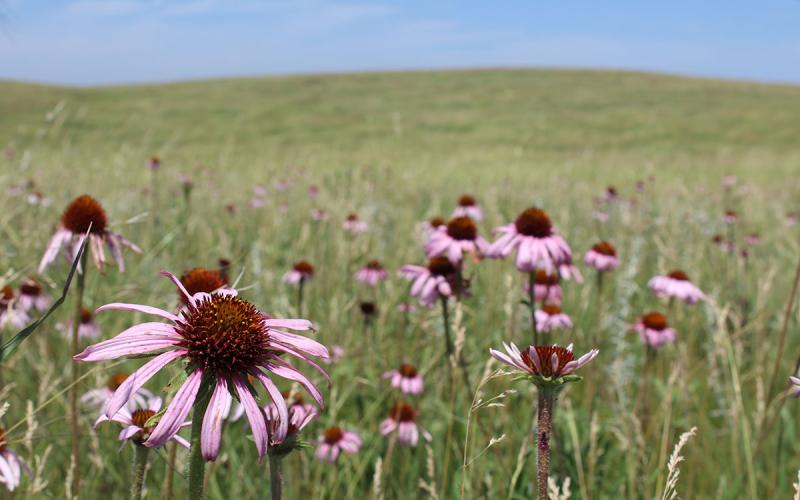
The Native Plant Initiative works strengthen research, education, and Extension related to native plants in our region. As this work has grown, some common questions have emerged about incorporating native plants in landscapes throughout the state.
South Dakota Crunch Off
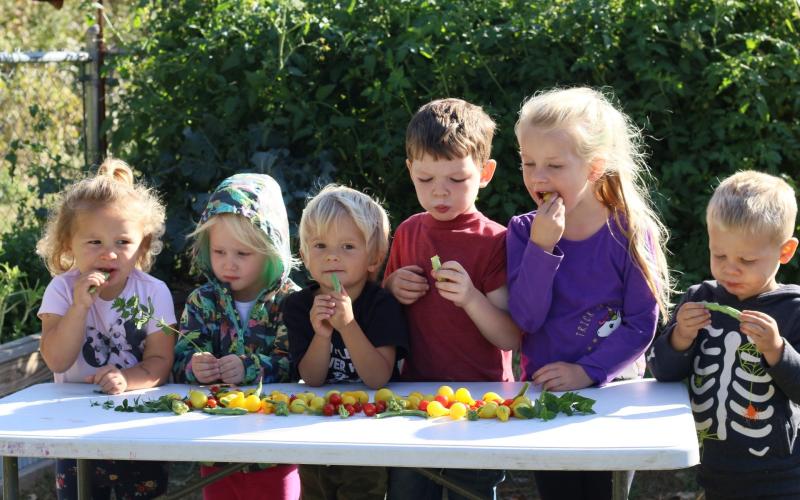
The South Dakota Crunch Off is an annual statewide celebration of local foods and farm-to-school efforts.

Stretching Forage Supplies with Agriculture Byproducts and Crop Residues
For most producers across the Plains, forage supplies are looking limited because of decreased forage production from persistent drought conditions, making now a suitable time to explore alternative feed options.
SDSU provides updated recommendations on soil tarping
August 07, 2026
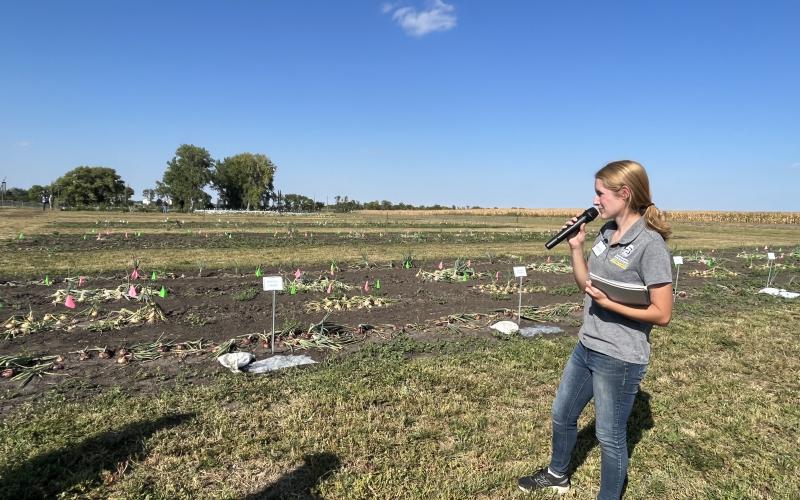
South Dakota State University has published new recommendations on soil tarping that can help producers manage weeds.
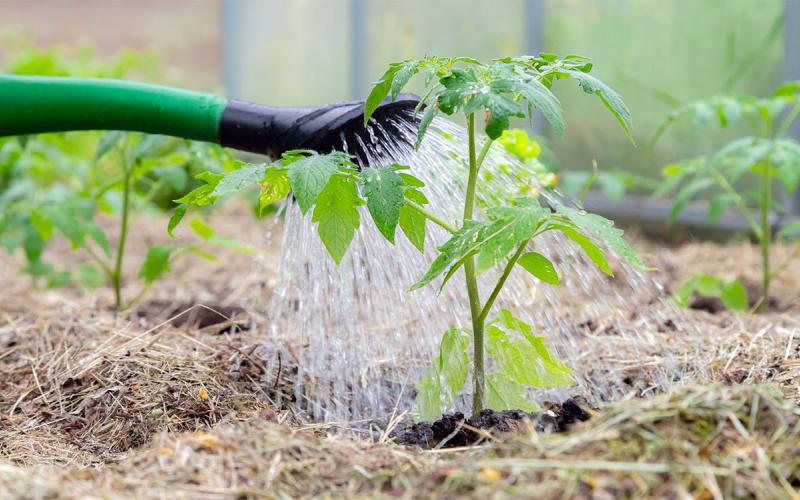
Microbial Water Testing for South Dakota Producers
Microbial water testing is important for produce growers to know the quality of their water to help ensure the safety of the fruits, vegetables, and herbs they produce.