Search
Alfalfa Weevil Activity: June 7, 2019
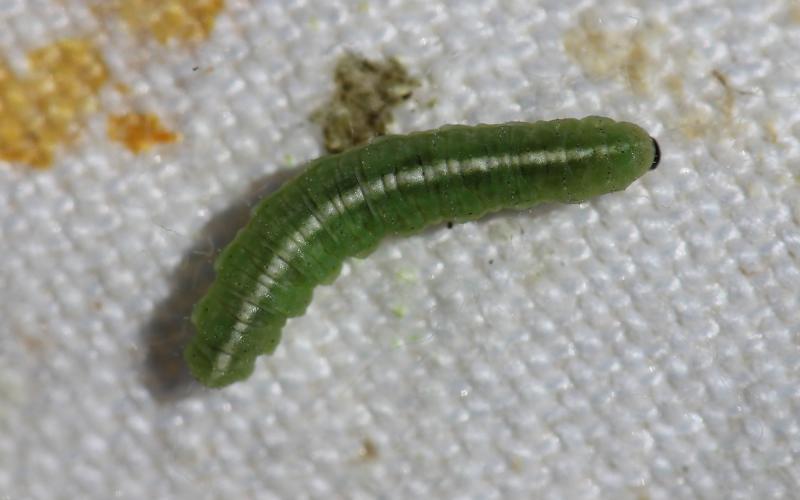
Quite a few degree days were accumulated over the course of the last week. Alfalfa fields should be closely monitored for alfalfa weevil activity for the next couple of weeks, even in areas where degree days indicate the alfalfa weevils are pupating.
Watch for Bean Leaf Beetles
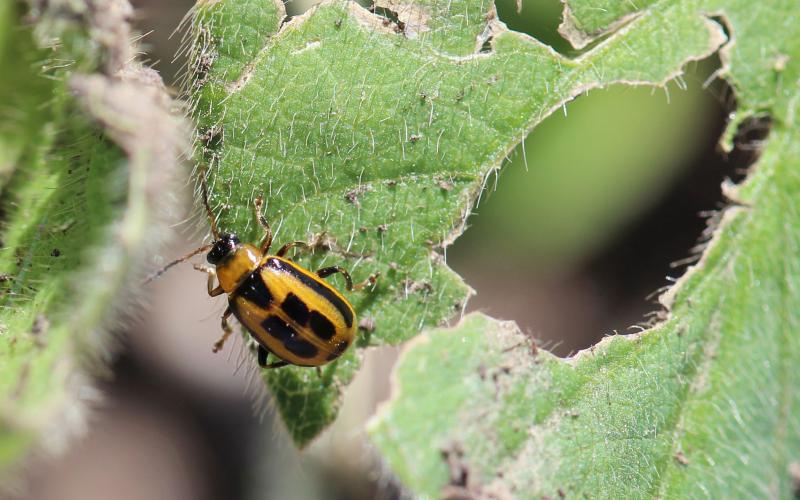
Some soybean in South Dakota has emerged and it is already being attacked by early-season bean leaf beetles. So far, observations of adult bean leaf beetles emerging from fields and defoliation of soybean have been in Southeastern South Dakota.
Iron: An Important Mineral
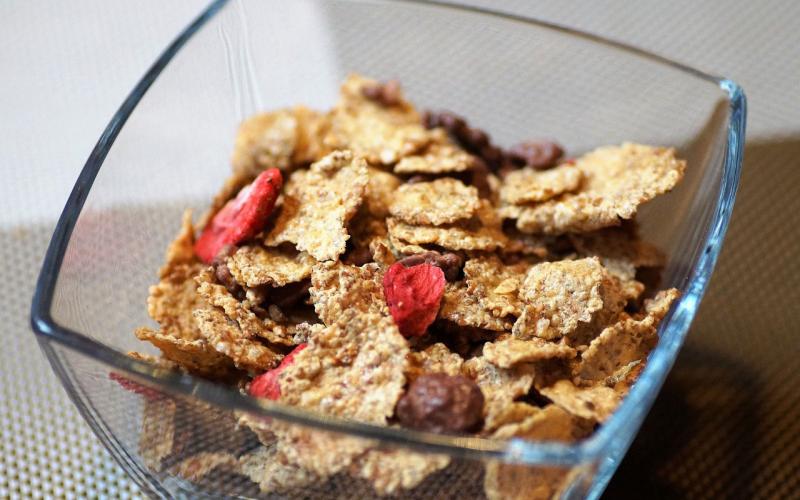
You may have heard or know someone who always speaks about being fatigued, weaker than they once were, or have a difficult time regulating their body temperature. There is a chance that they may be iron deficient.

Cancellation of Several Neonicotinoids
On May 20, 2019, the United States Environmental Protection Agency announced the cancellation of registrations for 12 products that contain neonicotinoid insecticides. The cancellation of the product registrations was voluntarily requested by the companies that had registered the products.
Scout Soybeans for Bean Leaf Beetle Feeding
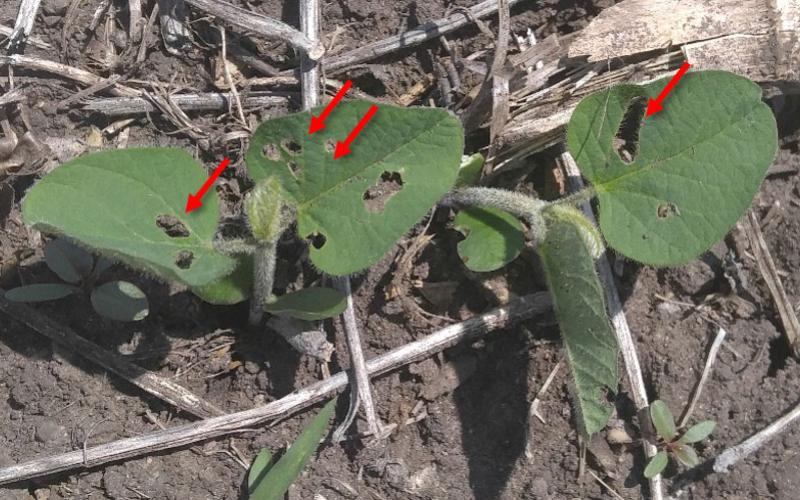
We are receiving numerous reports and also observing very large bean leaf beetle populations this year. As a result, there is also a lot of concern about soybean defoliation due to the emergence and subsequent feeding by the overwintering adult population.
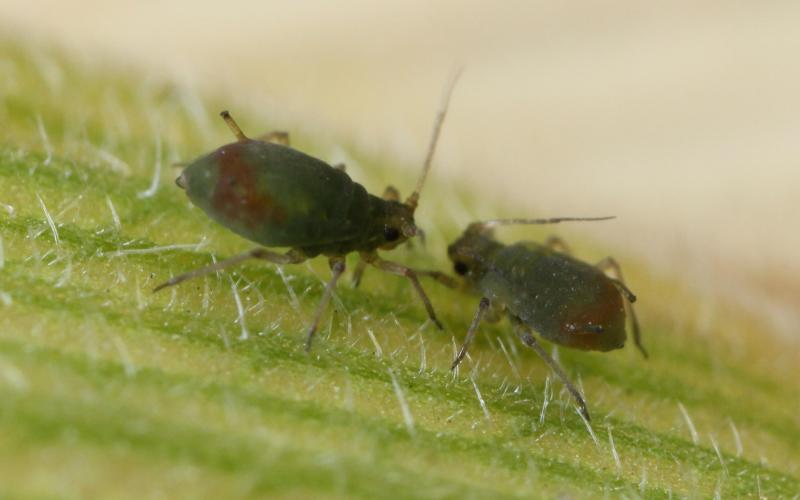
Aphid Populations Being Observed in Wheat
During the past couple of weeks, reports of aphid populations in wheat fields have slowly been increasing. Typically, the initial aphid populations are observed earlier in the season, but the 2019 spring may have delayed infestations.
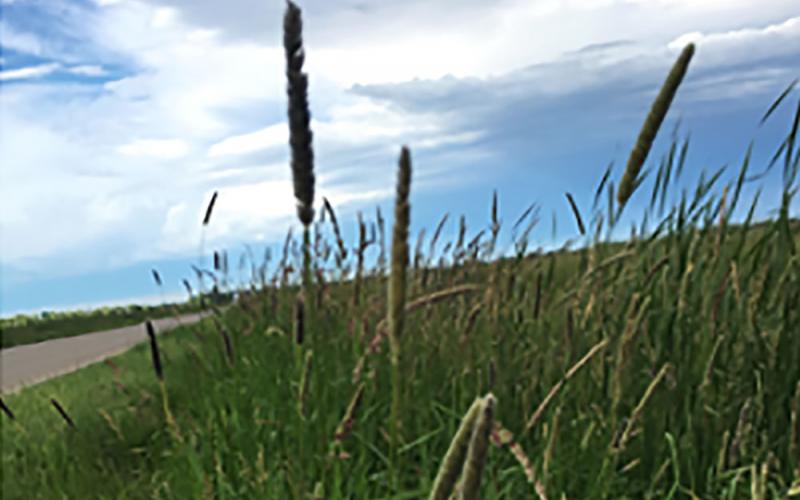
Ditch Hay: Harvesting, Quality, and Feeding
Using ditch hay to feed cattle is a common practice across the U.S. It provides livestock producers with a source of readily available forage, which can be very useful, particularly during feed shortages.
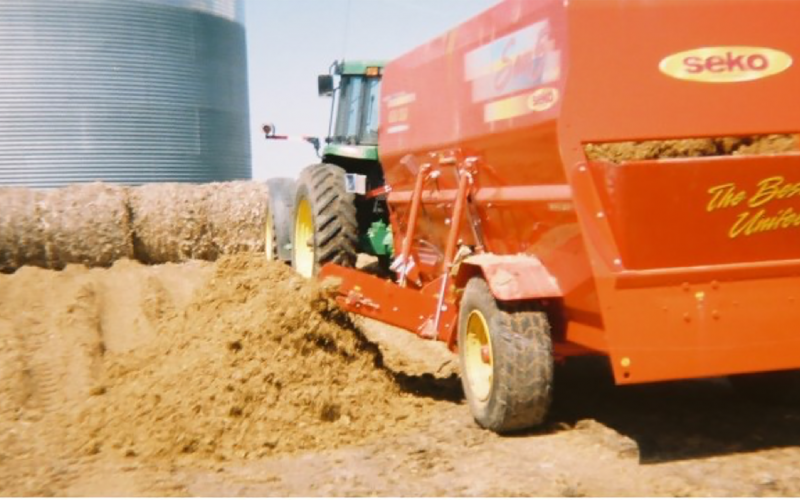
Storing Wet and Modified Distillers Grains
One of the primary challenges for livestock producers in the coming months could very well be feedstuff cost and availability due to the fact that the corn planted acreage and crop progress are both well behind normal benchmarks. One opportunity that might help cattle feeders proactively secure feed supplies would be storing wet or modified distiller’s grains now to be fed at a later date.
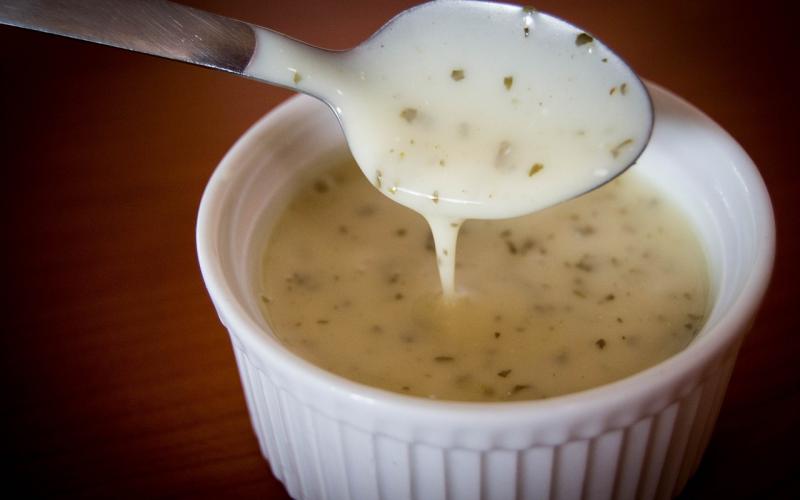
Making a Safe Salad Dressing
Have you ever wondered whether a homemade salad dressing is safe when you’re eating it at your local picnic, potluck dinner, or at a family get together? In this article, we will explore what food safety characteristics need to be addressed to ensure that a salad dressing is made safely.
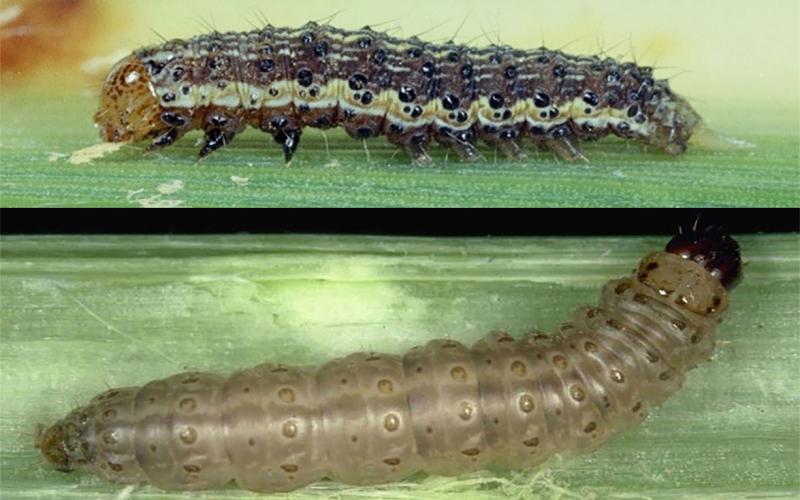
A Case of Mistaken Caterpillar Identity
Tweets about European corn borer (Ostrinia nubilalis) caterpillars in the stems of conventional corn and feeding in the whorls of corn are crossing my Twitter feed. Unfortunately, there is a problem with some of these tweets. Not all of the caterpillars that are being identified as European corn borer caterpillars are actually European corn borer caterpillars!