Search
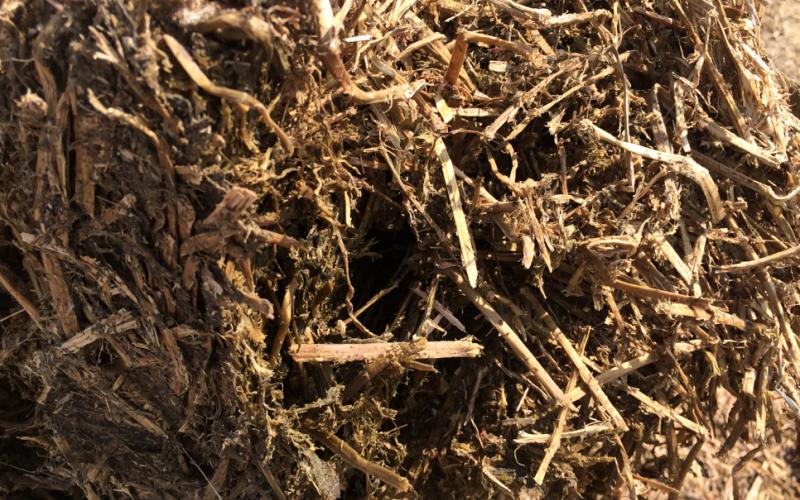
Minimizing Hay Storage Loss From Heating or Fires
Successful hay storage is essential to preserving high quality forage, while ensuring desired performance from livestock and deterring economic losses from unwanted hay storage fires.
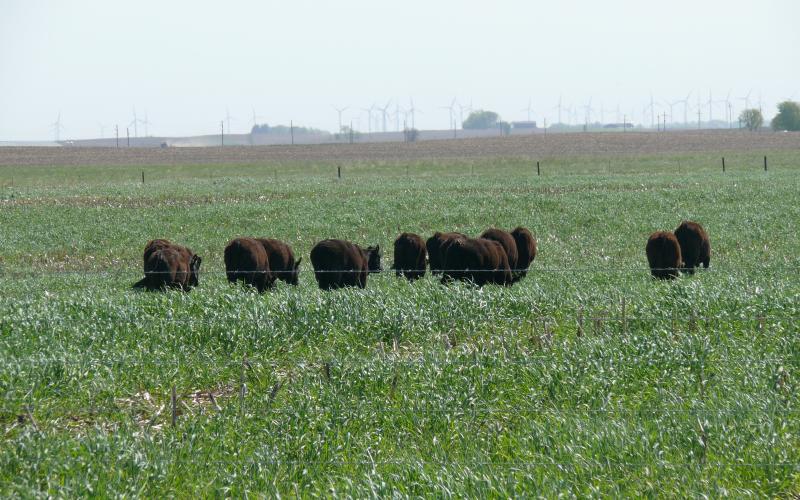
Cover Crops & Livestock Integration: A Profit Opportunity for S.D. Farms
Cover crops have been gaining a reemerging acceptance over the last decade, with very few producers disagreeing about the potential soil health benefits of adding cover crops to their farming operation.
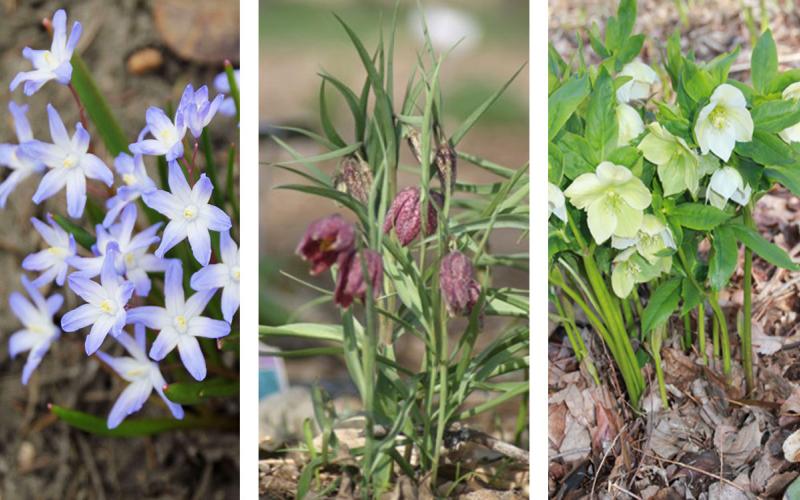
Early Spring Bloomers
From the delicate "Glory of the Snow" to the stunning "Lenten Rose," learn about some of the beautiful, lesser-known, spring-blooming perennial flowers that can be grown in South Dakota gardens.
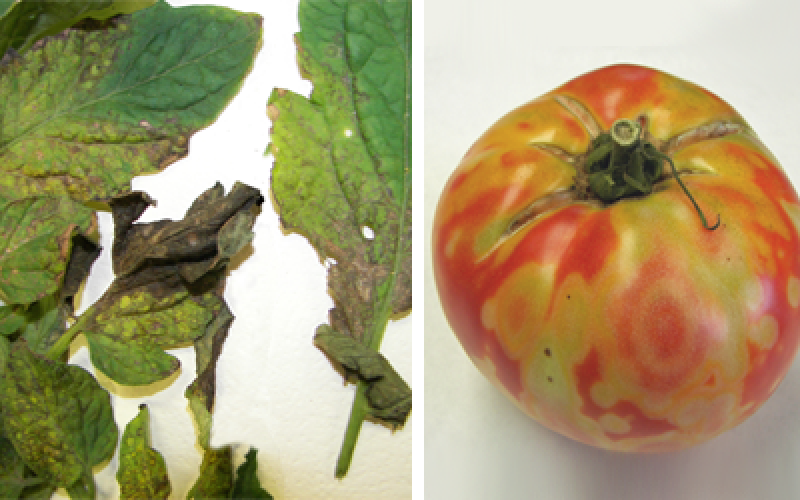
Tomato Spotted Wilt Virus
Tomato Spotted Wilt Virus can be a problem in both field and greenhouse situations, and most frequently its effects in South Dakota are observed on tomatoes and peppers.
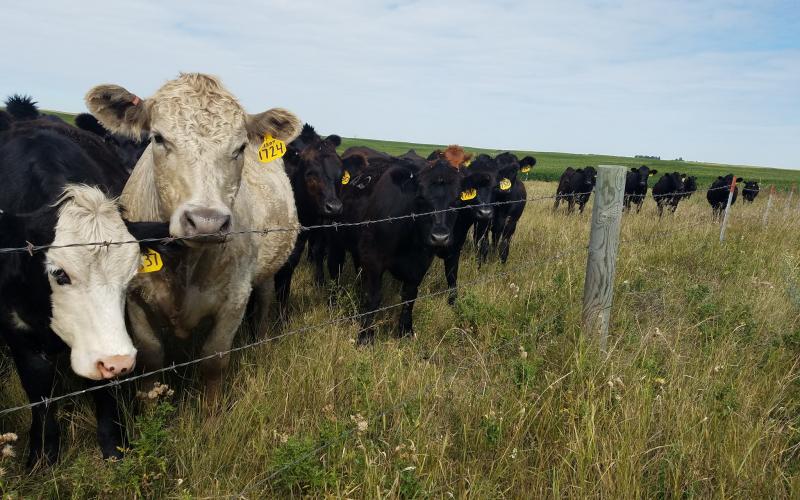
Cows Eat Weeds
By utilizing grazing as a means of cultural control, producers have the potential to decrease input expenses while reaping the benefits of inexpensive weed control through animal nutrition.
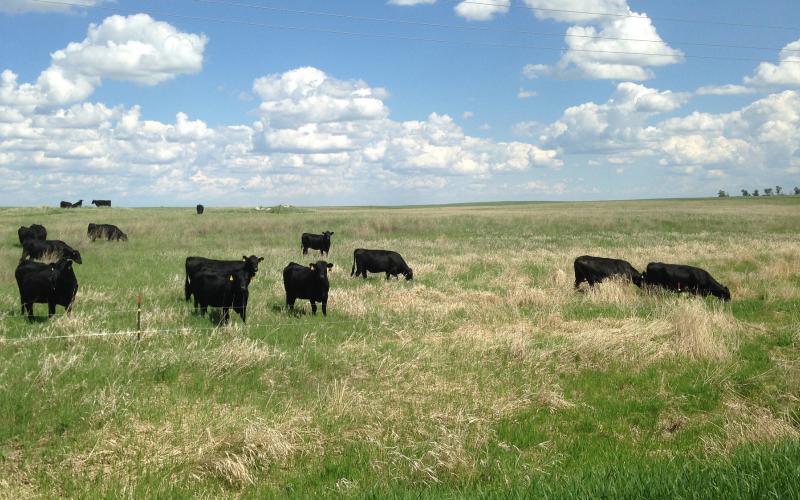
South Dakota Grazing Management Practices: Current & Future
Grazing land occupies 54% of rural land and accounts for a key portion of land use in South Dakota. Many grassland problems can be avoided by using efficient grazing management practices.
![Soybean seed drill planting soybeans. Courtesy: Soybean Checkoff [CC BY 2.0].](/sites/default/files/styles/teaser_800x500/public/2019-02/W-M11461-00-soybean-planting-seeding.png?h=8e25fbe3&itok=F5rUzZIx)
Improve Soybean Profitability by Reducing Input Costs
While declining prices and increasing costs considerably reduce profit for soybean production, there are certain input costs that might be reduced to increase profitability.

Financial Record Keeping Software: A comparison of Quicken and QuickBooks
As fall nears many producers are beginning to gather their records to prepare for taxes. From these records many important operating decisions are made. Agriculture producers often use computer software to keep financial records. While there are software packages tailored for farm and ranch businesses, many producers successfully use general commercial software such as Quicken® or QuickBooks®. Both products can be useful for an agricultural producer’s record keeping. The question which often arises from producers is, “which one do I need”?
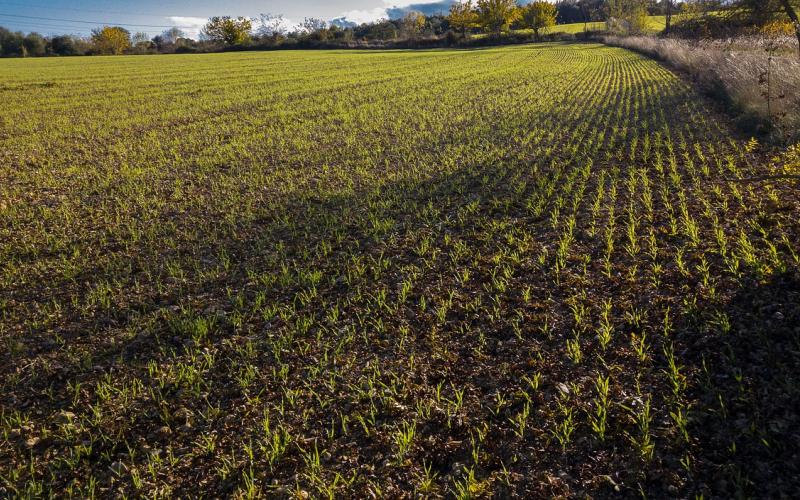
Starter Fertilizer in Winter Wheat
Winter wheat planting season is soon at hand. Questions often abound on the issue of fertilization rates, timing and placement. Over the years, a lot of research has focused on starter fertilizers or split-applying nitrogen (N) and other nutrients. In general, phosphorus placed with the seed has been shown to increase tillering and total grain yield. Nitrogen is more uncertain, due to the possibility of salt burn and the associated yield losses.
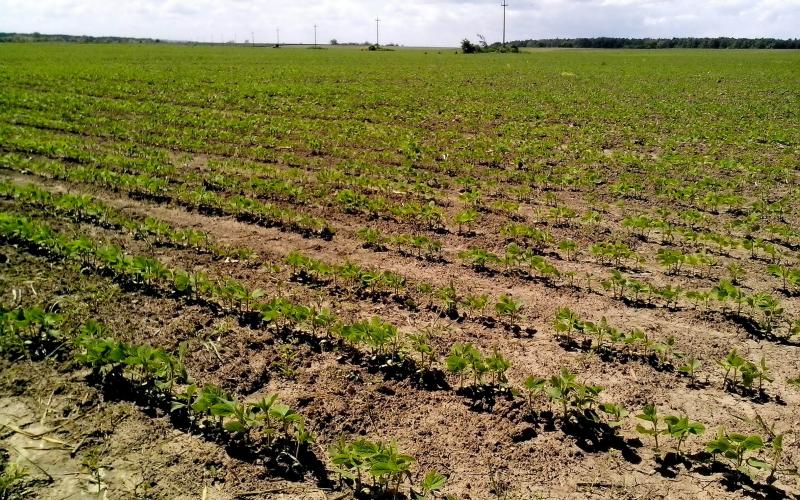
Soybean Production: Cost-effective pest management practices
Chemicals were one of the most expensive individual costs in soybean production, behind only to seed in the non-land cost category. The average cash-rent soybean production farms incurred a crop chemical cost of $39/ac in 2015, an 88% increase from 2010.