Search
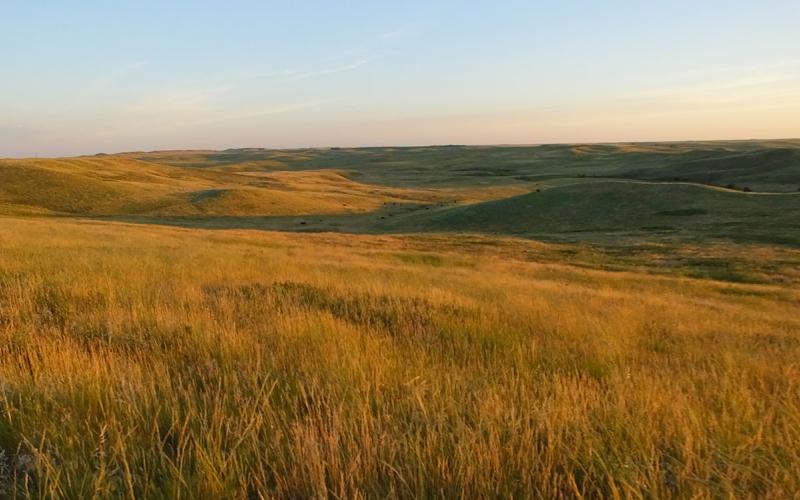
Investigating Rangeland Systems and Practices
Curriculum to teach students about the facets of rangelands.
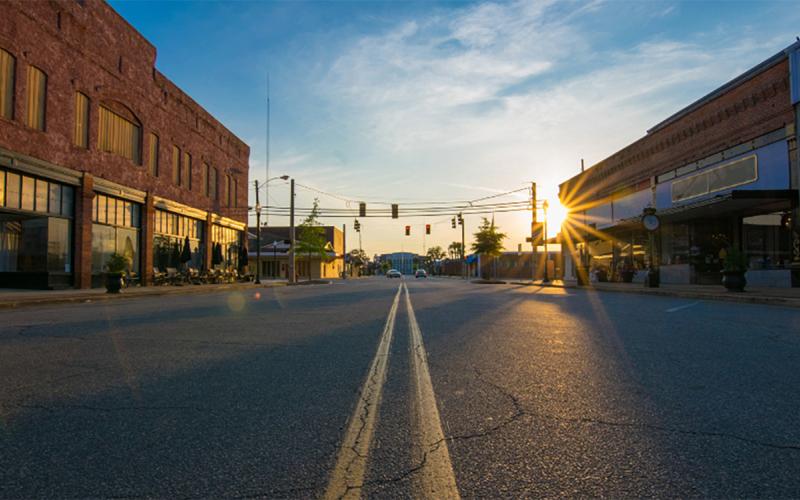
SDSU Extension to host webinar on rural community narratives
August 15, 2023
“Rewriting the Rural Narrative,” hosted by South Dakota State University Extension, starts at 5:30 p.m. MT/6:30 p.m. CDT on Aug. 17.

SDSU Extension 4-H to recognize volunteers during 2023 State Fair
August 22, 2023
The 4-H Volunteer Hall of Fame and 4-H Shooting Sports Volunteer Hall of Fame will add seven new individuals during the 2023 South Dakota State Fair in Huron.

Selling Grade A and B Dairy and Dairy Products in South Dakota
There has been an interest in manufacturing and processing dairy products by South Dakota food entrepreneurs. Learn everything you need to know about the basic requirements for processing and selling Grade A and Grade B dairy and dairy products in our state.

Quality Versus Quantity
Children need high-quality and truly “connected time” with their parents to feel supported and help develop social and emotional skills. Learn some expert tips for making high-quality moments with your kids.
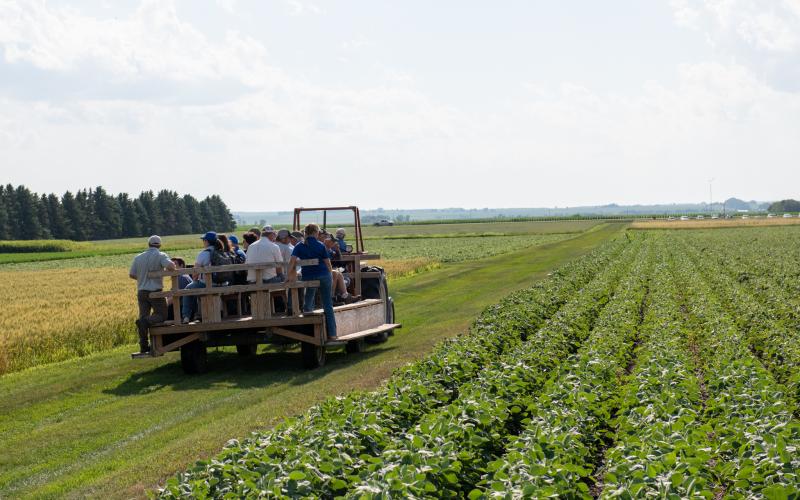
Summer field days showcase South Dakota Agricultural Experiment Station sites
August 25, 2023
Each summer, the South Dakota Agricultural Experiment Station system showcases its research stations with field days. The days include guided tours of each facility and presentations from SDSU and SDSU Extension researchers. Producers, industry professionals and members of the general public can see how winter wheat varieties are tested, or take a trip through a high tunnel.
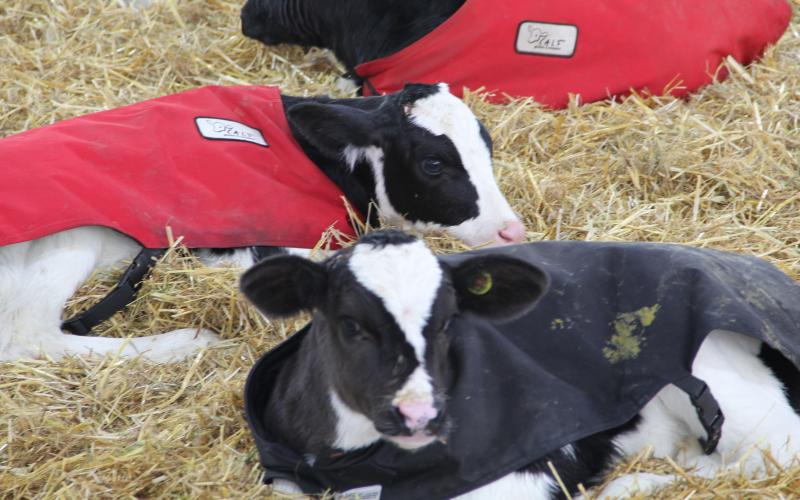
Keeping Pre-weaned Dairy Calves Healthy and Growing in Cold Weather
Cold stress can result in calves turning to stored body fat to generate body heat, essentially losing weight. In addition, calves experiencing cold stress will have compromised immune systems making them more susceptible to disease.

SDSU Hosts South Dakota Aquatic Invasive Species Citizen Monitoring Workshop
On August 10, 2023, the South Dakota Lakes and Streams Association, in conjunction with SDSU Extension, and the University of Minnesota held the inaugural South Dakota Aquatic Invasive Species Citizen Monitoring Workshop.
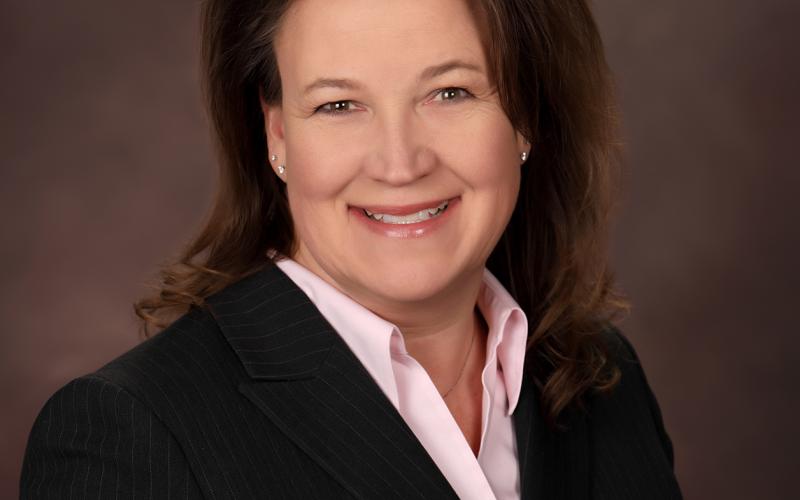
SDSU Extension welcomes new Community Vitality Field Specialist to Aberdeen office
August 22, 2023
SDSU Extension is pleased to welcome Kellie Ecker Kolb as a new Community Vitality Field Specialist based out of the Aberdeen Regional Center.

Be Strategic About Using an Outside Facilitator
Working with an SDSU Extension Community Vitality Field Specialist facilitator can help create an actionable strategic plan for your business with goals and tactics to align your team, board and stakeholders.