Search
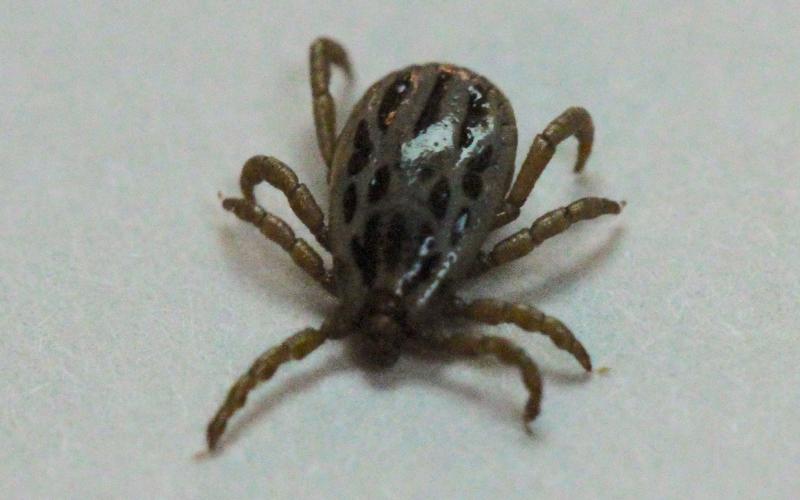
Winter Ticks in South Dakota
Winter ticks, also called moose ticks, are unlike other tick species because they are active during the winter months.
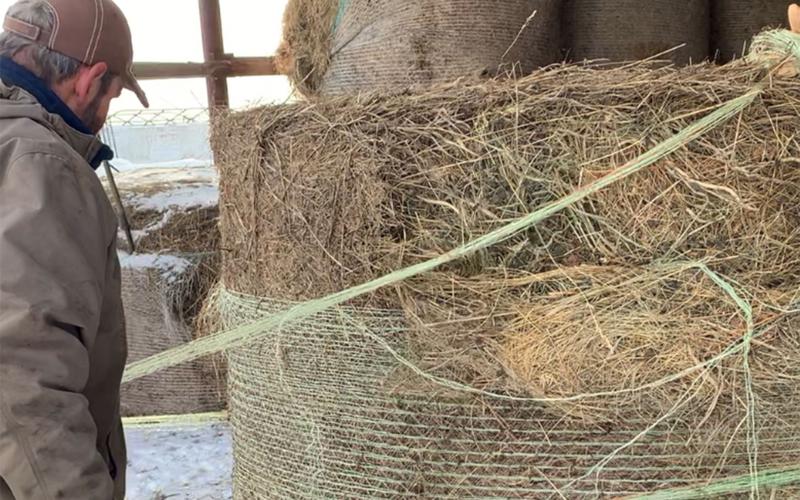
Net Wrap Removal Made Easy
I was approached by a cattle producer about efficiently removing net wrap. As many of you know, net wrap has its advantages as well as disadvantages, but is largely used as a hay binding material.

Running Around Like Crazy! It’s Ok!
Who remembers hearing their dad say, “You kids should go outside and run around and let off some steam?" This statement couldn’t be truer today than it was 20-40 years ago. Even if you live in town and don’t have direct access to nature, go visit a playground or park and spend time outdoors in a natural environment.
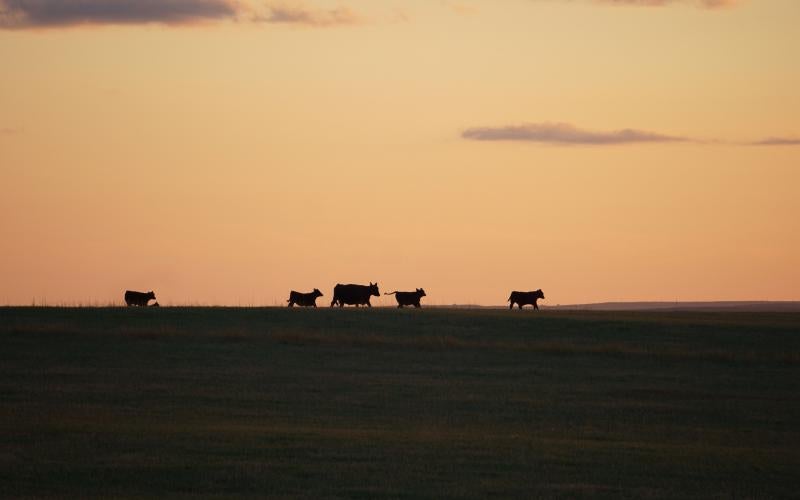
Using Increased Longevity to Reduce Annual Cow Cost
When evaluating annual cow cost, feed rises to the top of the list. Feed cost is an important area to consider; however, have you evaluated the cost of incorporating replacement heifers into the cowherd?
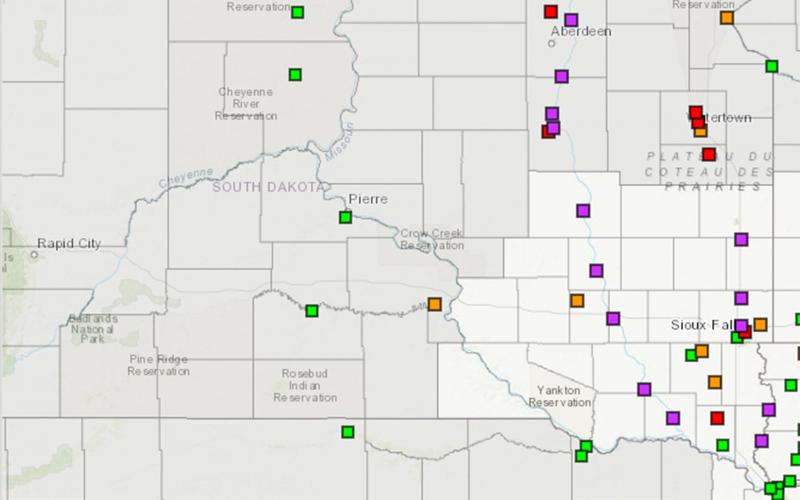
Get to Know Your Local Emergency Management Director
The warmer weather and spring migration this March have us all thinking of better days ahead. Unfortunately, it also has us thinking about flooding again this spring.
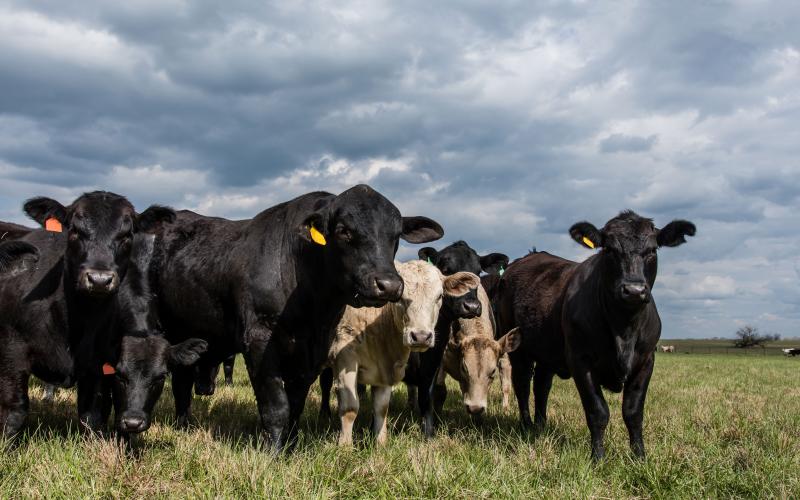
Ensure Herd Bulls Are Ready for the Upcoming Breeding
Percent of calf crop weaned on any operation is the single largest factor influencing profitability. Subsequently, herd bulls influence herd fertility more than any other single animal.

SDSU Extension Promotes Making Informed Food Choices for National Nutrition Month® 2020
October 18, 2021
As part of National Nutrition Month® 2020 in March, the SDSU Extension Food and Families Team encourages people to make informed food choices and develop healthy eating and physical activity habits.

SDSU Extension to Address Economic and Marketing Issues in Crop and Livestock Production During Ag Economic Dialogue Series
August 06, 2020
SDSU Extension will host monthly Ag Economic Dialogues throughout 2020 to assist farmers and ranchers in making the best and most profitable decisions for their operations.
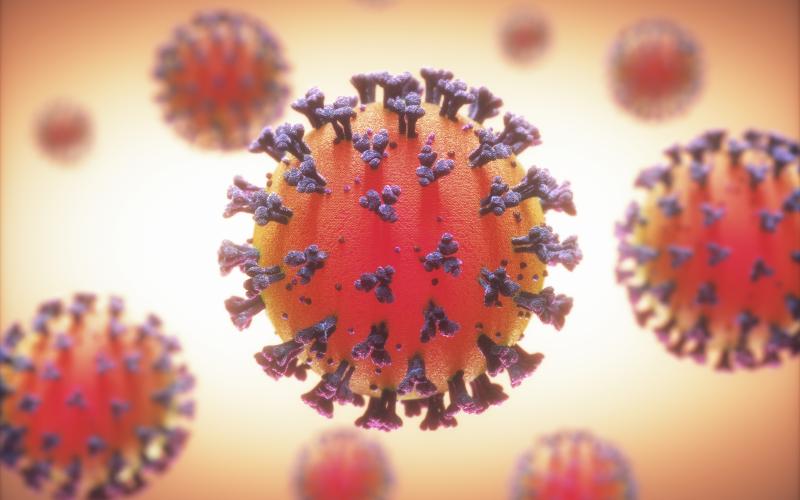
COVID-19 Response
SDSU Extension, under the guidance of South Dakota State University, continues to serve South Dakotans while balancing the safety of our staff and the public.

Self-Care for Youth and Families
Self-care is so essential for all individuals, young and old, to partake in regularly. Often, self-care gets placed on the back burners during our regular daily lives with our jam-packed schedules.