Search

Better Choices, Better Health®-SD Annual Report
Better Choices, Better Health-SD annual report on self-management workshops and participant outcomes.
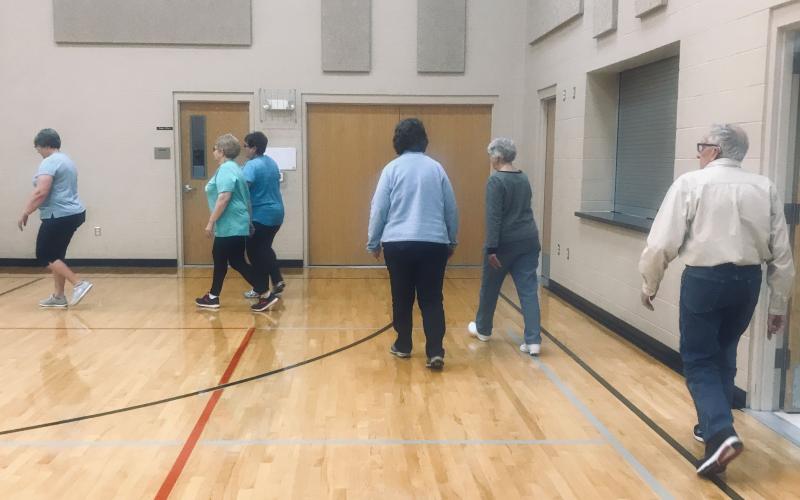
Physical Activity Programs Annual Report
Physical Activity programs annual report showing program enrollment and participation outcomes.

Drought Planning Resources
In this episode of Cattle HQ, we focus on taking stock of current growing conditions and making key operational adjustments to manage the cattle herd and forage resources in challenging weather conditions including drought-stricken areas of the Midwest.

SDSU Extension invites public to join Virtual 5K event
June 02, 2026
South Dakota State University Extension is inviting the public to join its virtual 5K, and to register for the 605 Igniting Change event.
How to Test Hay and Forage for Nitrate Levels Using Test Strips
Step-by-step instructions for how to complete Nitrate testing for forage and hay.
SDSU Extension welcomes new native plant field specialist
June 02, 2026
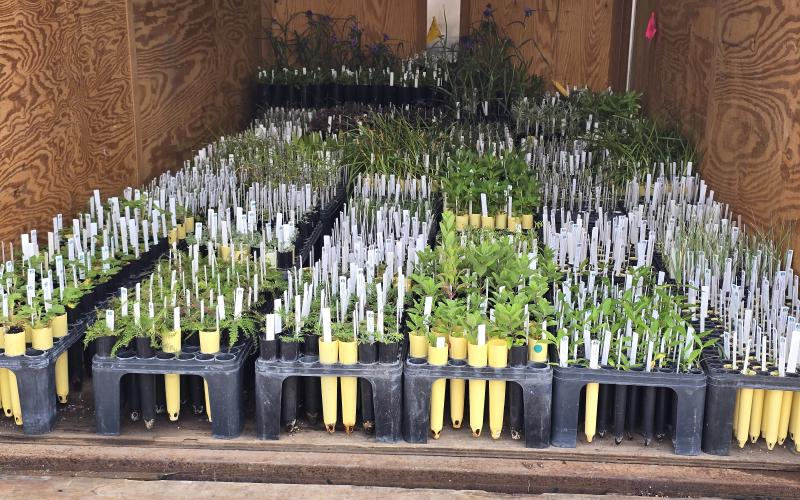
South Dakota State University Extension is pleased to welcome Allison Dollen as a new Native Plant Field Specialist.
Basis for Lighter-Weight Feeder Cattle
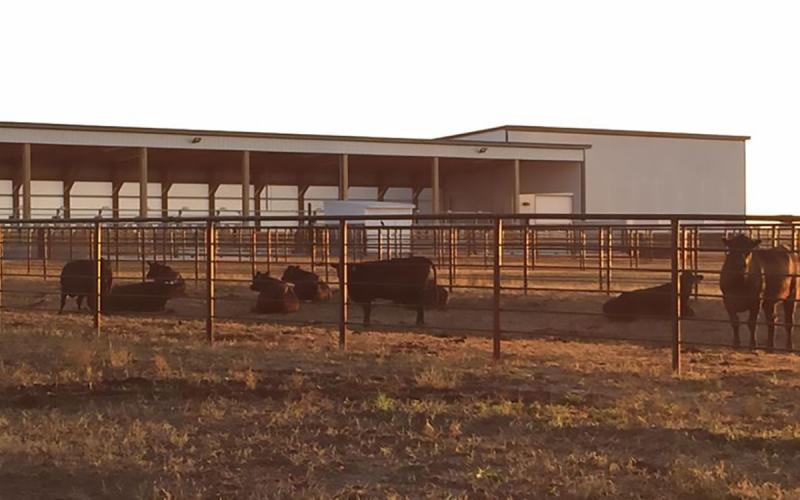
With higher overall price levels, the price differences across cattle of different weights have also increased. As a result, producers may want to revisit some pricing rules reflected in price slides and in basis levels for lighter-weight feeder cattle.

What is the “a” in Chlorophyll-a?
Have you ever heard the term "chlorophyll a" used in reference to a lake's blue-green algae content? From type "a" to type "f," learn how different types of chlorophyll impact lakes and aquatic environments.
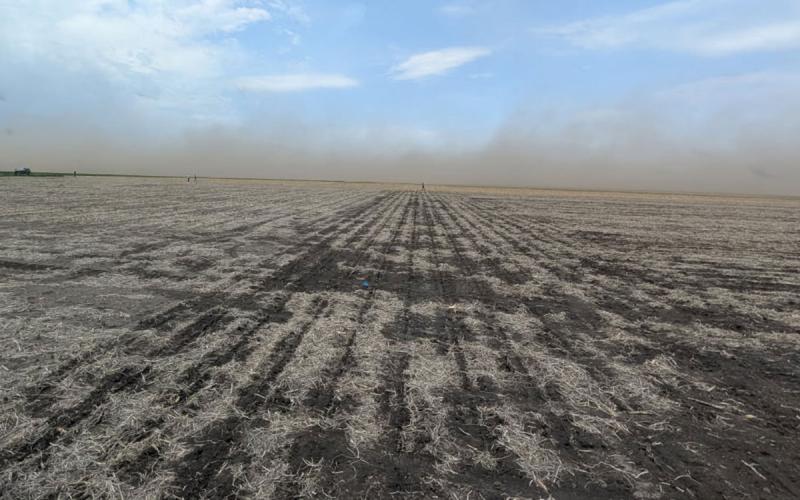
2026 Growing Season: Forecasted dry weather and the implications on postemergence herbicide activity
Weather cannot be controlled, but there are variables we can control to help increase the effectiveness of postemergence herbicides during drought conditions.
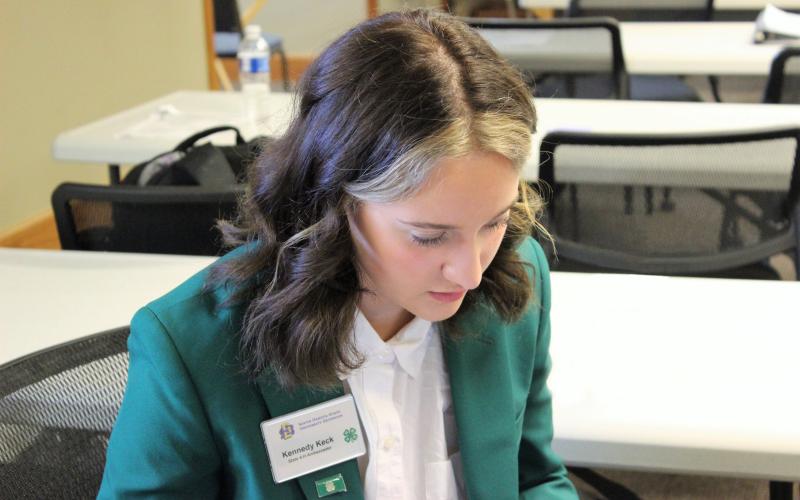
Become a State 4-H Ambassador
Curious about what it takes to become a South Dakota State 4-H Ambassador? View the position descriptions, term timeline, and application process.