Search
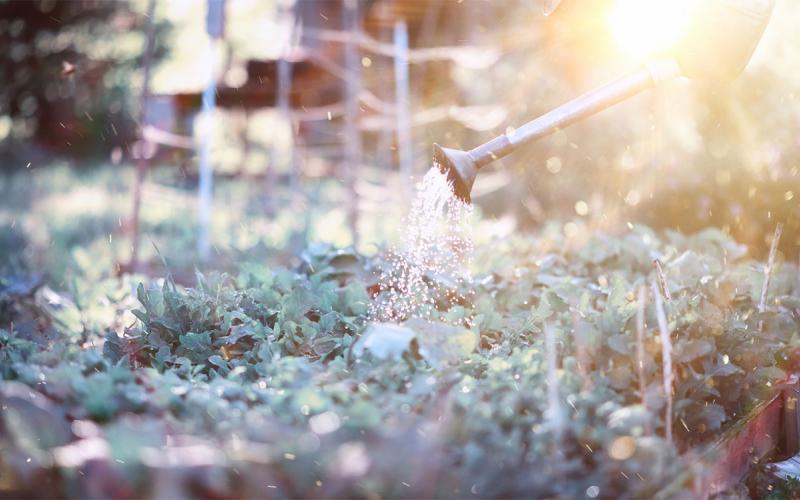
Protecting Plants From Heat Stress
When summer temperatures soar with no sign of a break, it is hard on humans and plants. Learn some tips that will help protect plants from heat stress, including soil protection, watering considerations and providing shade.

Shade-loving Perennials for South Dakota Gardens
Selecting beautiful perennial plants for a shaded location does not need to be challenging or leave you with boring options. Learn about some shade-loving perennials that are known for their fun foliage or attractive blooms.
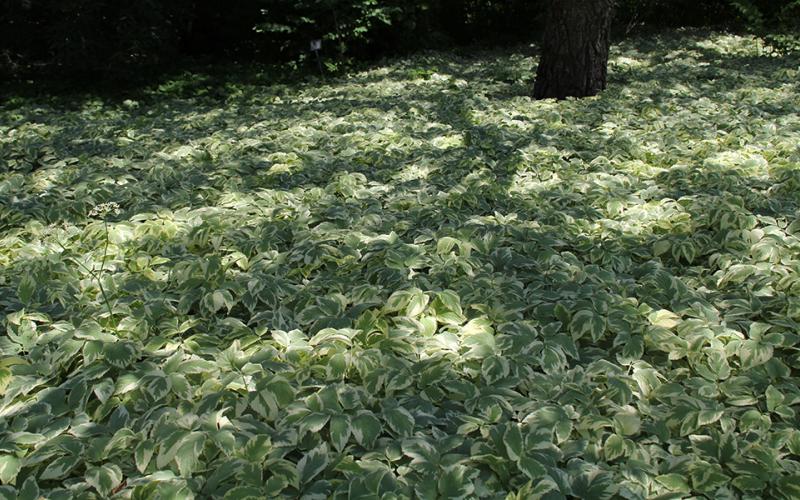
Perennial Ground Covers for Shady Gardens
Shady gardens can be filled with plants of various shapes and sizes reaching heights of several feet with eye-catching foliage or blooms. However, ground covers, which are usually twelve inches tall or shorter, are an important component of the shade garden.
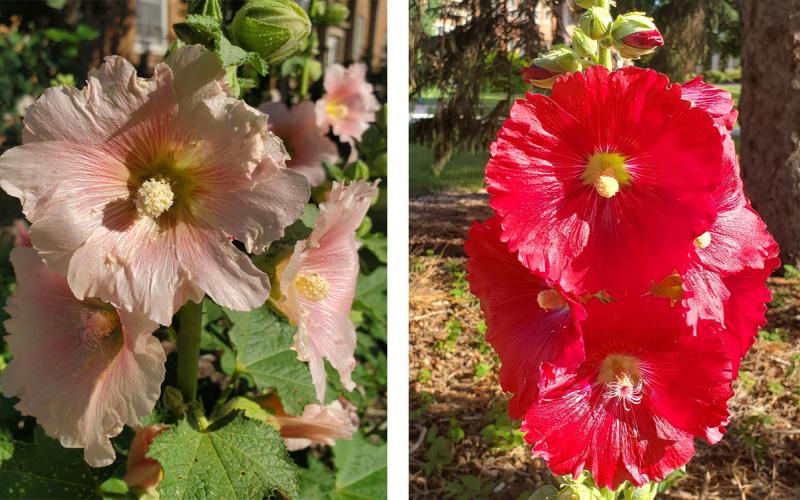
Growing Hollyhocks
Hollyhocks are a popular, old-fashioned plant that can be found along the foundations of many old homes and nestled in older farmsteads across the state. Learn some important considerations for selecting, planting and caring for them in your garden!
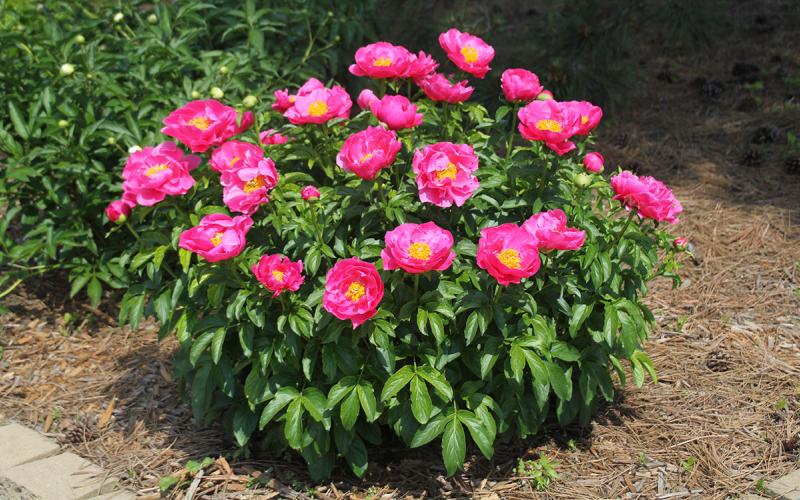
Peony: A Great Option for Early Blooms in South Dakota
Peonies are an early-summer blooming plant that thrives in South Dakota. Learn how to select, plant and care for peonies in your landscape this gardening season!
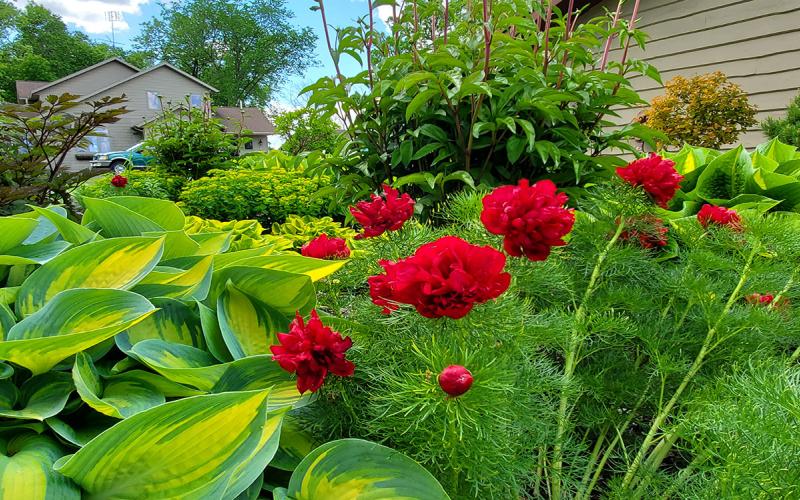
Dividing Perennials in the Spring
Many beautiful perennials are hardy to South Dakota. Dividing perennials is an easy, inexpensive and reliable way to propagate your favorite perennials and keep them growing for years.
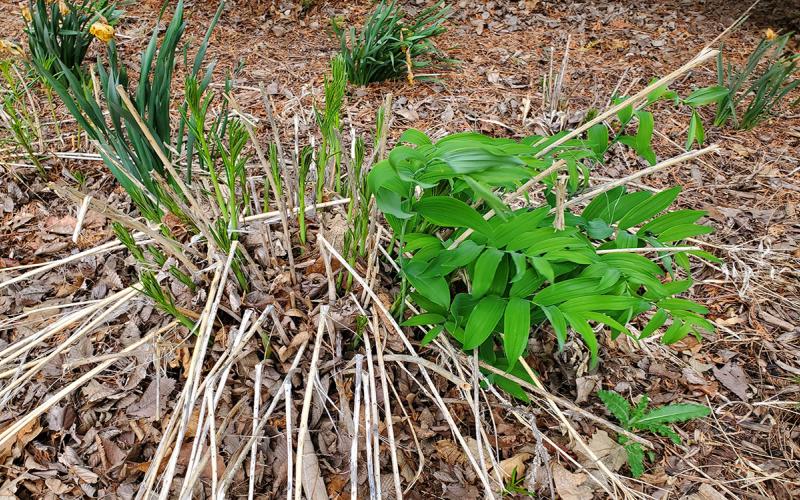
Spring Garden Maintenance
With a little planning and foresight, spring garden preparation can be a manageable task that allows you to enjoy working outside while waiting on warmer days for planting.
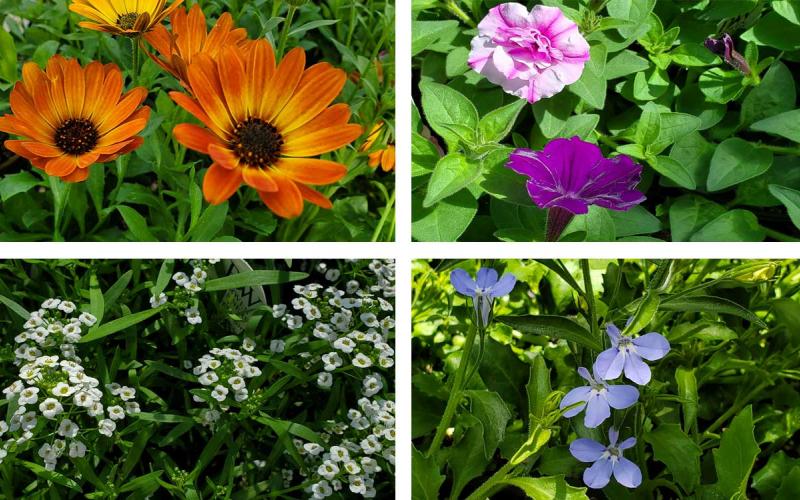
Cool-Season Flowering Annuals for the Garden
Flowering annuals that thrive in the cool weather can bring a gorgeous array of colors, shapes and sizes to your garden for early-season enjoyment! Learn about some great selections for South Dakota gardens.
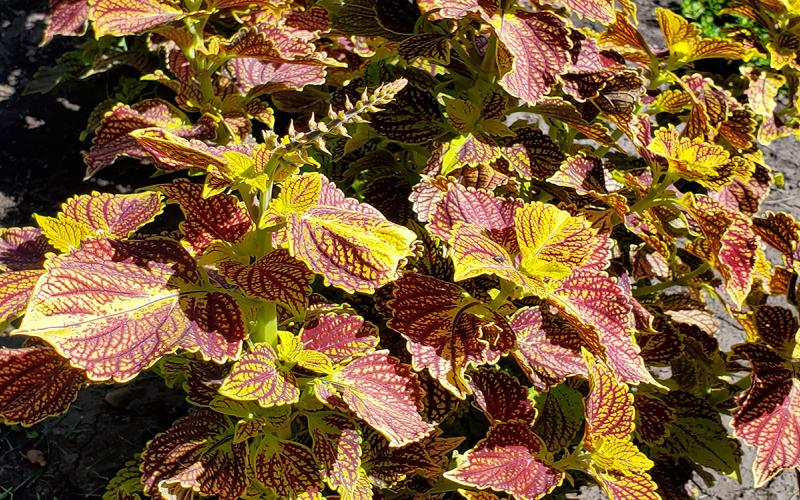
Coleus: A Color for Every Garden
Coleus have long been a great plant for gardens, generally grown as foliage plants that offer a huge variety of foliage colors, and can be grown in a variety of soils in part-shade to sun.
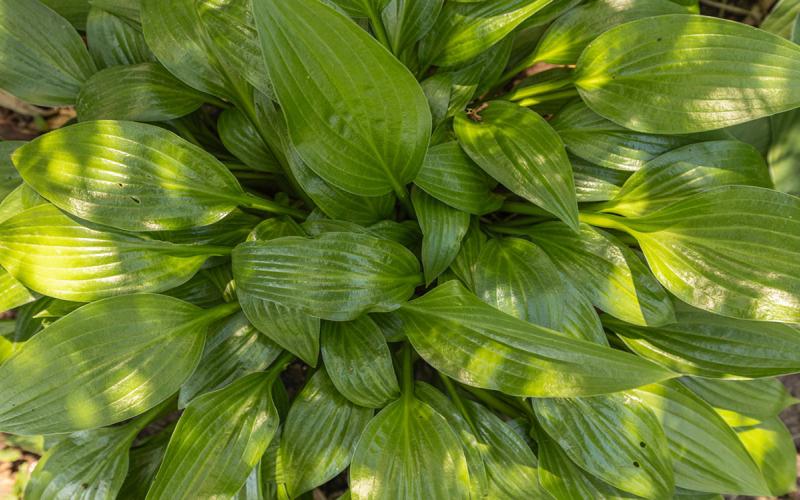
Hosta: A Shade-loving Perennial
Hostas, known for their foliage and love of shade, have developed into a coveted landscaping staple. Learn how to select, plant and grow a hosta that's right for your garden or landscape!