Search
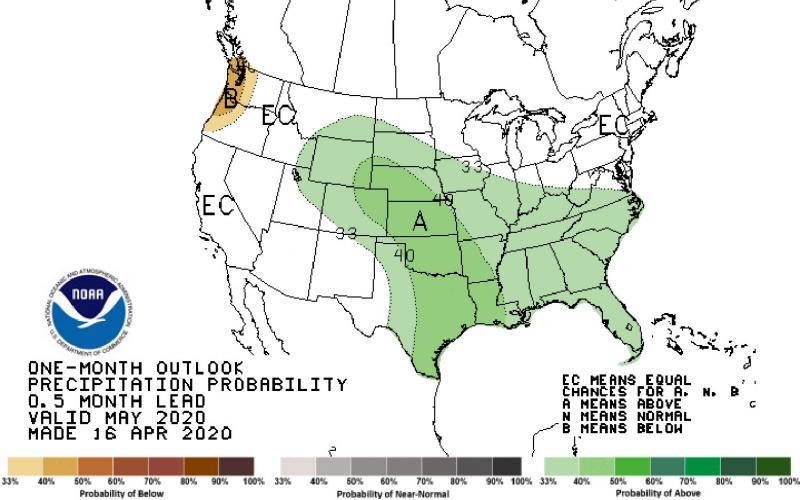
May 2020 Climate Outlook
On April 16, NOAA’s Climate Prediction Center released their climate outlook for May and the coming three-month period of May through July. There is a lot of uncertainty in the temperature outlook for the next one-to-three months in the Northern Plains Region.

Food Safety Scientist: A Dynamic STEM Educational Adventure
Real-life situations provide some of the greatest opportunities for students to learn how science impacts their life. Explore the common science and technological concepts in the development of a safe food supply within the classroom through the Food Safety Scientist Curriculum.
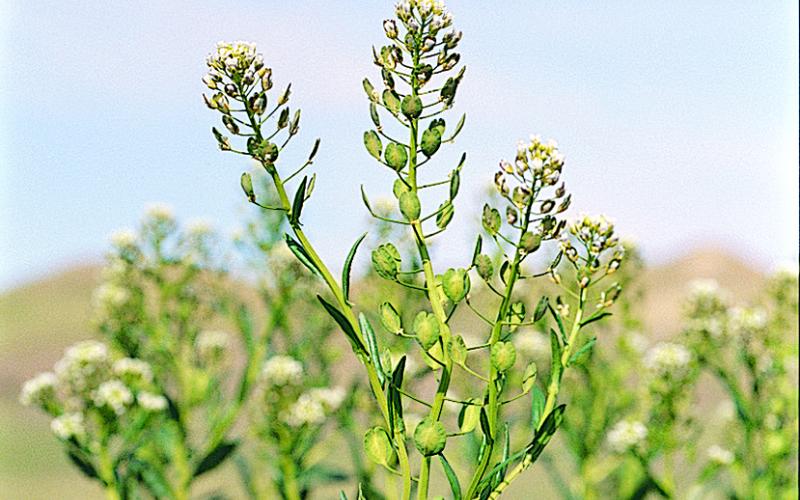
Toxic Plants in Dormant Pasture and Hay: Field Pennycress
Toxic plants negatively impact livestock by decreasing reproductive performance (breeding and calving rate), reducing weight gains, and causing animal health issues and death. Assessing and treating animals experiencing toxicity may increase operation costs through either veterinary intervention or death loss.

Rural Library Hotspot Lending Program
The SDSU Extension and AARP South Dakota Rural Library Hotspot Lending Program provides hotspot lending through rural public libraries, allowing community members to “check out the Internet” and bring connectivity to the comfort of their homes.

Red Fescue (Festuca rubra), A New Grass in the Black Hills: Friend or Foe?
Red fescue (Festuca rubra), a cool-season, dominate rhizomatous grass, has started showing up on disturbed ground near meadows and forests. While it is not a state noxious weed yet, its spread has raised questions from producers.

Teaching Kids To Be Grateful
Research shows that gratitude plays a big part in our well-being and can even reduce stress and depression over time. So how can we start teaching our children gratitude starting at birth?
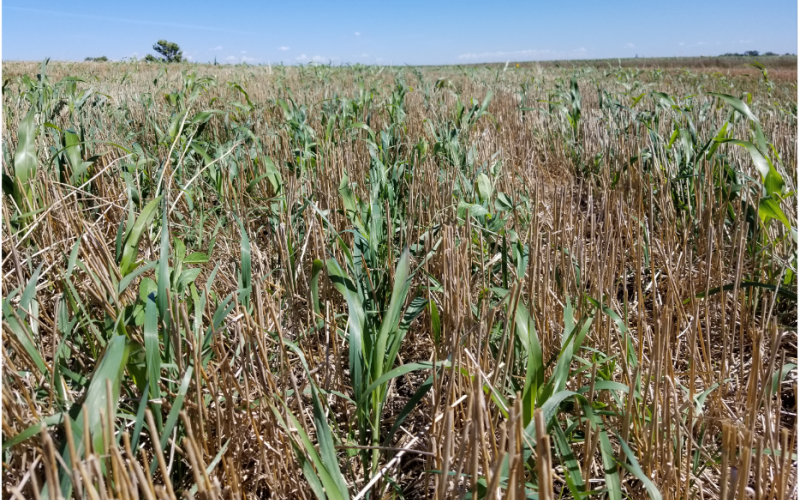
Online Cover Crop Decision Tool Now Available
September 10, 2020
As interest in cover crops has grown significantly among crop and livestock producers in the region, species selection and establishment times have remained a major topic.
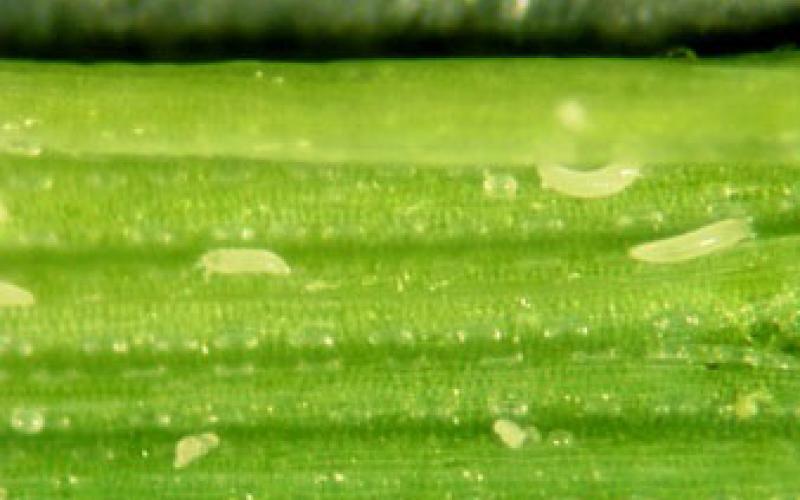
Which mite is it? Identifying the mites in wheat fields
In South Dakota, the most commonly encountered mites in wheat are wheat curl mite and brown wheat mite. In addition to feeding, wheat curl mites are vectors of Wheat streak mosaic virus. Brown wheat mites can build up large populations and injure wheat through feeding. There are other species of mites that may also be observed in wheat, but generally do not reach populations large enough to cause significant injury.
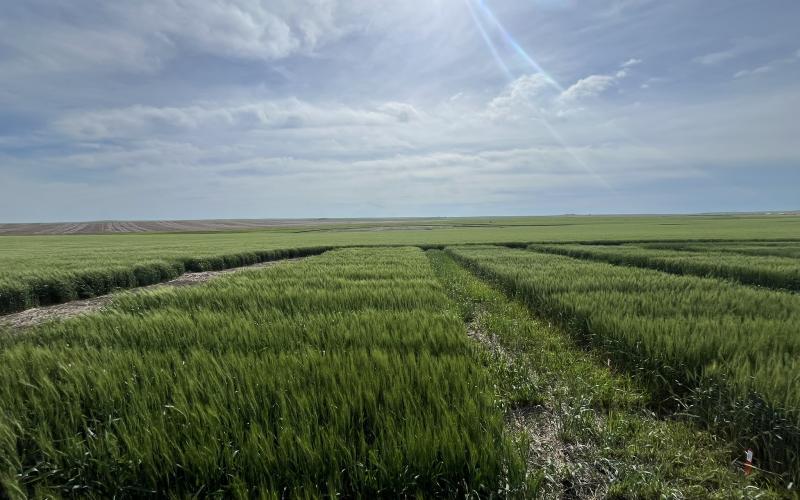
SDSU Extension invites public to free spring wheat field tours
June 22, 2026
South Dakota State University Extension invites all wheat producers, agronomists and agricultural professionals to attend the upcoming Spring Wheat Variety Tours on June 29, 2026.
Why Those Dandelions in Your Yard Aren’t So Bad
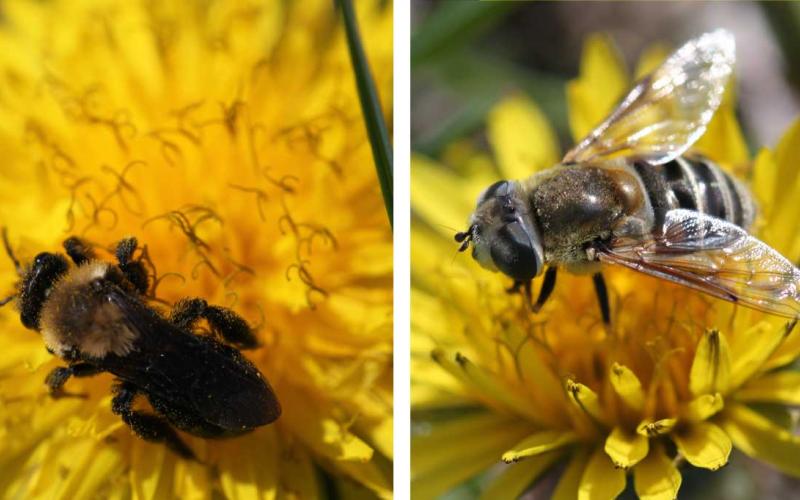
While research has shown that pollinators, specifically honey bees, can’t survive on dandelion pollen alone, this doesn’t mean that the dandelions aren’t still important for pollinators.