Search
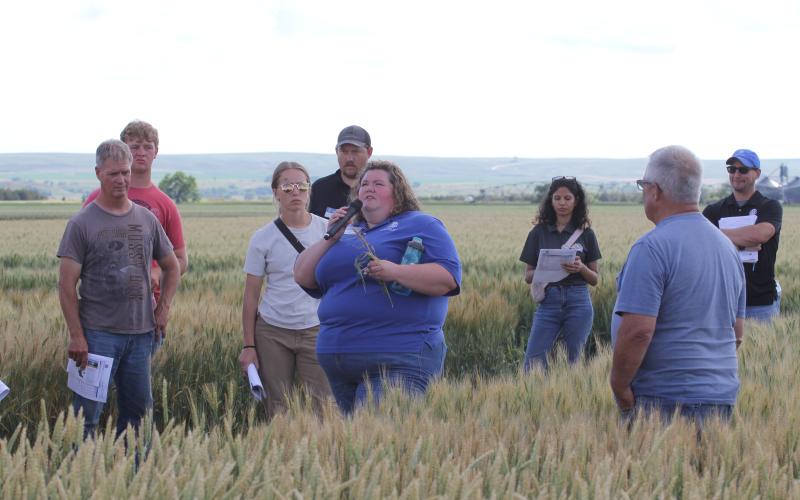
SDSU Extension programs help producers maintain healthy crops
August 26, 2025
Madalyn Shires puts on a lot of miles in the summer. As an assistant professor and SDSU Extension Plant Pathology Specialist, Shires traverses the state visiting research plots and educating crop producers on that research.
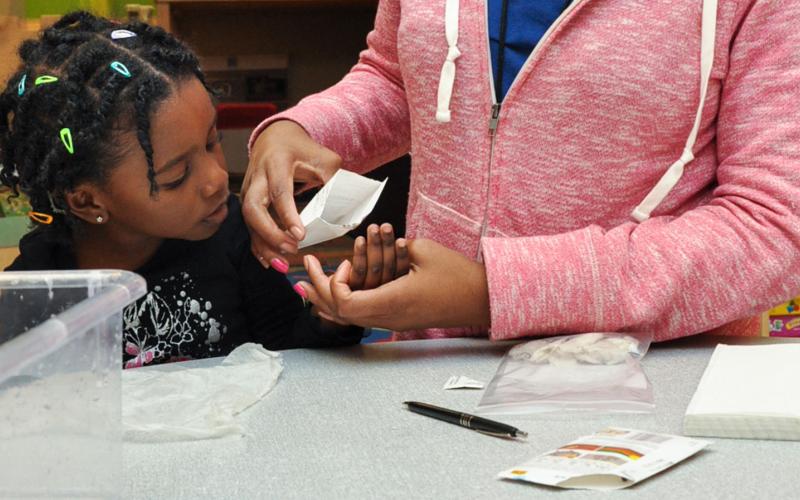
Plant the Seed
In this Grow Getters lesson, students will learn to identify the parts of a seed and the growth and development of a seed to a plant.

State 4-H Ambassador Program
The State 4-H Ambassador Program strives to develop the minds of young people by increasing and promoting leadership activities through 4-H.

Latest Recommended Planting Dates for Spring Wheat in South Dakota
A major question that producers have been asking is, “How late can wheat be planted in South Dakota without a significant reduction in yield potential?” See our latest recommendations for those considering late planting this May.

Garden and Yard Problems Solved: How to Submit Photos and Samples to Our Experts
Garden and lawn issues can sometimes be diagnosed by simply looking at a photo. Photos give our Extension experts a place to start, and providing them with the best possible photo can help the process.
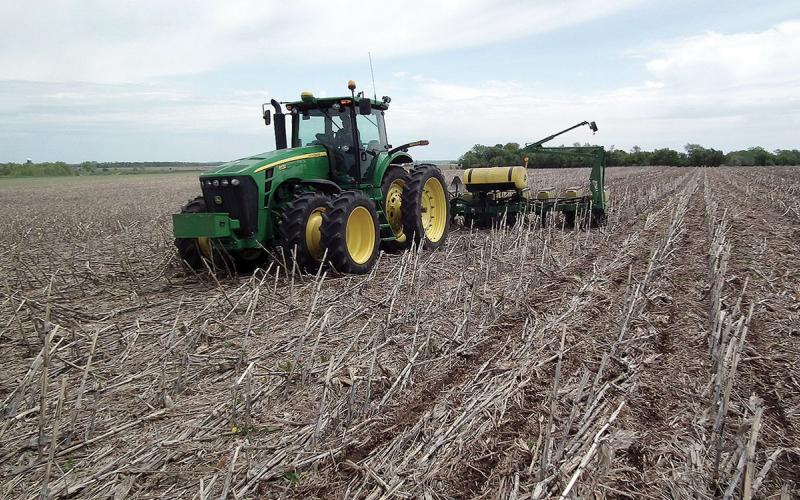
SDSU Extension collecting custom farming rates through new survey
March 16, 2026
South Dakota State University Extension is collecting data on the state’s custom farming rates and inviting producers to participate.
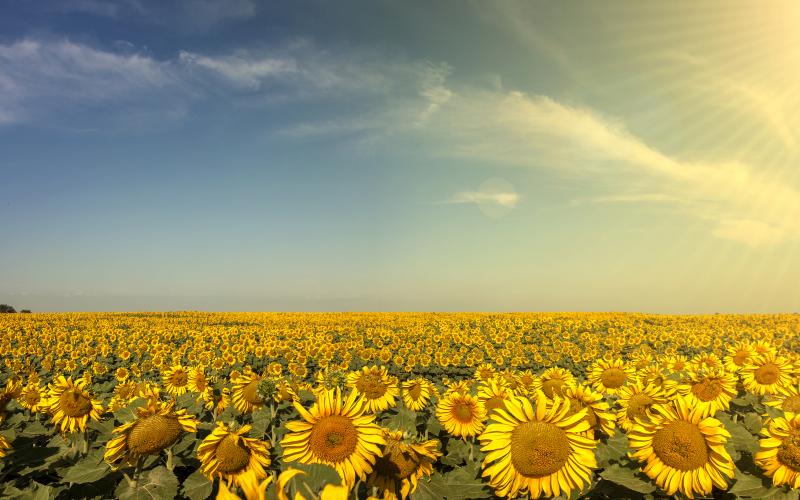
Sunflower & Oilseeds
There are times when sunflower producers need unbiased answers. That’s what we are here for.
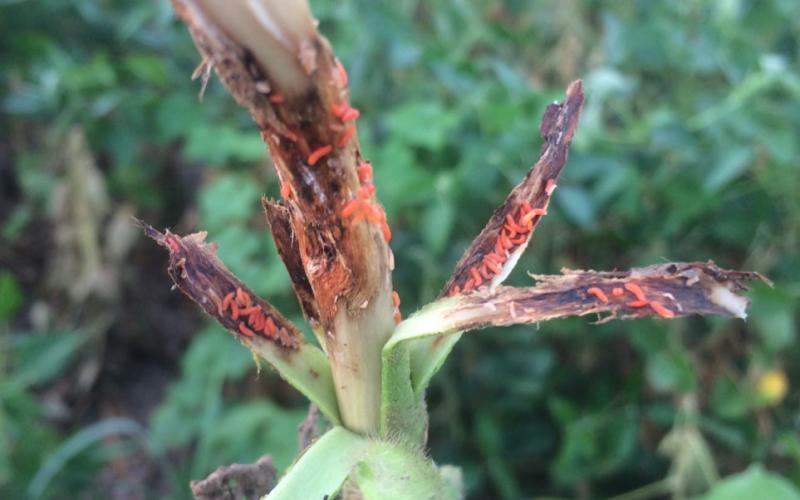
Soybean Gall Midge: What We Know So Far
In 2018, South Dakota soybean farmers were faced with a new soybean insect pest. What started with dying field borders ultimately ended with yield losses throughout many fields on the Eastern side of the state. We determined that the pest in question was the soybean gall midge.

Blooming Prairies: Native Forb Research
This episode of Cattle HQ, Kaylee Wheeler from South Dakota State University Extension discusses research efforts focused around native forbs on South Dakota rangelands.
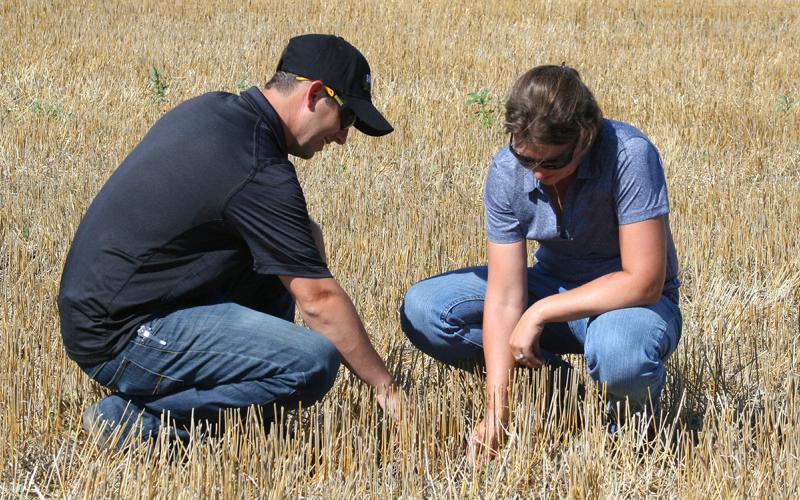
Managing Cover Crops in Moisture Deficits
Planting cover crops after small grain harvest can be risky in central South Dakota. The decision to incorporate them into an annual cropping system should consider historical precipitation, soil water holding capacity, and soil moisture at time of planting.