Search

Update on Chlorpyrifos Use in South Dakota
As of June 30, 2025, the labeled uses for chlorpyrifos products for food and feed are limited to alfalfa, soybean, and wheat in South Dakota. Chlorpyrifos can no longer be used to treat sunflowers.
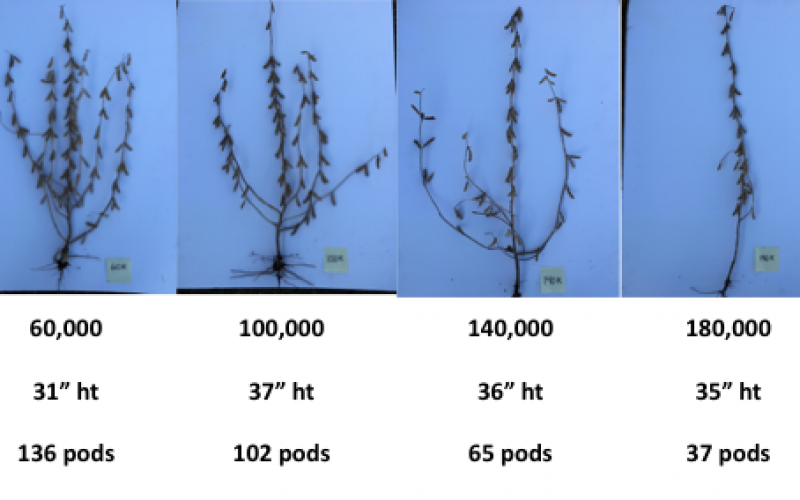
Soybean Planting Population: A Review
There have been reports in recent years that agronomists in states such as Iowa, Nebraska and Wisconsin have observed success when reducing soybean planting populations.

SDSU Extension welcomes new Weed Ecology Field Specialist
February 28, 2025
In his role, Reicks will provide guidance for weed management in specialty crops, pastures and rangelands, organic systems, lawns/gardens and public right-of-ways. He is based in Brookings.
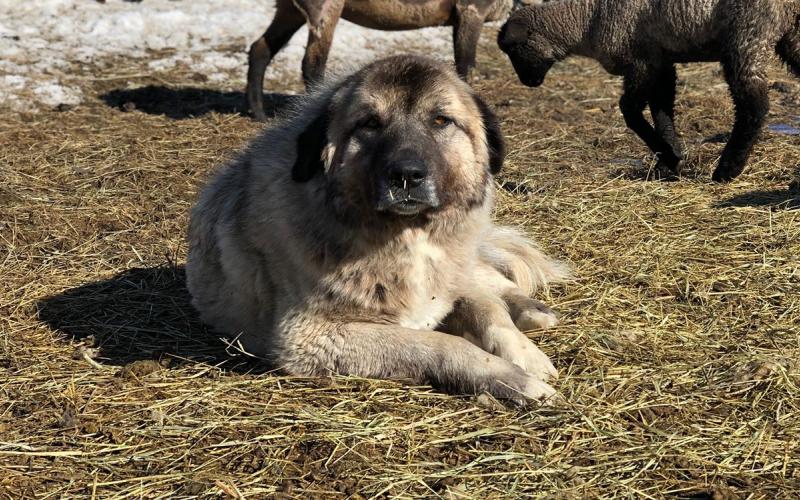
Livestock Guardian Dogs for Improved Protection
Most sheep producers will use a variety of methods to protect their flock, but one that has increased interest is the use of livestock guardian dogs.
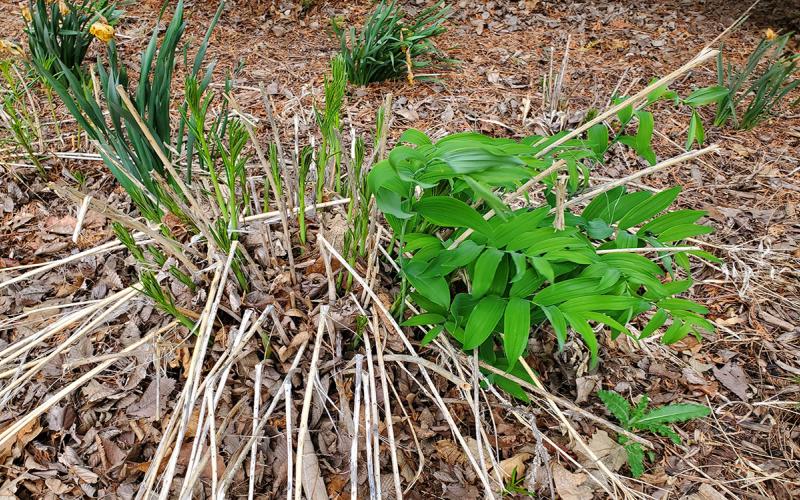
Spring Garden Maintenance
With a little planning and foresight, spring garden preparation can be a manageable task that allows you to enjoy working outside while waiting on warmer days for planting.

SDSU Extension Announces Interim Leadership Roles
September 24, 2025
The South Dakota State University College of Agriculture, Food and Environmental Sciences has announced interim roles for several SDSU Extension leadership positions.
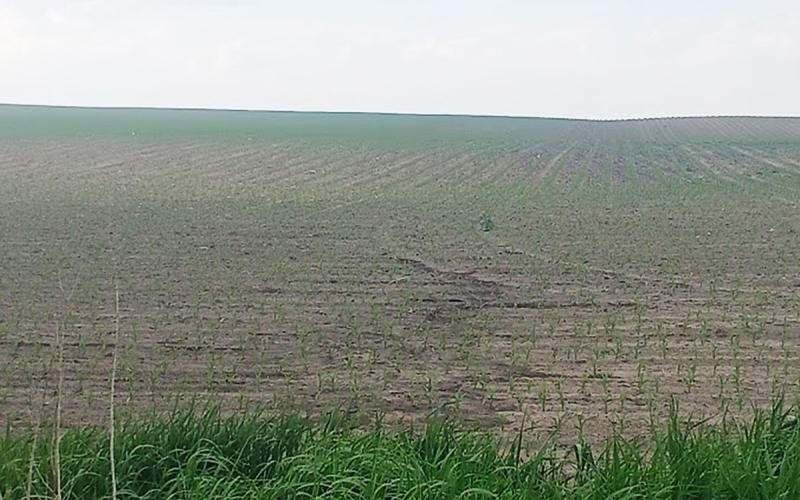
Soil Erosion Mitigation During Heavy Rainfall Events
Adopting soil health practices that minimize disturbance, increase surface cover and organic matter content, and keep roots growing in the soil can help to increase soil infiltration rates and reduce destruction of soil aggregates from heavy rain.
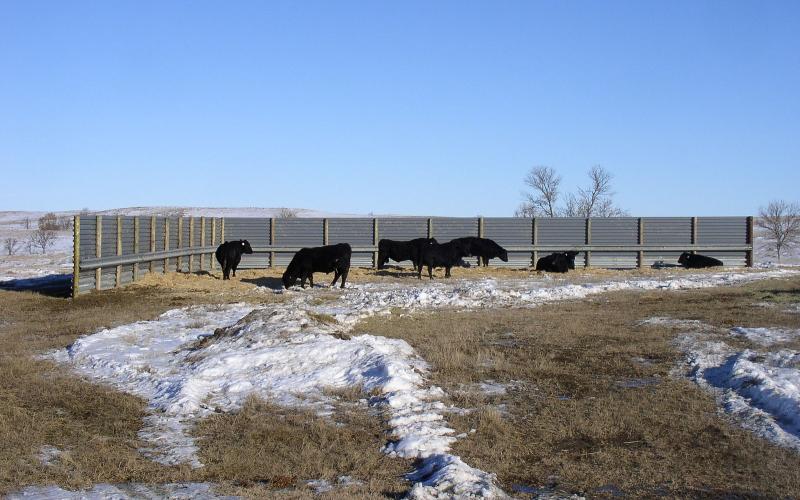
Guidelines for Livestock Windbreaks
Livestock grazing open crop residue fields or large pastures can be left exposed during extreme bouts of cold. Ensuring that cattle and any other livestock being pastured in exposed areas have adequate access to shelter to escape the wind and cold is especially important.
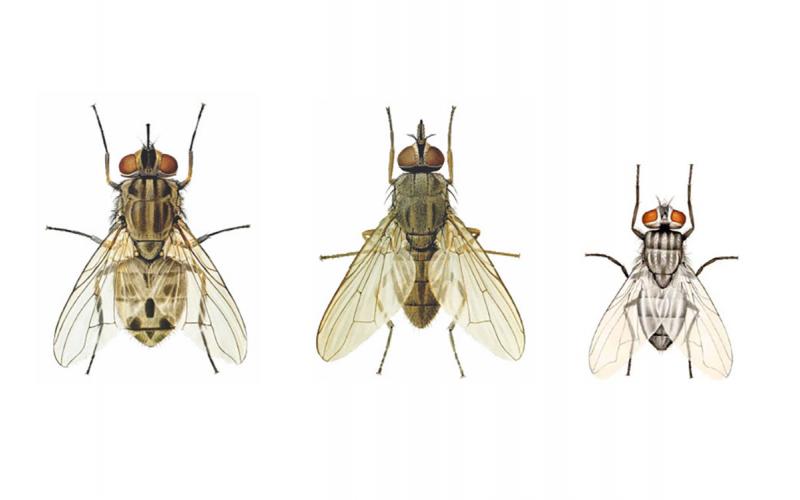
Fly Control Considerations for Cattle on Pasture
Along with being irritants to livestock, horn flies, face flies and stable flies are economically important to producers due to their negative impacts on milk production and calf weaning weights.