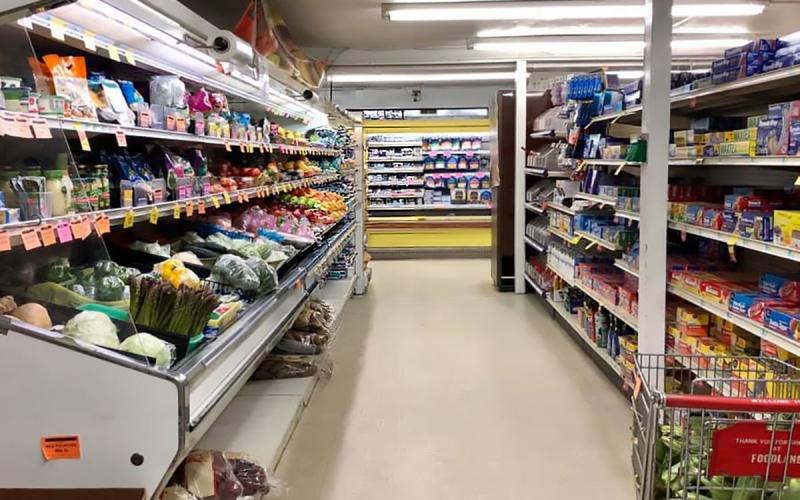
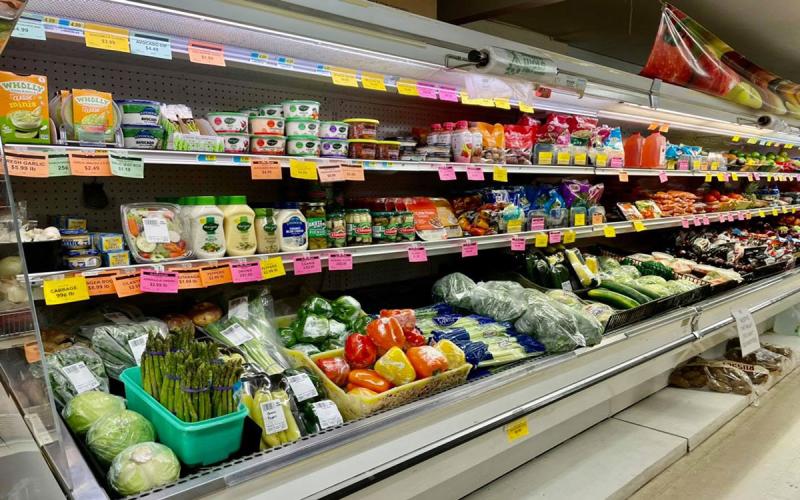
Throughout rural South Dakota, grocery stores do far more than provide access to food. They create jobs, generate local tax revenue, support community activities, and serve as gathering places where neighbors connect. Yet many independent grocers face significant challenges, including competition from dollar stores, population decline, and ownership transition issues. While these challenges are real, research suggests there are steps communities and store owners can take to help keep local grocery stores operating for years to come.
One of the most pressing concerns facing rural grocery stores is ownership succession. Many independent grocers have operated their businesses for decades, often after taking over stores that were previously owned by parents or other relatives. As these owners approach retirement, many do not have family members willing or able to continue the business.
Research shows that a large percentage of rural grocery store owners do not expect to own their stores ten years from now. However, many have not yet developed plans for what will happen when they leave the business. Without a transition plan, communities risk losing an important local institution.
Transition planning can help provide a path forward. Several options exist depending on the needs of the owner and the community. These may include family succession, employee ownership, cooperative ownership models, or the sale of the business to an outside entrepreneur. While every situation is different, planning for the future before retirement becomes urgent can improve the chances that a grocery store remains open under new ownership.
While succession planning focuses on keeping a store open, it can also create opportunities to strengthen the business for the future. A change in ownership can create opportunities to bring new ideas into an existing business. New owners may identify ways to modernize operations, improve efficiency, or enhance customer experience. Stores that focus on the shopping experience can better position themselves to serve their communities.
Many successful stores differentiate themselves by providing services and products that are not easily found elsewhere. A deli, a strong meat department, or specialty bakery items can help create a unique shopping experience. These offerings provide customers with additional reasons to shop locally and can strengthen customer loyalty.
Local products can also play an important role. Research has found that many successful grocery stores work with local farmers as suppliers for fresh produce. By incorporating locally produced foods and agricultural products, stores can strengthen connections between consumers and local producers while offering products that may not be available through larger retailers.
Community support is another critical factor in the long-term sustainability of rural grocery stores. While price is often a consideration for consumers, research suggests that many people do not fully account for the costs associated with traveling to shop elsewhere. Fuel expenses, vehicle wear, and travel time can reduce or even eliminate the savings gained from purchasing goods outside the community.
When residents choose to shop locally, more dollars remain in the community. Those dollars help support businesses, jobs, and services that residents rely on every day. A grocery store cannot remain open without customers, and long-term sustainability often depends on consistent local patronage.
The challenges facing rural grocery stores did not develop overnight, and there is no single solution that works for every community. Competition from dollar stores, smaller customer bases, and ownership transition concerns will continue to affect many rural grocers. However, research suggests that planning, innovation, and community engagement can make a difference.
Throughout this series, one theme has remained constant: rural grocery stores are about much more than food. They serve as employers, economic drivers, gathering places, and providers of healthy food. Research has documented both the challenges these businesses face and the consequences communities experience when they close. It has also identified strategies that can strengthen their future, including succession planning, local sourcing, enhanced customer experiences, and consistent local support. Preserving rural grocery stores helps preserve the economic vitality and community connections that make rural South Dakota strong.
Sources
- Hoelting, Joyce. The Future of Rural Grocery Stores. University of Minnesota Extension, University of Minnesota. Accessed 24 July 2026.
- Hodur, Nancy. A Roadmap to Success for Rural Grocers: The North Dakota Rural Access Distribution (RAD) Cooperative's Journey to Sustainable Food Access for Residents in Walsh County, North Dakota. Center for Social Research, North Dakota State University, Feb. 2025.
- Cramer, Rachel. Small Town Grocery Stores Face Unique Challenges. Some Midwest States Are Trying to Help.; IPM Newsroom, 11 Mar. 2025. Accessed 8 July 2026.
- Estes, Hanna K., et al. The Rural Brain Drain and Choice of Major: Evidence from One Land Grant University. NACTA Journal, vol. 60, no. 1a, 2016, pp. 32–39. Accessed 17 July 2026.
- Bailey, Jon M. Rural Grocery Stores: Importance and Challenges. Center for Rural Affairs, Oct. 2010. Accessed 8 July 2026.