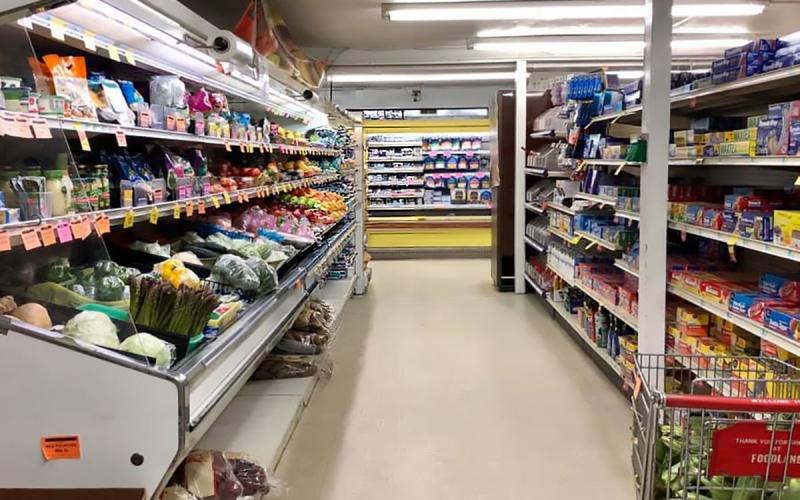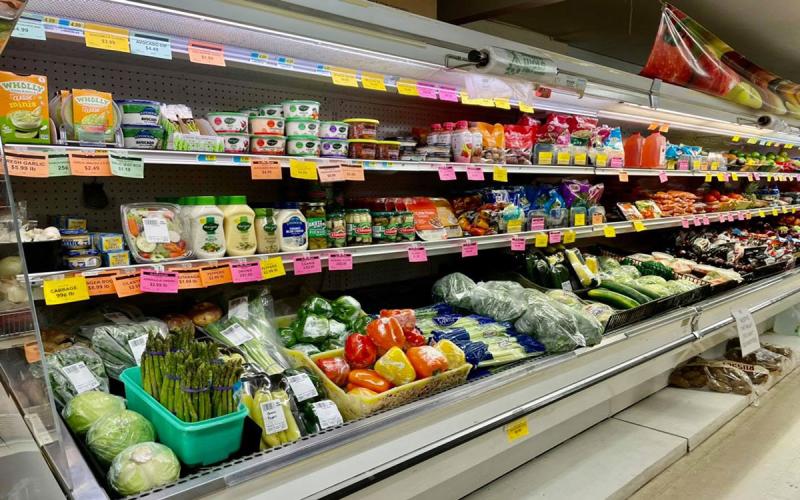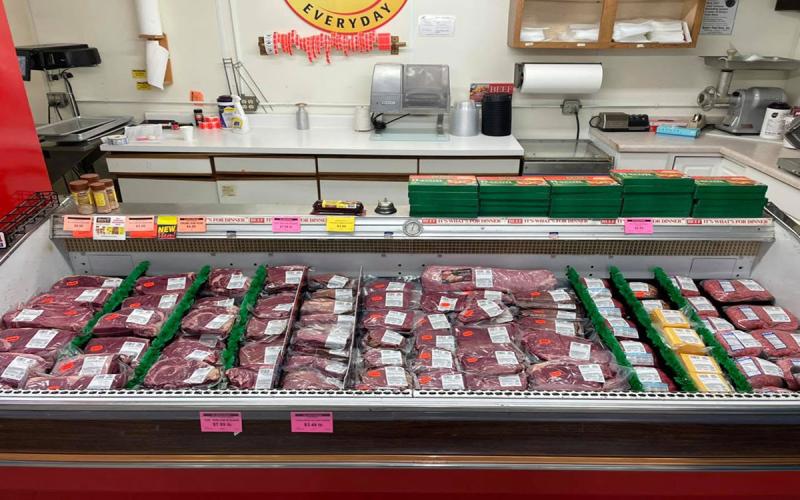
When a rural community loses its grocery store, the impact extends far beyond the loss of a business. While residents may still be able to purchase some household necessities elsewhere, the loss of a local grocery store can affect food access, community well-being, and economic vitality. Research suggests that grocery store closures can contribute to the expansion of food deserts, reduce access to healthy foods, and place additional burdens on families who already face limited resources.
Food access is often one of the most immediate concerns following a grocery store closure. Rural communities already face challenges related to distance and transportation, and the loss of a grocery store can make those challenges even greater. While dollar stores may provide convenient access to basic household goods, they rarely offer the variety of fresh and nutritious foods available at a grocery store.
The loss of grocery stores in rural areas contributes to the increase in food deserts. Food deserts have existed in rural parts of the country for years, and South Dakota is no exception. A food desert is generally defined as an area where residents have limited access to affordable and nutritious food.
In the heart of the United States, where much of the nation's food is grown and raised, food deserts are growing, which leaves many rural residents to face declining access to nutritious food options. Despite their proximity to agricultural production, access to fresh foods often depends on grocery stores and regional distribution systems rather than local production. Research indicates that rural food access challenges stem from both limited product availability and the way food is delivered to communities. Because many rural grocery stores rely on regional distribution networks, disruptions can lead to delayed deliveries, higher prices, and reduced food quality. In addition, rural grocery stores often offer fewer food choices and charge higher prices than larger retailers, creating further barriers for households seeking affordable, healthy food options.
These challenges can be especially significant for working families, older adults, and individuals with disabilities. Many rural residents cannot easily travel to neighboring communities to purchase groceries. For individuals living on fixed incomes or those without reliable transportation, even a relatively short trip can become a major obstacle. What might be a simple shopping trip for some households can become a significant burden for others.
These issues are often most severe for low-income households. While South Dakota's poverty rate has declined in recent years, thousands of rural residents still live at or below the poverty line. In some rural communities, poverty rates remain particularly high. These conditions make food access even more important when considering the health and well-being of rural residents.
Households with incomes below 185% of the federal poverty threshold face the highest risk of food insecurity. Food insecurity refers to the limited or uncertain availability of nutritionally adequate and safe foods, or the uncertain ability to acquire acceptable foods in socially acceptable ways. For families already struggling to balance household expenses, the loss of a local grocery store can create additional barriers to accessing healthy food.
Many families understand what a healthy and balanced diet should look like but putting that knowledge into practice can be difficult when options are limited. Research has found that many families struggle to provide meals that are filling, affordable, healthy, and able to meet the needs of everyone in the household. When healthy foods are not readily available, some residents may rely more heavily on convenience stores or dollar stores for their food purchases. While these stores may provide access to some food items, they typically offer fewer healthy options than a full-service grocery store.
Access to a local grocery store can significantly improve the availability of nutritious foods for residents. When grocery stores remain open, individuals and families have more consistent access to the foods needed to support healthy diets and overall well-being. For many communities, maintaining a local grocery store is an important part of promoting long-term health.
The impact of a grocery store closure extends beyond food access. Grocery stores often function as anchor businesses within rural communities. They create jobs, generate tax revenue, and support other local businesses. When a grocery store closes, communities can experience job losses and increased economic leakage as residents spend their money in neighboring towns rather than locally.
A grocery store can also influence a community's ability to attract and retain residents and businesses. Beyond its economic role, the local grocery store serves as a gathering place where people connect with neighbors and maintain community relationships. The local grocery store is not only a provider of food, but also an economic driver, employer, community builder, and meeting place. Research suggests that long-term closures can place communities on a path toward further depopulation and economic decline. The effects are felt not only at the checkout lane but throughout the community itself.
In the end, a rural grocery store provides much more than access to food. It supports healthy diets, strengthens the local economy, creates jobs, and serves as a place where community connections are built. When a grocery store closes, the loss reaches far beyond the building itself, touching nearly every aspect of community life.
In the next article, we'll look at what communities can do to help save their grocery stores.
Sources
- Ver Ploeg, Michele. Access to Affordable, Nutritious Food Is Limited in Food Deserts. Amber Waves, U.S. Department of Agriculture, Economic Research Service, Mar. 2010.
- Morton, Lois W., and Blanchard, Troy C. 2007. “Starved for Access: Life in Rural America’s Food Deserts.” Rural Realities, Volume 1, Issue 4.
- Byker Shanks, Carmen, et al. Food Insecurity in the Rural United States: An Examination of Struggles and Coping Mechanisms to Feed a Family among Households with a Low-Income. Nutrients, vol. 14, no. 24, 2022, p. 5250. MDPI. Accessed 24 July 2026.
- Health Disparities Data Portal. National Institute on Minority Health and Health Disparities, U.S. Department of Health and Human Services. Accessed 24 July 2026.
- Measurement. Food Security in the U.S., Economic Research Service, U.S. Department of Agriculture. Accessed 24 July 2026.
- Hoelting, Joyce. The Future of Rural Grocery Stores. University of Minnesota Extension, University of Minnesota. Accessed 24 July 2026.
- Hodur, Nancy. A Roadmap to Success for Rural Grocers: The North Dakota Rural Access Distribution (RAD) Cooperative's Journey to Sustainable Food Access for Residents in Walsh County, North Dakota. Center for Social Research, North Dakota State University, Feb. 2025.
- Bailey, Jon M. Rural Grocery Stores: Importance and Challenges. Center for Rural Affairs, Oct. 2010. Accessed 8 July 2026.
- Store Closures. Rural Grocery Initiative, Center for Engagement and Community Development, Kansas State University. Accessed 8 July 2026.