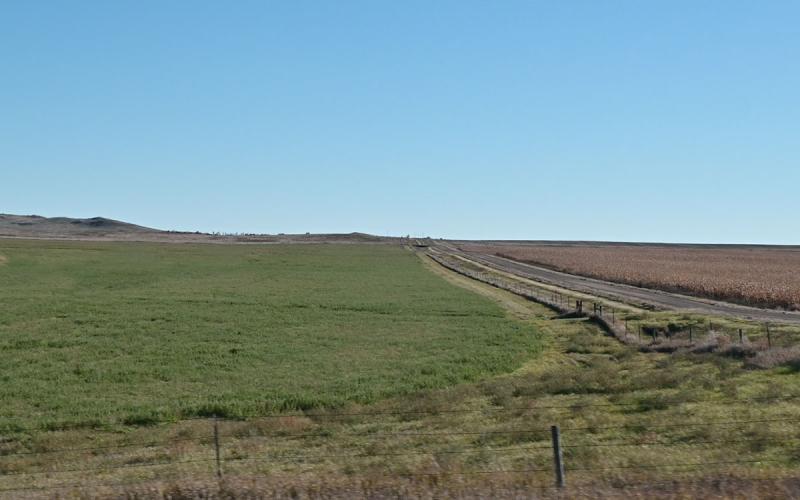
Alfalfa is a highly nutritious forage option that consistently delivers high values of crude protein, digestibility, and the ability to support animal performance at any stage, making it a desirable forage resource for most livestock operations. Most commonly, alfalfa is used as a harvested feed resource, but when strategically managed, it can make a great grazing opportunity for producers.
While extended grazing days can present many added benefits for producers, there are some challenges with grazing alfalfa, such as potential for frothy bloat and managing the longevity of the stand, that need to be considered.
Nutritional Value
Alfalfa is an excellent source of crude protein and other digestible nutrients. Harvested alfalfa is an especially useful source for supplementing classes of livestock with elevated nutrient demands such as growing calves, first-calf heifers, and lactating cows. It can also be one of the more economical forage resources for producers across South Dakota.
As with other forage species, the nutritive quality of alfalfa changes as the plant matures. Fiber content increases as the plant advances toward maturity, causing quality and digestibility to decline. Therefore, producers interested in grazing alfalfa need to balance forage quality and livestock nutritive value with plant growth and stand persistence. Grazing too early or too vigorously can limit the plant’s ability to renew root reserves and prevent recovery from taking place, potentially decreasing lifetime productivity.
Bloat Risks and Livestock Management
The biggest concern of livestock producers when grazing alfalfa is the risk of frothy bloat. Bloat risk tends to be highest when grazing lush, young, leafy alfalfa. The risk of bloat increases when grazing wet alfalfa after a heavy dew or rainfall event. However, despite these risks, livestock can still safely graze alfalfa.
One strategy to reduce bloat potential is to avoid turning cattle out onto lush alfalfa when they are extremely hungry. Providing access to a dry alfalfa hay bale or alternative forage source before turnout can slow intake. One producer with experience grazing alfalfa has noticed that cattle often naturally incorporate alfalfa into their diet slowly, typically grazing any grass that might be surrounding the alfalfa field prior to grazing alfalfa. Turning cattle out onto fully dry alfalfa in the late bloom stage can also reduce bloat risk. Because that plant is more mature, it has greater fiber and lignin content which decreases the speed of ruminal breakdown, reducing bloat risk. However, alfalfa in the late bloom stage is less nutritious than vegetative alfalfa.
Some producers that have grazed different classes of cattle on alfalfa have noticed that bloat risk appears to be somewhat greater in growing calves compared to mature cows. Because alfalfa is high in protein, grazing it before breeding may negatively affect conception rates. When beef cows experience elevated protein levels, they often have to mobilize energy reserves to degrade that protein. This can result in cows experiencing an energy imbalance which can have negative consequences on reproductive performance.
Managing the Alfalfa Stand
Overutilizing alfalfa can reduce regrowth potential and weaken the stand over time. Grazing management practices such as rotational and strip grazing can allow producers to manage forage utilization, ensuring stands have adequate periods of rest and recovery. Additionally, leaving adequate residual forage rather than grazing directly to the soil surface can increase the plant’s ability to recover following a grazing or harvesting event.
Stand age is another consideration producers should make when determining when and whether to graze alfalfa. Older stands that need to be reestablished require less careful grazing management compared to younger stands and, therefore, may be a suitable candidate for grazing if producers are hesitant and want a trial period.
Conclusion
While it does require careful management, utilizing alfalfa for additional grazing days can bring tremendous benefit to livestock operations. Determining whether to graze or mechanically harvest alfalfa should be based on an operation’s resources, yield, and input costs. In a year like the one we are currently experiencing, when a dry growing season has reduced production and fuel and equipment costs are high, producers may find it advantageous to graze alfalfa rather than mechanically harvest it. Regardless, producers should consider bloat risks, stand health and management, and grazing practices when considering grazing alfalfa.