Key Points
- Sprouted grains can be fed to cattle with little to know loss in feed value, provided there are not other issues such as mold or mycotoxins.
- Monitor sprouted grains for mold damage or mycotoxin contamination
- Sprouted grains can be ensiled as high-moisture grains but if that is not an option, sprouted grains should be rapidly dried to stop the germination process and allow for safe storage.
Why Will Grain Sprout Pre-Harvest?
Anytime wet weather causes harvest delays, the risk of grain sprouting pre-harvest increases. This issue occurs more frequently with small grain compared to corn or milo, but even those row crops are susceptible under the right conditions. In the case of corn, certain fungal diseases affect the balance of two plant hormones, abscisic acid and gibberellic acid, which influence whether the kernel will become dormant or begin germination.
What Happens When Grain Sprouts in the Head or Ear?
In simple terms, germination causes starch stored in the kernel to be converted to sugars along with heat, carbon dioxide, and water. Because of these changes, sprouted grains are generally unsuitable for milling, brewing, and food industries. In addition, because germination reduces starch and conditions favoring sprouting and mycotoxin can be related, ethanol processors may be less willing to purchase affected corn.
Can You Feed Sprouted Grain to Cattle or Sheep?
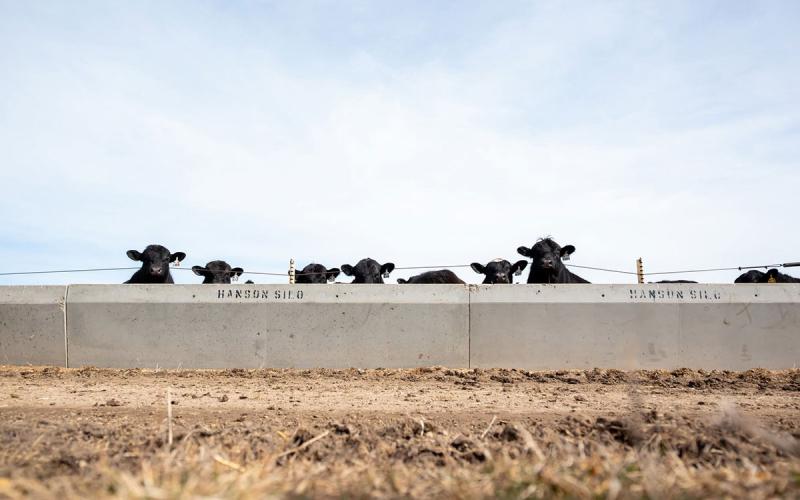
In most cases, we can feed sprouted grain to cattle or sheep with nearly the same results that we would expect with normal grain. Researchers from Idaho compared normal and sprouted wheat and found gains and feed efficiencies in yearling steers did not differ based on sprout damage. Similarly, when researchers in Kansas fed sprouted milo to feedlot steers they observed slightly improved performance. These results, plus other published research support the conclusion that sprouted grain can be used in ruminant diets. Sprouted grains should be processed similarly to normal feeds, especially for small grains which require either rolling or grinding to optimize digestibility and energy value.
What About Mold or Mycotoxins?
The same environmental conditions that trigger pre-mature germination are also associated with mold growth. For this reason, feeders need to carefully evaluate the extent of mold damage and consider testing for mycotoxins. Cattle are less sensitive to mycotoxins than are sheep. There is also less risk with growing or finishing livestock compared to breeding animals, especially those that are pregnant. Strategically allocating feedstuffs to less sensitive livestock classes reduces risk while still salvaging value from the crop.
Harvest and Storage Considerations
Harvesting sprouted crops as soon as practical will limit the extent of damage and capture the most feed value. Storage strategies should focus on preserving value and preventing further dry matter losses or mold contamination. Storing as high-moisture feeds would work, assuming that the grain is at the correct moisture content and that high-moisture storage facilities are available.
If ensiling is not an option, sprouted grains need to be dried quickly to stop the germination process. This may require drying grain more extensively, such as 13-14% instead of 15% moisture for corn. Once in storage, monitor bins closely in case hot spots occur and mold develops post-harvest.