Publication
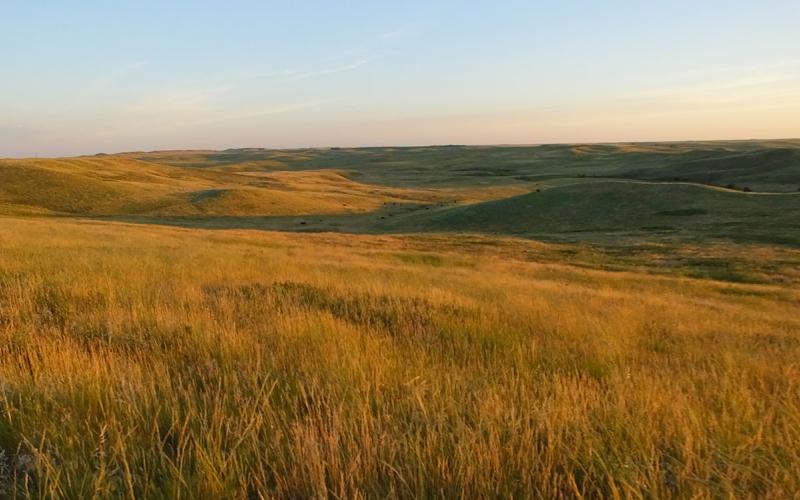
Investigating Rangeland Systems and Practices
Curriculum to teach students about the facets of rangelands.
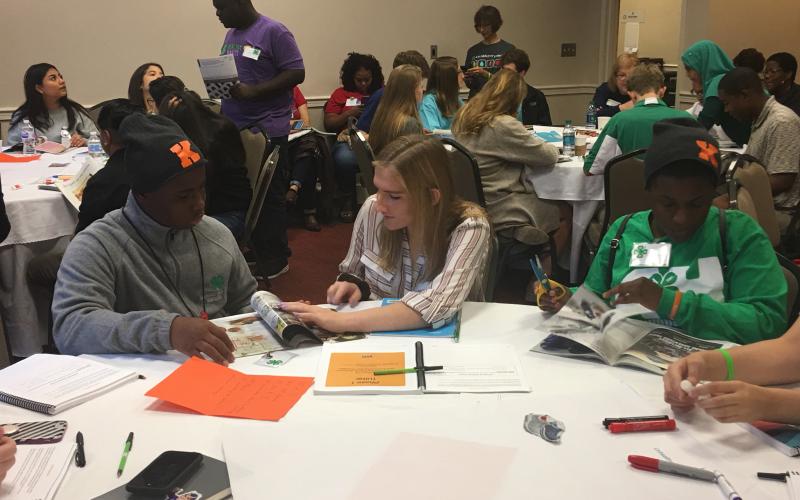
Leadership Level-Up Hot Sheet
This hot sheet compiles the many opportunities available to young people in South Dakota 4-H to ‘level-up’.

Interpretation of Water Analysis for Livestock Suitability
Fact sheet to help decipher both the results of a “quick test” and laboratory analysis for livestock suitability.
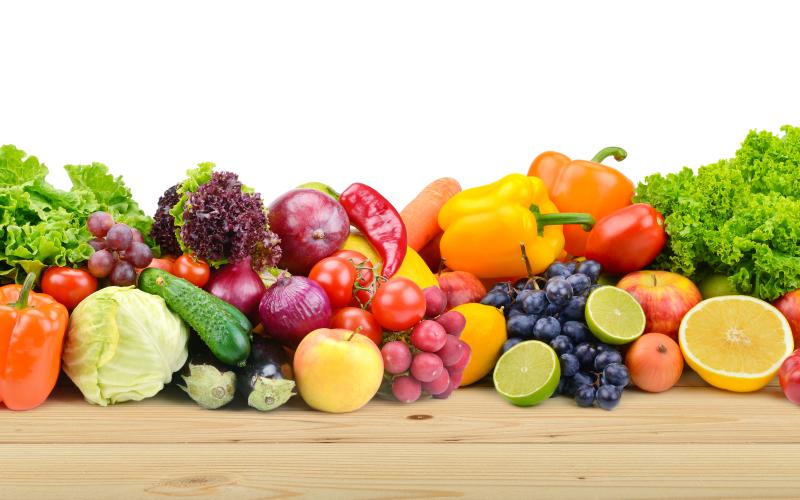
Eat What You Grow
Youth will learn the different parts of plants that we eat, and how to use drying and freezing techniques to preserve foods for later use.
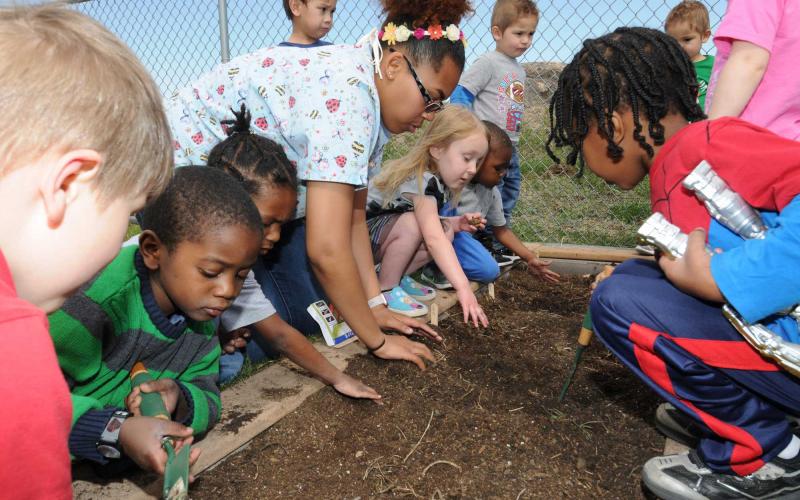
Stupendous Soils
Lesson for youth to discover the characteristics of different soil types and how to make compost.
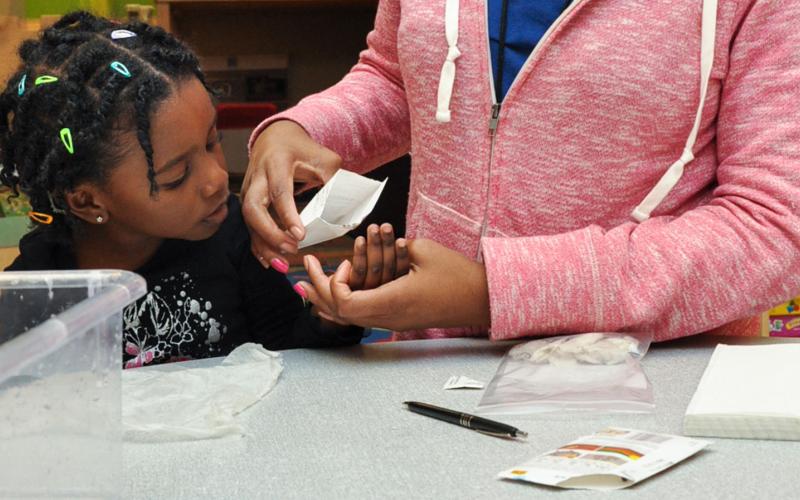
Super Seeds
Lesson for youth to explore the many types of seeds that are eaten or grown and learn how they grow.

Getting the Garden Growing
Introductory gardening lesson where youth will learn what plants need to grow and what fruits and vegetables grow in different seasons in South Dakota.

January: Action Makes Leaders
A quick start guide and additional resources about achieving excellence with their project areas and passions.

February: Communication, Courage and Creativity
A quick start guide and additional resources about Communication, Courage and Creativity.

March: Science, Technology, Engineering and Math
A quick start guide and additional resources about Science, Technology, Engineering and Math (STEM) education.