Plants or Crops
All Plants or Crops Content
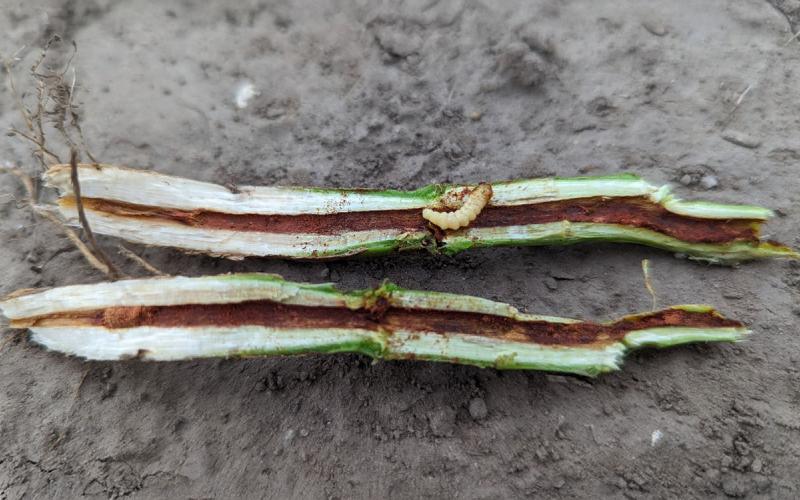
Dectes Stem Borer Adults Detected in South Dakota Soybean
Dectes stem borer adults have been collected from soybean in Southeastern South Dakota this week. As a reminder, the larvae of insect pest are capable of reducing soybean yields from 0-17% due to its feeding activity inside of the main stem.
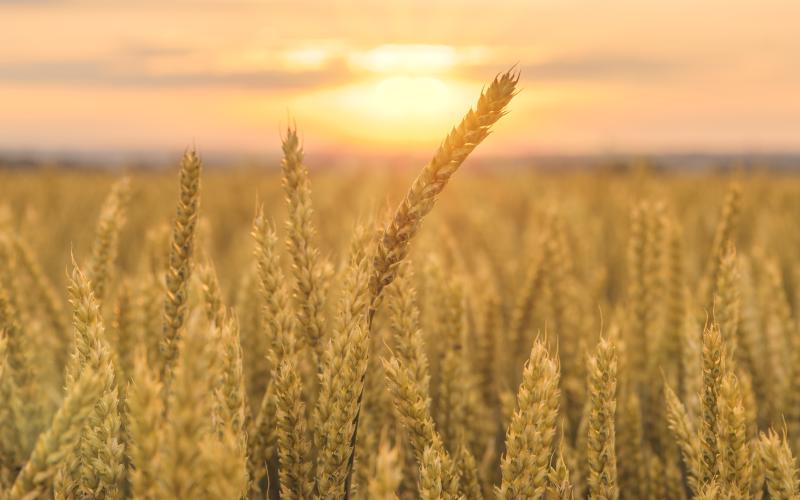
Wheat
The SDSU Extension team provides unbiased, research-based information to help wheat growers make decisions to improve yields and profits.
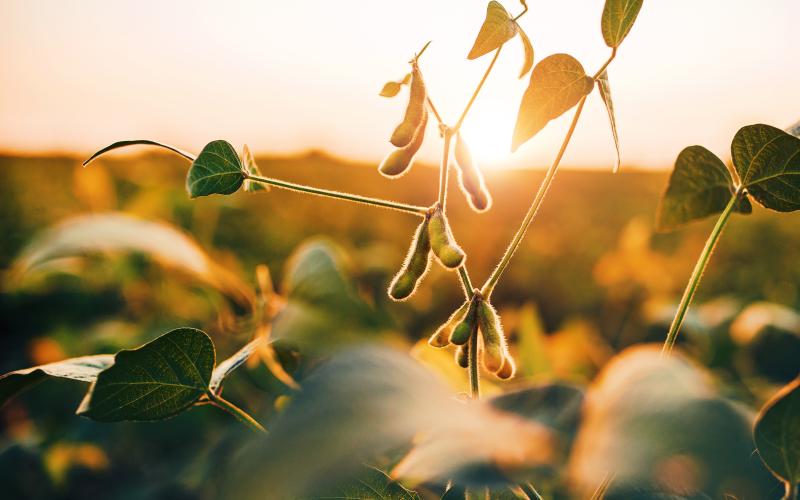
Soybean
SDSU Extension is your partner to increase yields and improve efficiency.
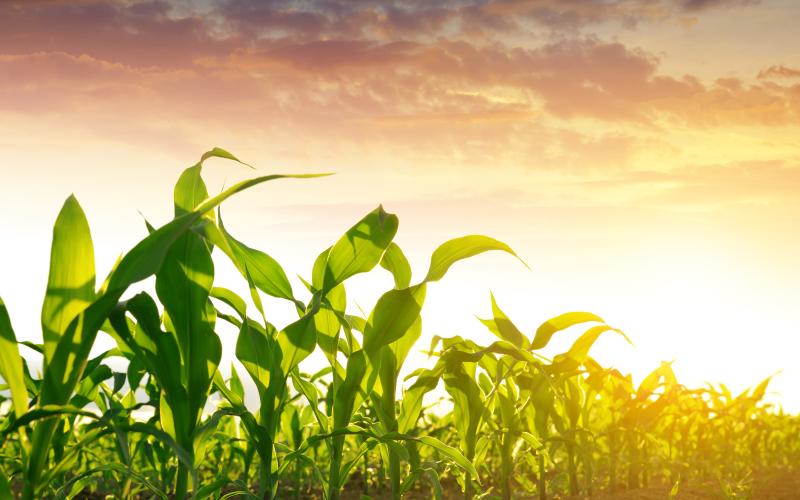
Corn
Nearly one out of every three dollars generated by South Dakota agriculture starts in a corn field. Two of every three rows of corn become ethanol.

Integrated Pest Management (IPM) Field School
SDSU Extension will host an IPM Field School at the SDSU Volga Research Farm (21200-, 21298 464th Ave., Volga, SD 57071) on Wednesday, July 29, from 9:00 a.m. - 4:00 p.m.

Large Grasshopper Nymph Populations Detected in Southeast South Dakota
This week we received several reports of large grasshopper populations originating from southeast South Dakota. The populations were well above threshold and actively defoliating crops.
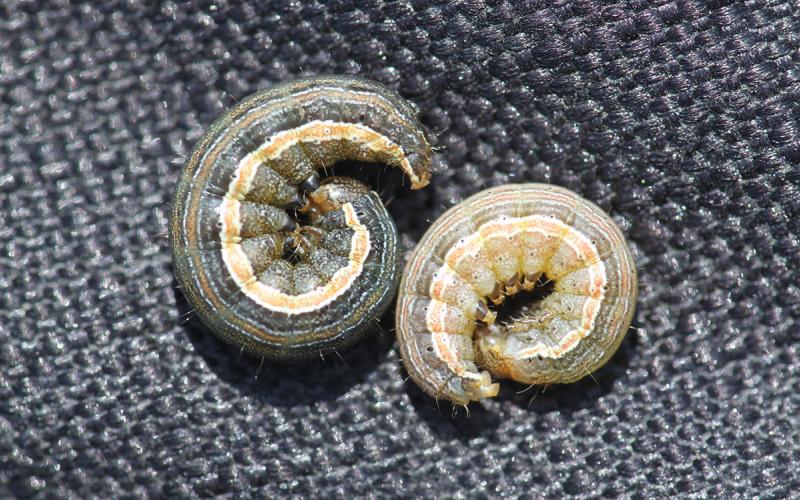
Keep an Eye on Your Wheat: True Armyworm caterpillars may be present
Every year, true armyworm caterpillars pose a threat to South Dakota wheat fields, and they most frequently show up during the end of June and early July. However, strong southerly winds during the spring can cause populations to show up earlier.

European Corn Borer Caterpillars Are Active: Scout your conventional corn
European corn borer caterpillars have been observed in conventional corn at several locations. Indicators for presence of are a line of straight holes in the upper leaves that is often referred to as shot-hole injury.

Fungus Gnats Affecting Soybean Emergence
We have recently received a report of a maggot attacking soybean seedlings. During most years, we would immediately expect this to be a case of seedcorn maggots, but it was fungus gnat larvae.

Soybean Plants Are Entering the Reproductive Stage (R1): Last chance to spray select herbicides
The summer solstice roughly marks the date when soybean plants switch from vegetative growth to reproductive growth. An important aspect of the reproductive growth stage is that many herbicides can no longer be applied after plants reach any bloom stage.