Plants or Crops
All Plants or Crops Content

Statewide Corn Production and County-Level Yield Variation in South Dakota
South Dakota’s corn production has experienced significant increase in both planted acres and production over the past decade.
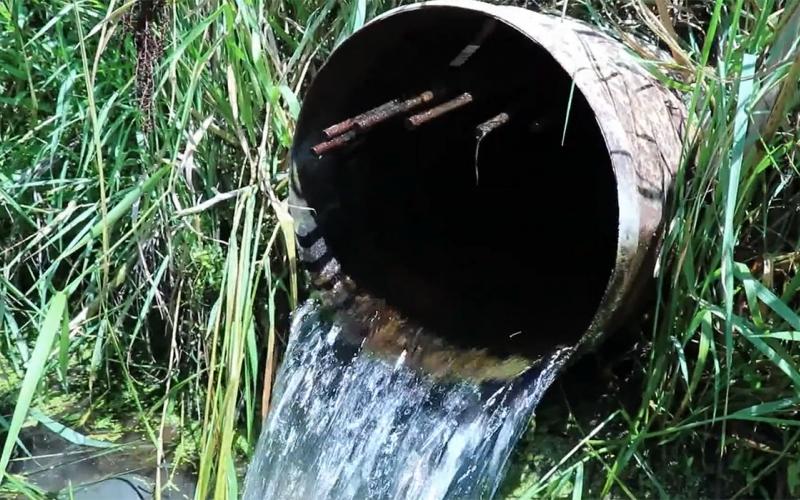
Nutrient Loss Calculator
Trying to figure out the nutrient loss in your tile drainage system? The Nutrient Loss Calculator can help. This useful tool helps landowners collect a snapshot of nutrient loss in their drainage systems.
Organic Conference @ Sioux Falls
SDSU Extension and the SDSU Southeast Research Farm will host an organic conference on March 12 from 8:45 a.m. to 3:40 p.m. at the Best Western Plus Ramkota Hotel (3200 W Maple St, Sioux Falls, SD 57107)
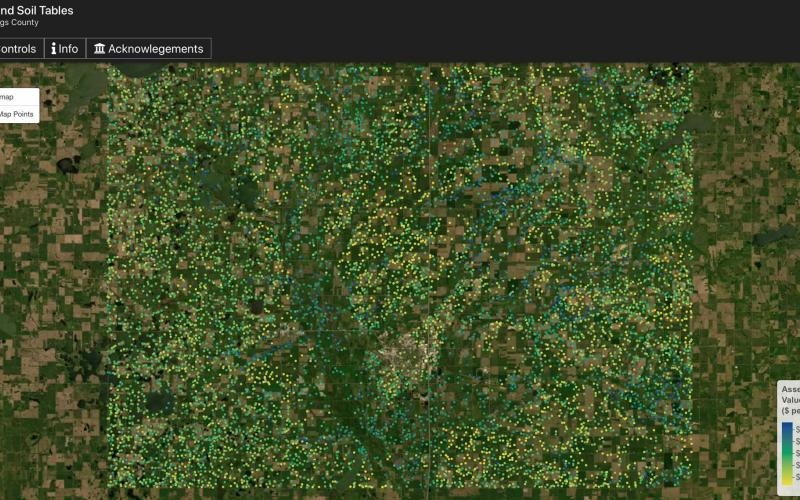
South Dakota Agricultural Land Soil Productivity Tool
The Ag Land Soil Tables Tool allows users to view soil data and download data by county to further understand the soil rating system. It can help appraisers make baseline agricultural land assessments and determine if adjustments from baseline are needed.

Crop Budgets
Crop Production Budgets help producers to determine the preliminary cost of production for the major commodities grown in South Dakota.
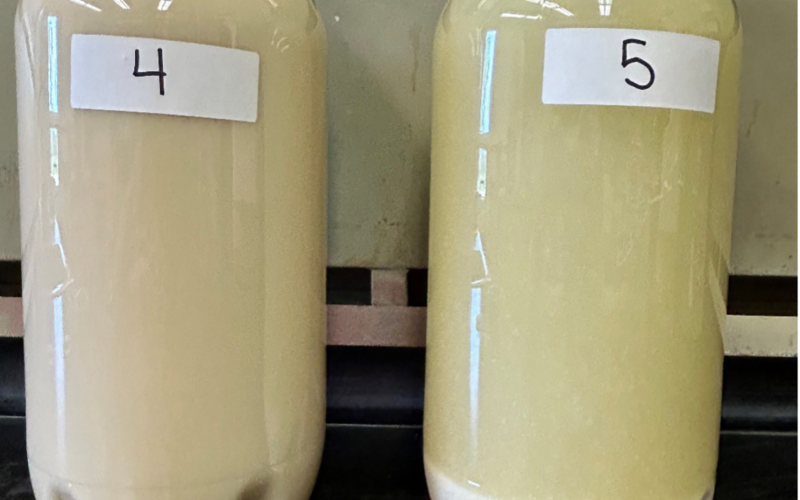
Herbicide Mixing Order
The order in which herbicides are mixed in a tank can influence the effectiveness.
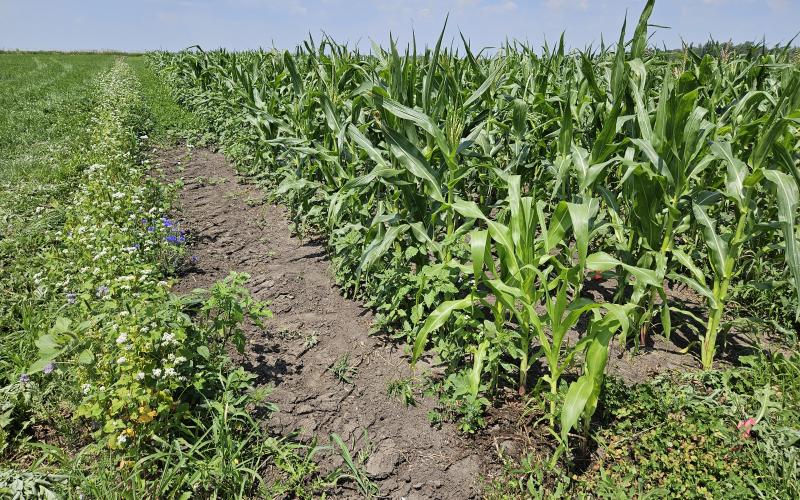
SDSU Extension invites growers to Sioux Falls Organic Conference
February 17, 2026
South Dakota State University Extension and the Southeast Research Farm at SDSU invite farmers to attend the Sioux Falls Organic Conference on March 12.
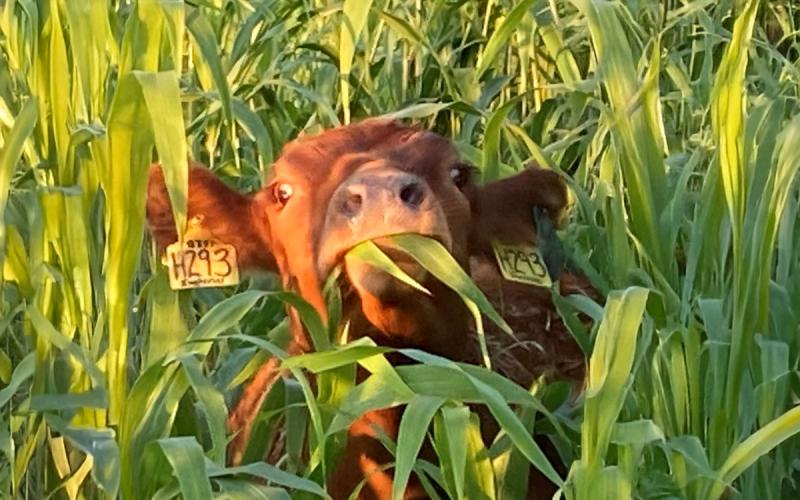
SDSU Extension welcomes new forage field specialist
February 10, 2026
South Dakota State University Extension is pleased to welcome Kim Ricardo as a new Forage Field Specialist.
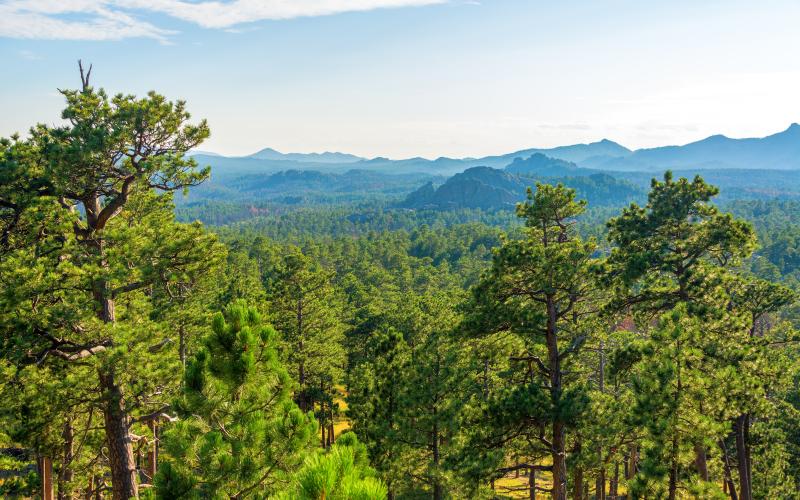
Tree Issue Treatments
Commonly available in pesticides for Conifer and Broadleaf disease, disorder, insect and mite treatment options.
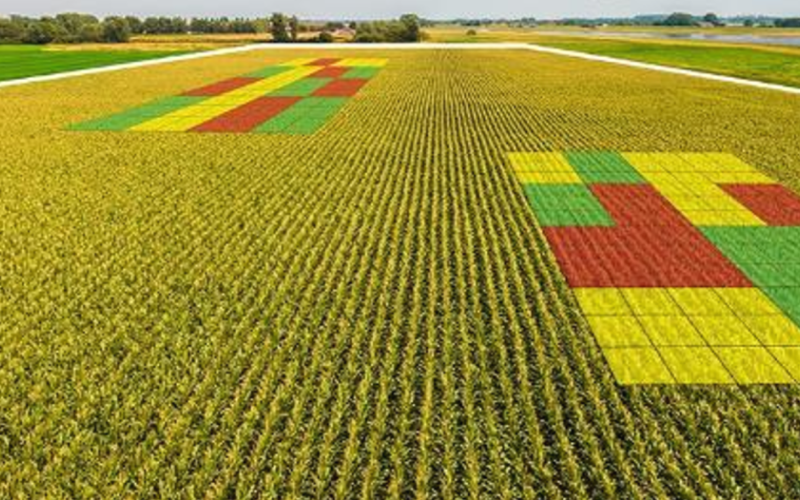
SDSU Extension invites corn farmers to join on-farm nitrogen fertilizer trial program
February 06, 2026
South Dakota State University Extension and Premier Crop Systems are recruiting corn farmers to participate in nitrogen fertilizer trials.