Natural Resources
All Natural Resources Content
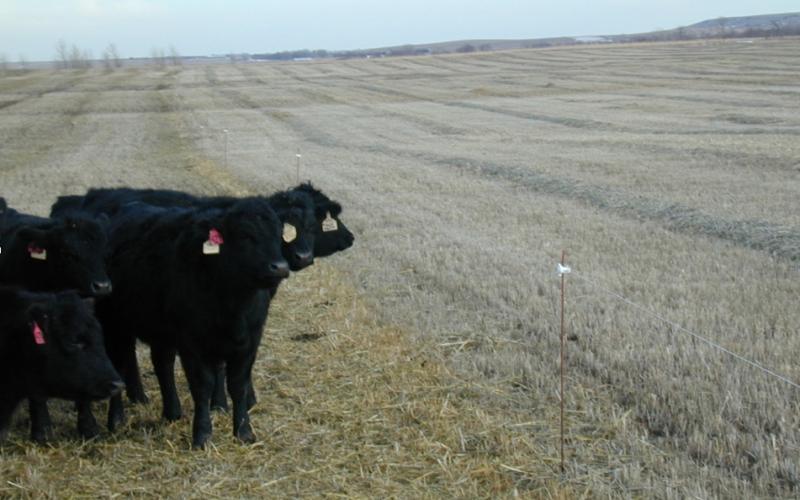
Swath Grazing: Extending the Grazing Season
One proposed way to cut fall/winter feeding costs is to extend the grazing season and allow the livestock to harvest the resource instead of relying on mechanical harvest.
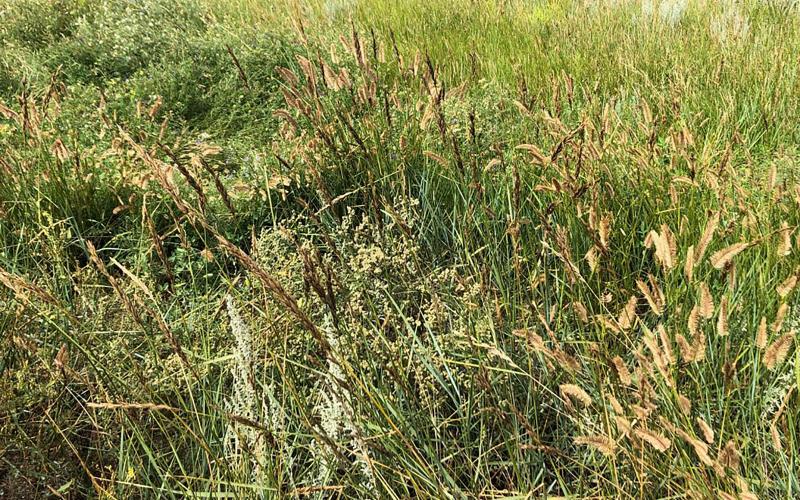
Ergot in Western Wheatgrass and the Potential Effects for Winter Grazing
2019 has been a year fraught with challenges for ranchers across South Dakota. Abundant precipitation is usually a blessing, however, wet conditions coupled with a cool spring followed by warmer temperatures has caused another problem across the rangelands of South Dakota: ergot poisoning.
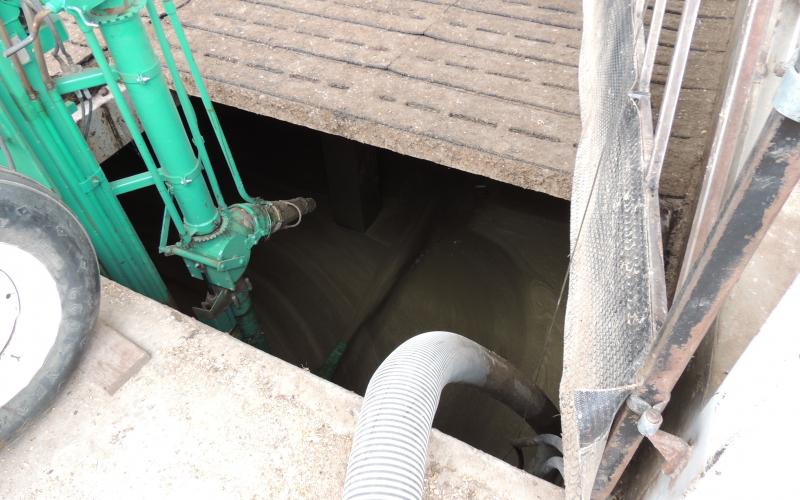
New Technology for an Old Problem
One of the last projects I was involved with as coordinator for the Lower James River Watershed Project was the installation of a deep pit monoslope barn for a feedlot operation near Alexandria, SD. A deep pit confinement barn is a manure storage system that employs slatted flooring with pit manure storage underneath.
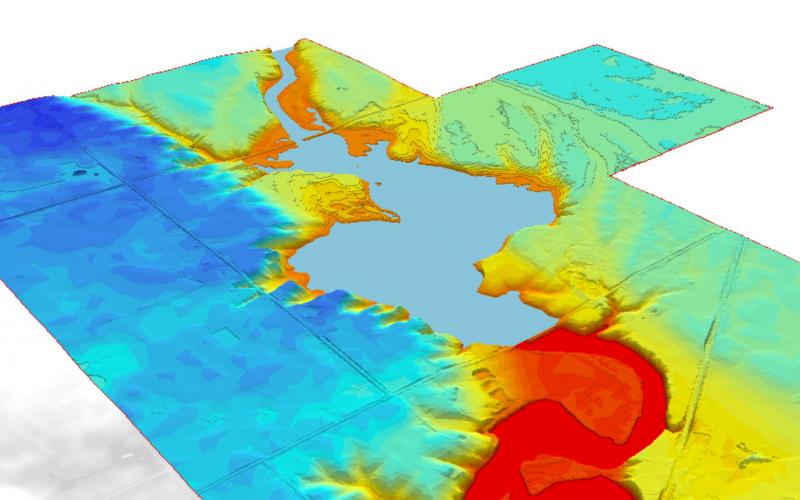
Senior Design Project Has Potential to Become Lake Mitchell Water Quality Project
SDSU Agricultural & Biosystems Engineering students, as a senior design project, recommended constructing a retention structure on a property near Lake Mitchell in order to reduce the phosphorus content entering the lake.
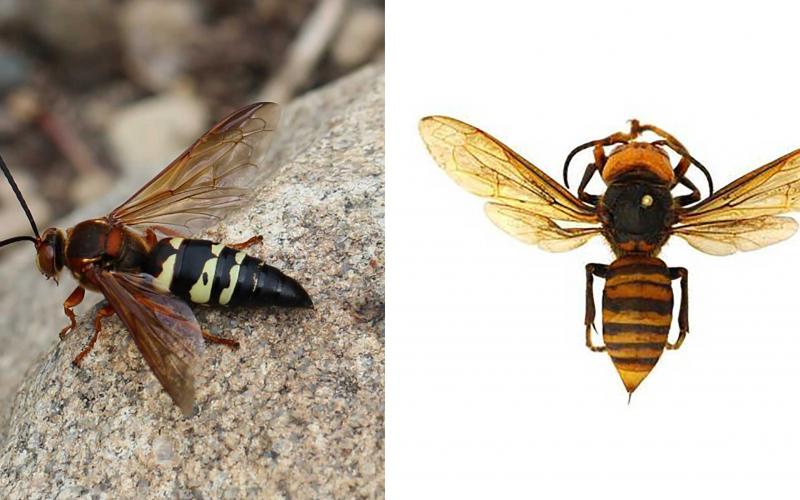
No, It’s Not a Murder Hornet.
By now, you’ve probably read headlines about the Asian giant hornets (aka “murder hornets”) that were spotted in Washington state and across the border in Canada. It is important to note that Asian giant hornets have only been confirmed in a small area of Washington and Canada. These wasps have not been observed in South Dakota or our neighboring states.
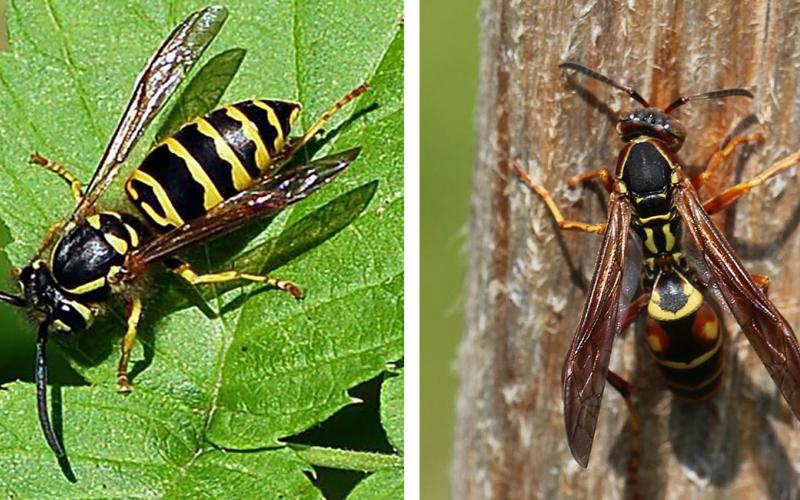
Wasp Activity Is Ramping Up
With their distinctive black and yellow stripes and tendency to hang out in groups, wasps receive attention no matter the time of year. As the weather warms up and spring progresses, you may notice more wasp activity in your yard or around your house.
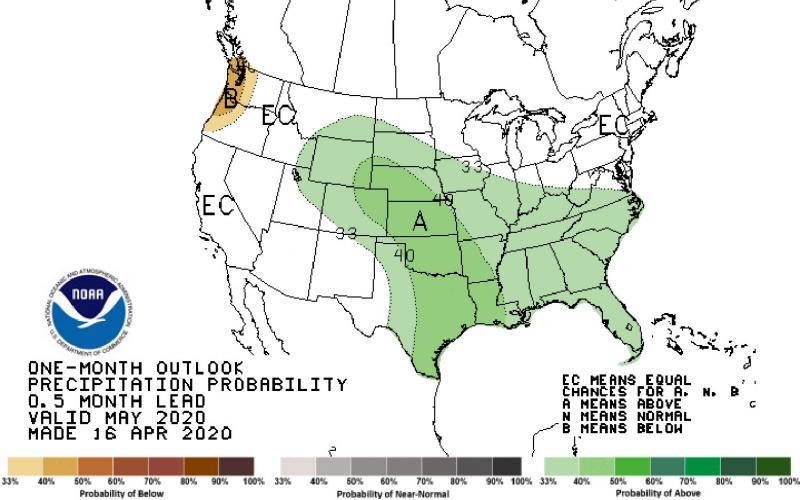
May 2020 Climate Outlook
On April 16, NOAA’s Climate Prediction Center released their climate outlook for May and the coming three-month period of May through July. There is a lot of uncertainty in the temperature outlook for the next one-to-three months in the Northern Plains Region.

SDSU Extension Continues Outreach Efforts During COVID-19 Pandemic
April 03, 2020
While offices throughout the state are closed, SDSU Extension experts remain available remotely and encourage the public to reach out to them via email or by phone.
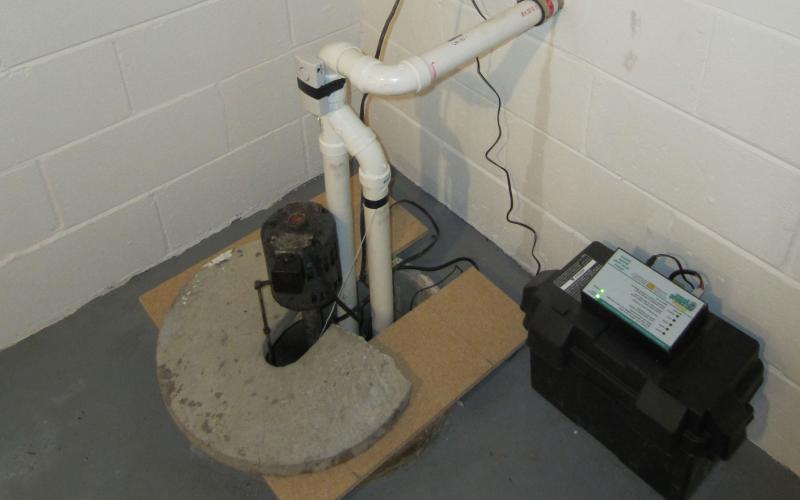
Flooding and Sump Pumps
For many homes with a basement or crawl space, a sump pump and drainage system can help reduce the risk of a basement flooding from high water table situations. Here are a few tips for making sure your sump pump is working as it should, and you are not causing problems for your neighbors downstream.
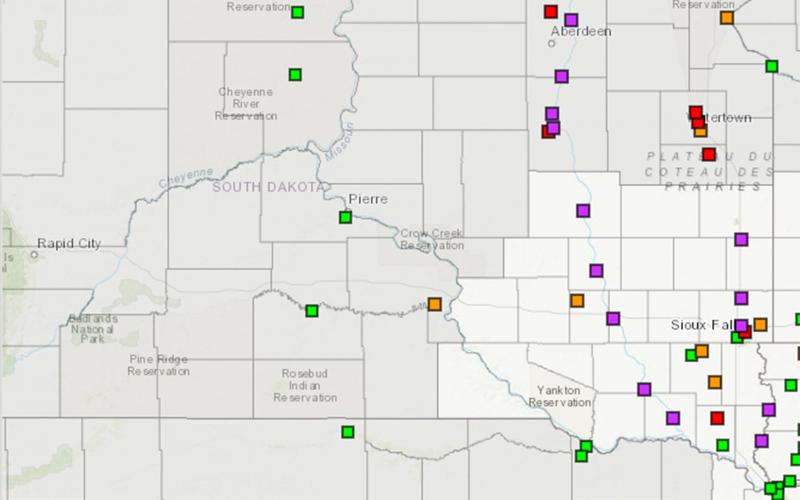
Get to Know Your Local Emergency Management Director
The warmer weather and spring migration this March have us all thinking of better days ahead. Unfortunately, it also has us thinking about flooding again this spring.