Livestock
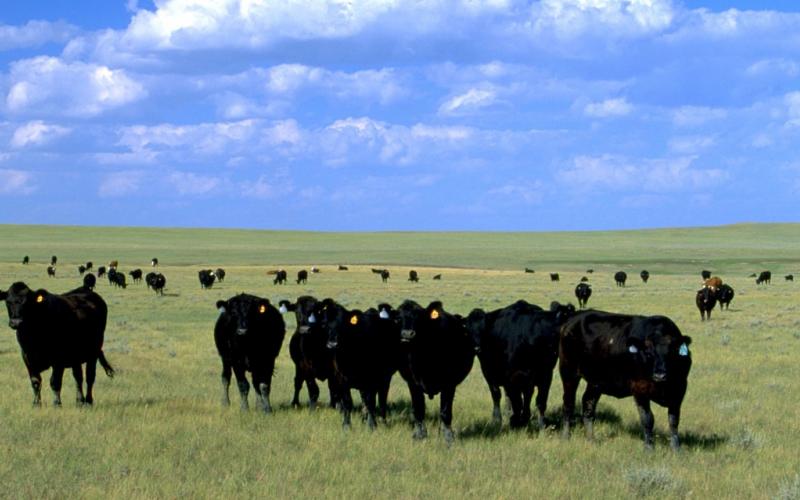
Census of Agriculture Cattle Insights
The "2017 Census of Agriculture" is a valuable source for insights related to cattle operations at the state level. There were 13,928 operations across South Dakota with cattle in 2017, and the total inventory was 3,988,183 head.
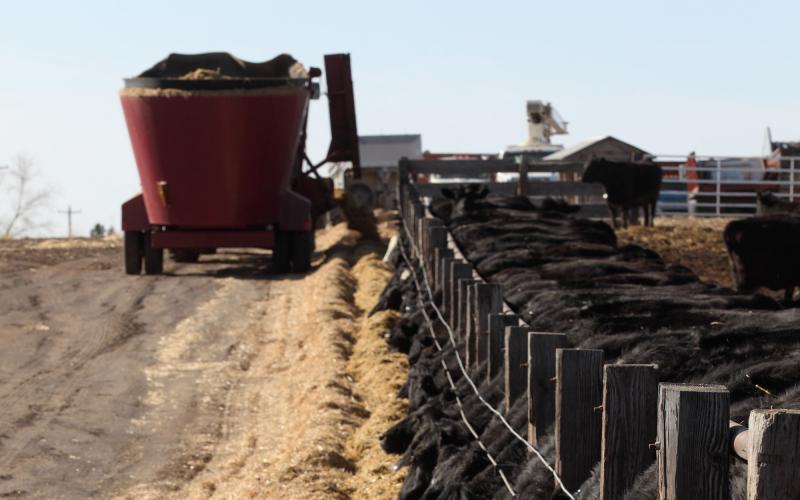
What Goes Into Calculating Yardage?
Yardage cost is the non-feed cost per head for every day that an animal is fed harvested feed in some form of confinement. Yardage is usually associated with calves and yearlings in the feedlot, but this concept can apply to drylotted or wintering cows as well.
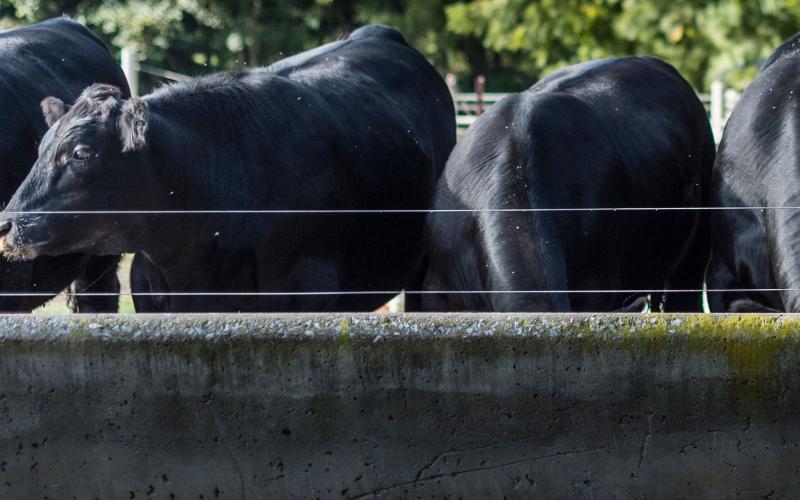
Feedlot Pen Maintenance Allows Cattle to Walk Easier
Beef feedlot operations are faced with daily tasks of managing feed and cattle inventory, animal health, labor, operational activities and marketing of the resident cattle in the yards. No less important are details to manage the feedlot environment and facilities.
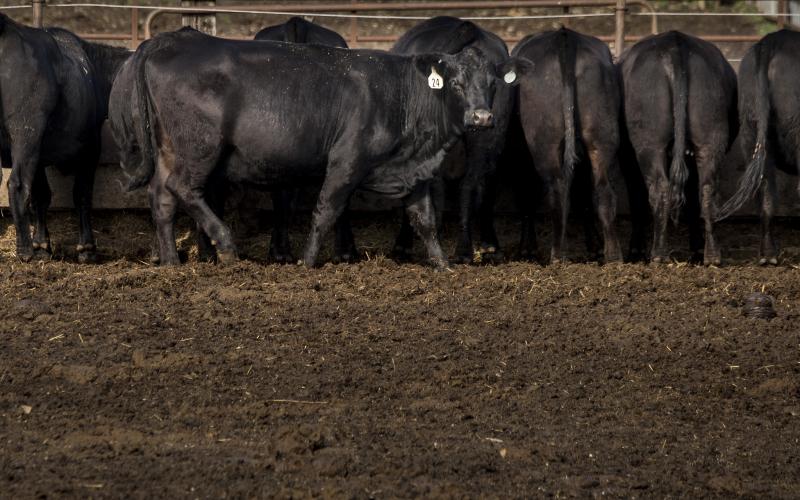
Do Temperament and Breed Type Play a Role in Feeding Efficiency and Carcass Quality?
Is there a relationship between temperament and profitability in cattle? A recent study conducted by Texas A&M University took a closer look at the impacts that temperament and breed types can have on feedlot growth performance, feed efficiency, feeding behavior, carcass characteristics, and value in finishing beef heifers.
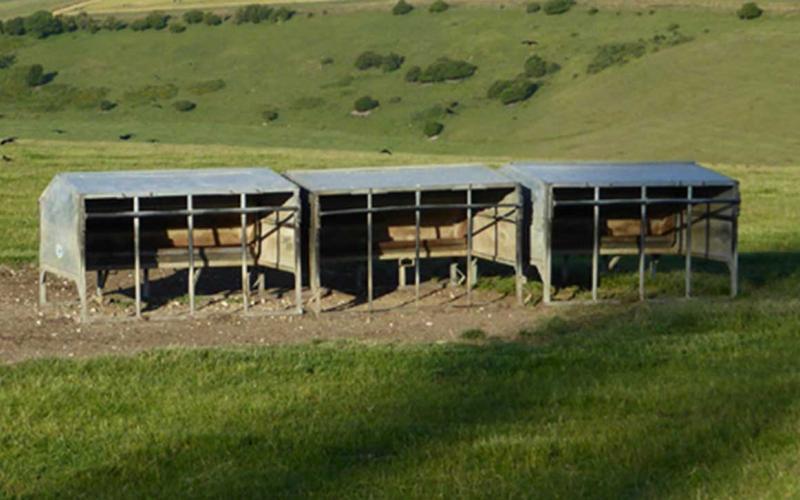
Creep Feeding Options: Will it Pay?
Creep-feeding should be evaluated on yearly basis to determine if it will provide production and economic benefits to the operation.
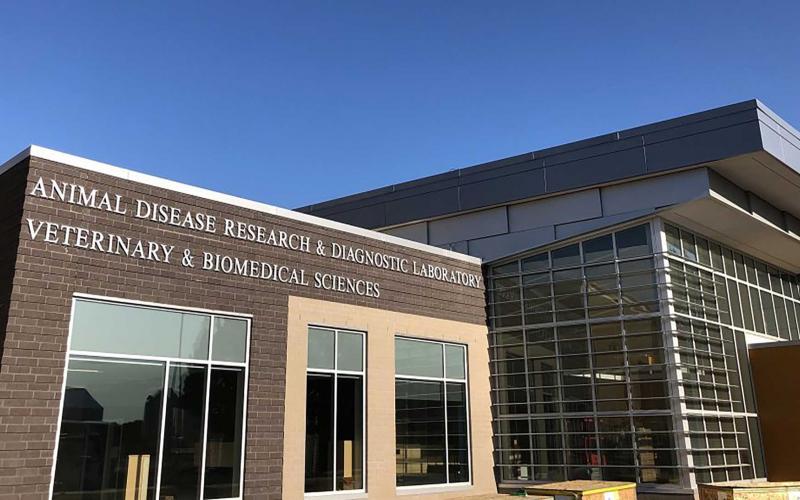
How Would Veterinary Diagnostic Labs Test for African Swine Fever?
What would African Swine Fever testing look like through the lens of our veterinary diagnostic laboratories? Interestingly, we know exactly what it looks like, because it’s already being done at sites such as the Animal Disease Research and Diagnostic Laboratory at South Dakota State University.
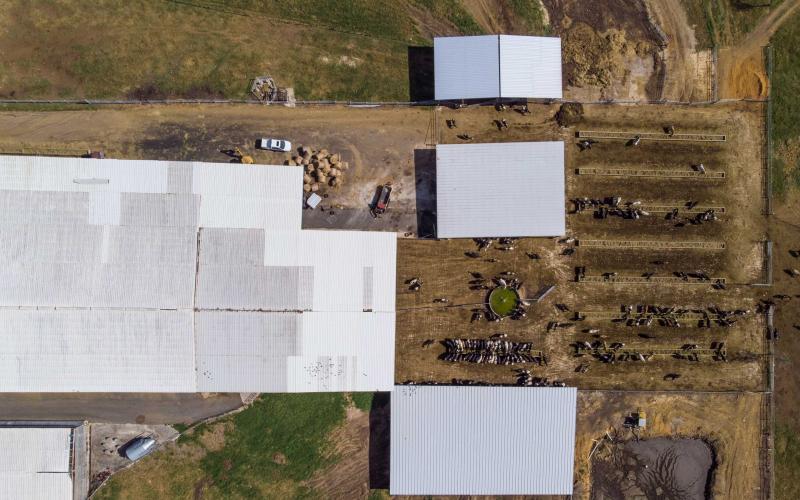
Dealing With Heat Stress in Dairy Cows
Alleviating heat stress is critical to milk production. Heat stress from high environmental temperatures can be compounded by mistakes in managing and feeding cows. Water is your first concern during periods of high temperatures.
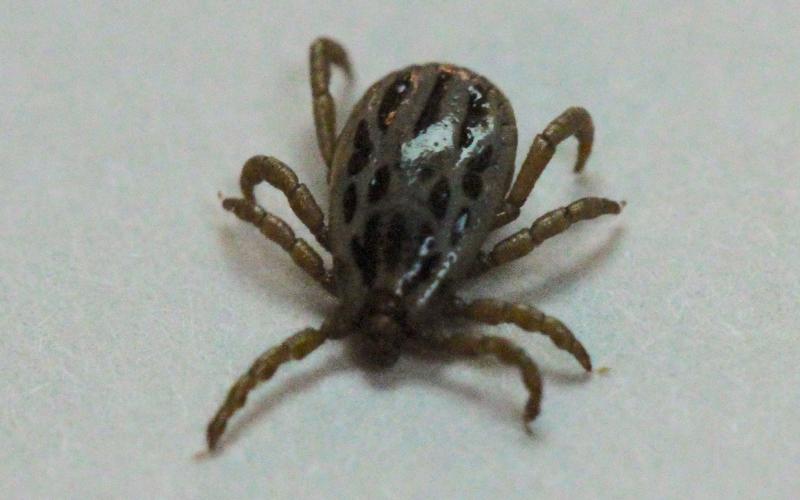
Winter Ticks in South Dakota
Winter ticks, also called moose ticks, are unlike other tick species because they are active during the winter months.
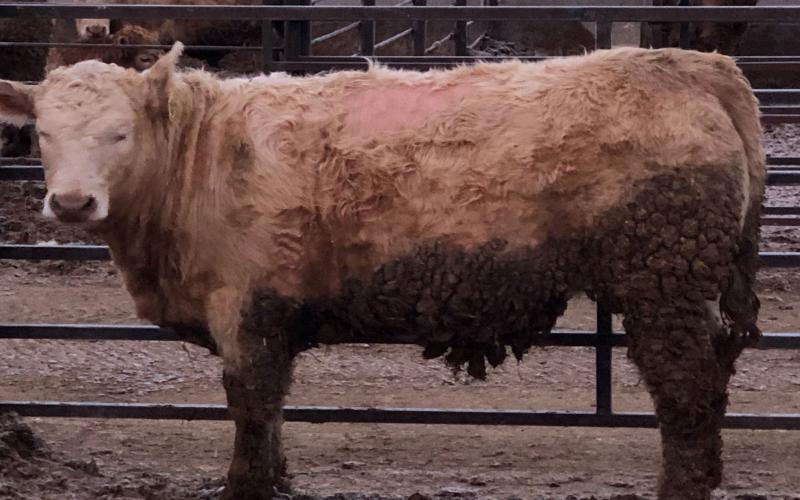
Winter Lice Control
Seeing cattle rubbing hair off due to lice infestations can be extremely frustrating. Not only are the cattle damaging fences and equipment, there also can be performance losses and health issues not to mention that the cattle are simply not as visibly appealing, which can be very important for seedstock producers or feeders selling backgrounded feeders.
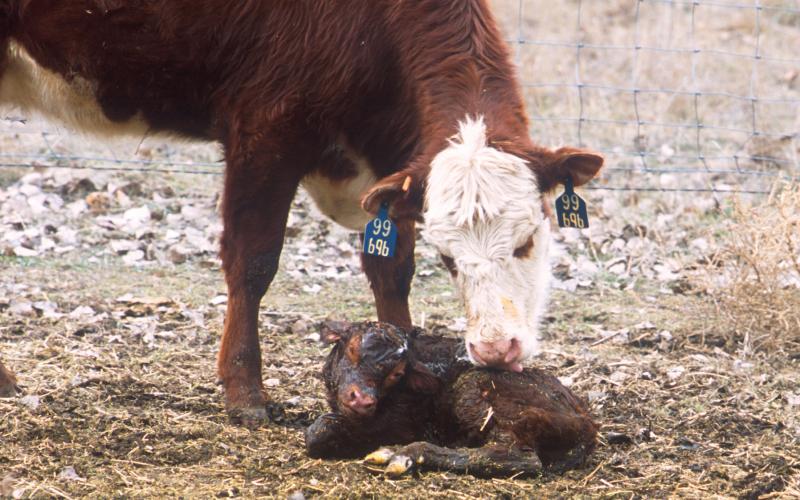
Will Health Effects Linger in Beef Calves Following Harsh Spring Weather?
Beef herds calving in late winter or early spring flirt with disaster annually when it comes to bitter weather conditions. It’s a rare year when a prolonged cold snap or snowstorm doesn’t occur during this critical period. In the throes of those weather conditions, calf health and even survival can be directly affected.