Livestock
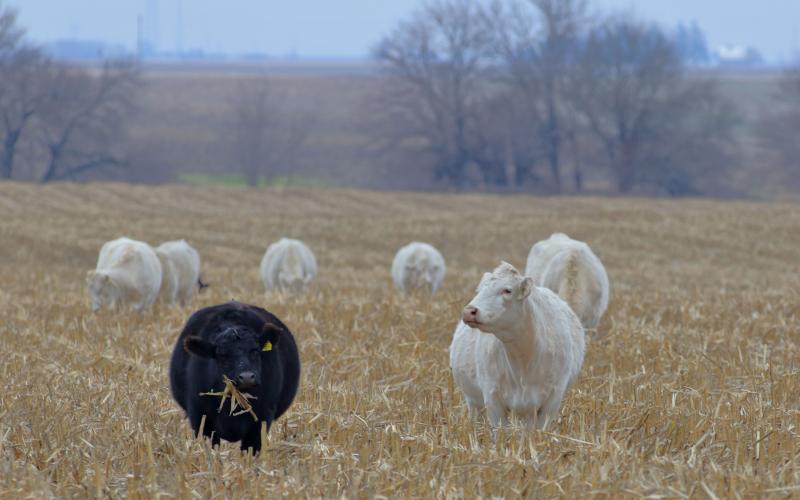
Farm Practices That Improve Soil Health: Integrated Crop-Livestock Systems
An integrated crop-livestock system can provide an alternative management strategy that benefits producer’s income, soil health, and the environment—all while increasing production.
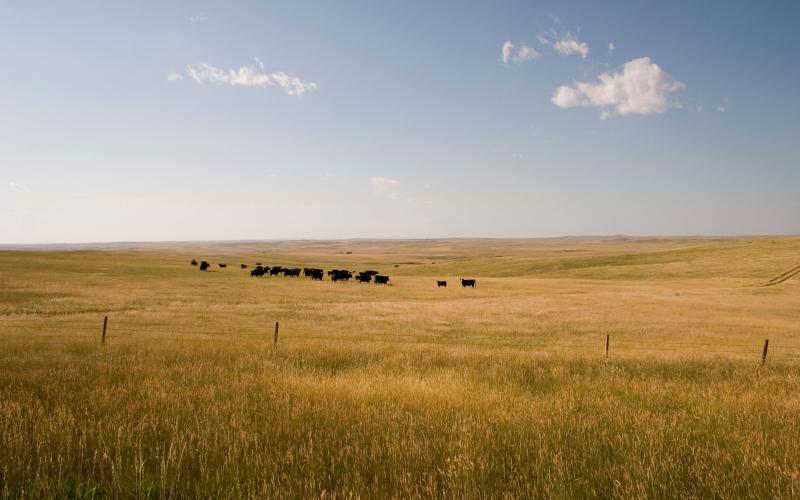
Rotational Grazing Improves Stocking Capacity and Ranch Profitability
Livestock stocking rate is considered as one of the most important decisions that ranchers can make, as heavy stocking rate causes grassland degradation and adversely impact the sustainable delivery of ecosystem services.
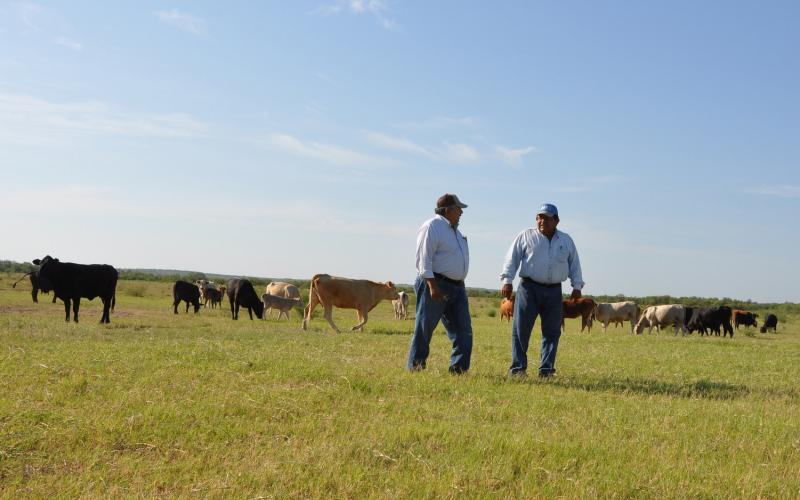
Rotational Grazing Benefits: South Dakota Producer Perceptions
To better understand producer perceptions on rotational grazing, we sent out 1,500 surveys to South Dakota ranchers inquiring about adoption status and perceptions of rotational grazing.
Using Increased Longevity to Reduce Annual Cow Cost
When evaluating annual cow cost, feed rises to the top of the list. Feed cost is an important area to consider; however, have you evaluated the cost of incorporating replacement heifers into the cowherd?
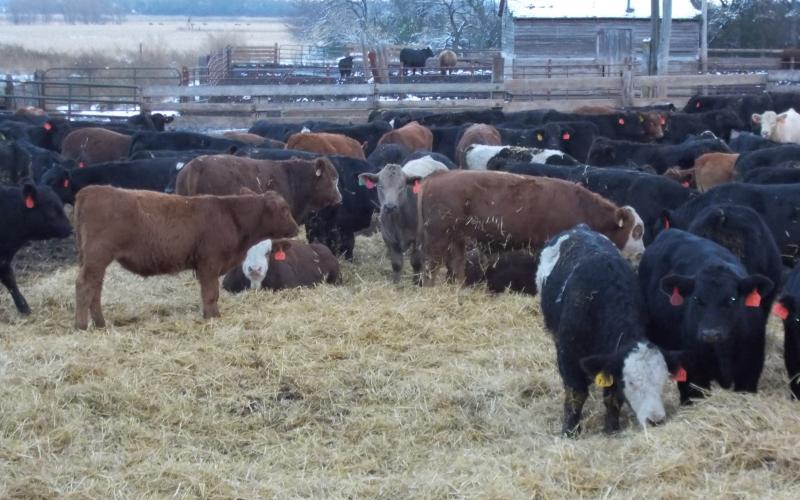
Managing Cattle Through Winter Weather Conditions
Winter weather conditions often present challenges to cattle managers in the Northern Plains. Although we can’t alter the weather, there are management steps that can be taken to help maintain cattle health and performance.

SDSU Extension to Address Economic and Marketing Issues in Crop and Livestock Production During Ag Economic Dialogue Series
August 06, 2020
SDSU Extension will host monthly Ag Economic Dialogues throughout 2020 to assist farmers and ranchers in making the best and most profitable decisions for their operations.
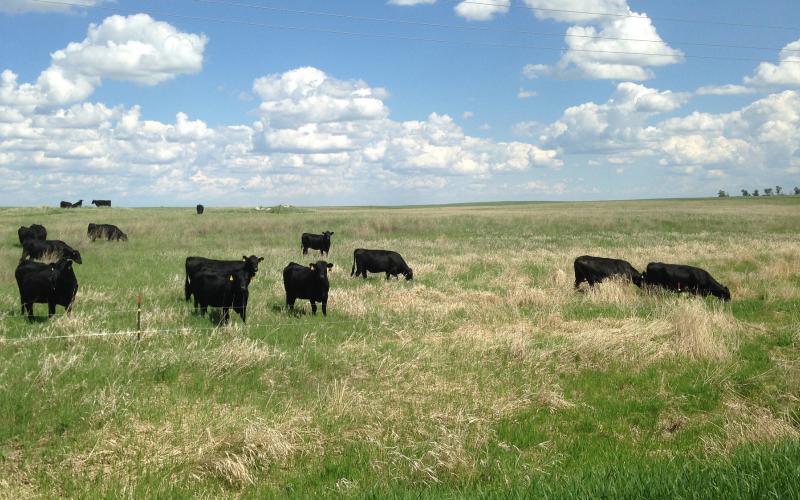
South Dakota Grazing Management Practices: Current & Future
Grazing land occupies 54% of rural land and accounts for a key portion of land use in South Dakota. Many grassland problems can be avoided by using efficient grazing management practices.
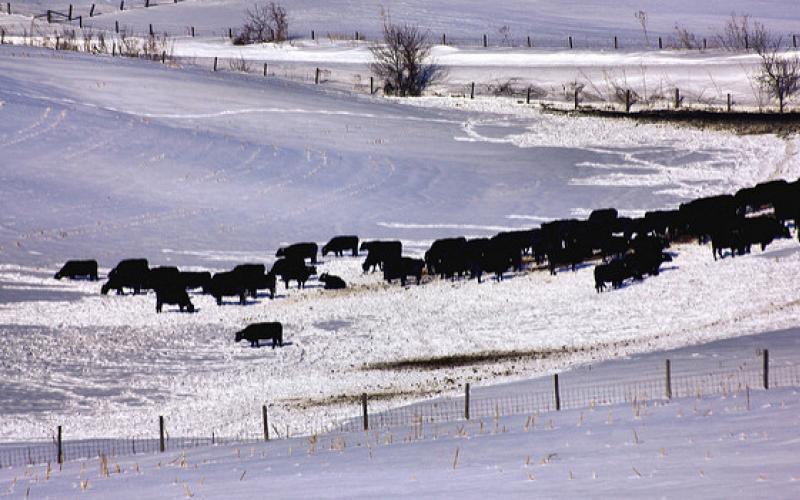
Do You Have To Defer Grazing on Winter Pastures?
How can ranchers improve profitability when feed typically represents well over half of cow-calf production costs? Grazing dormant winter range is a common practice to reduce costs in South Dakota. Grazing winter range when plants are completely dormant minimizes negative impacts on the function of the plant during the growing season. Separate pastures are typically designated for winter use only, often based on availability of winter shelter, water and access to stored feeds.
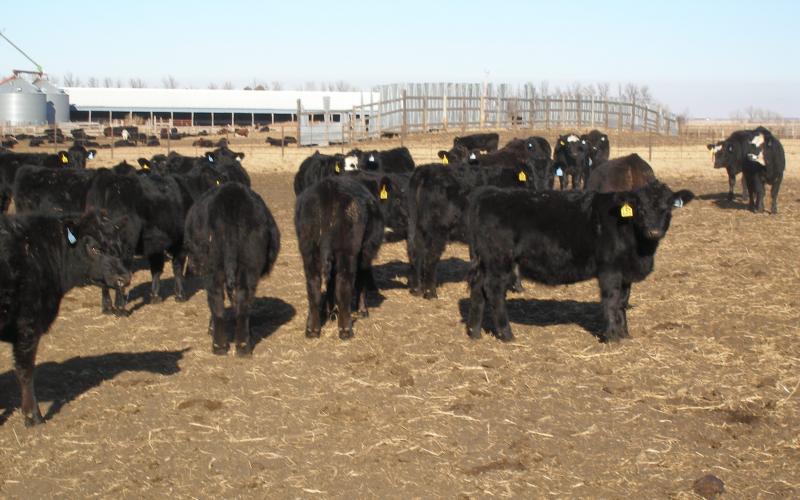
Choosing the Right Custom Feeding Partner
Custom cattle feeding can be a “win-win” strategy when done correctly. Feeding someone else’s cattle provides a method to market feedstuffs without tying up the capital required to own the livestock.
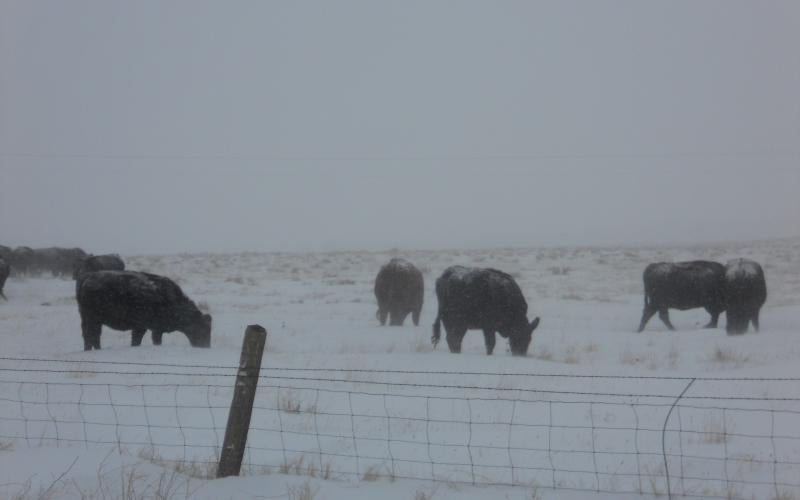
Dealing With Snowstorms for Cattle on Winter Range
Ranchers with cattle on winter pastures have a few management strategies to help them cope with the large snowstorms throughout the state.