Water
Nutrient Loss Calculator
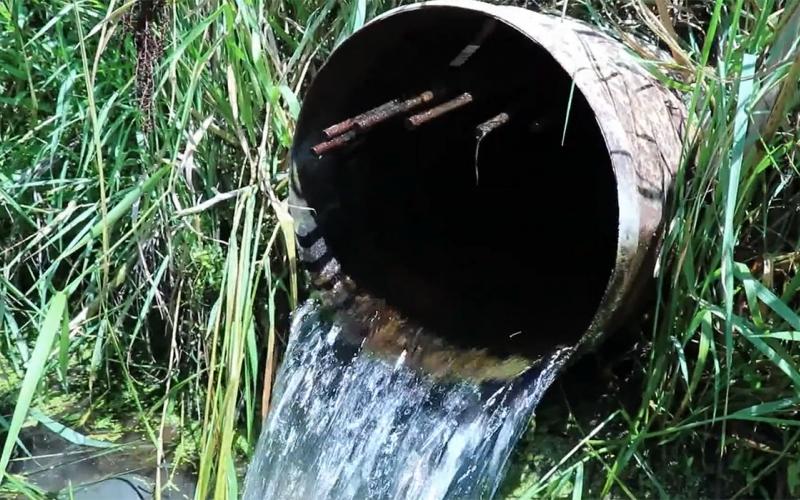
Trying to figure out the nutrient loss in your tile drainage system? The Nutrient Loss Calculator can help. This useful tool helps landowners collect a snapshot of nutrient loss in their drainage systems.
Water For All
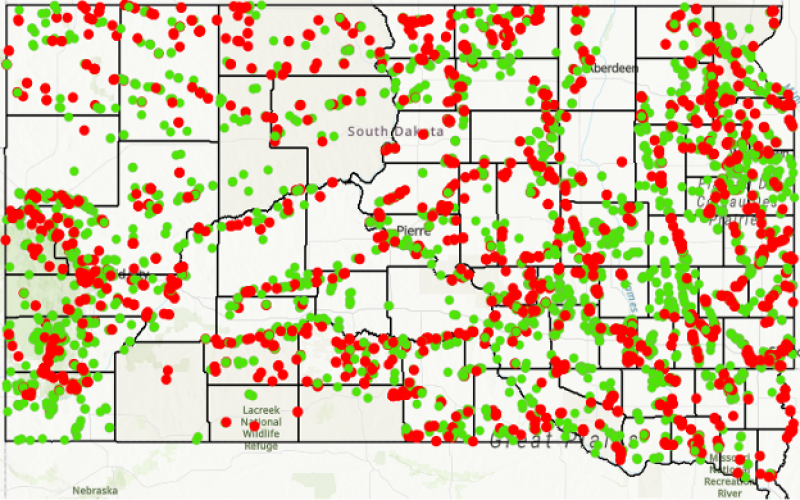
These videos are meant to raise awareness among South Dakota citizens about the kinds of water information available to them.
Crop Hour
SDSU Extension will deliver a series of virtual Crop Hour webinars January 7 to February 27, 2025, every Tuesday, Wednesday and Thursday from 10:00 a.m.-11:00 a.m. CST.

Finding Technical and Financial Assistance for Fish Barrier Removal and Mitigation
Manmade barriers can limit the movement of many aquatic species and prevent them from gaining access to critical habitats. For public entities and private individuals interested in the removal or mitigation of those barriers, both technical and financial assistance is available.
Has a New Pathway for Increased Mercury in Fish Been Found?
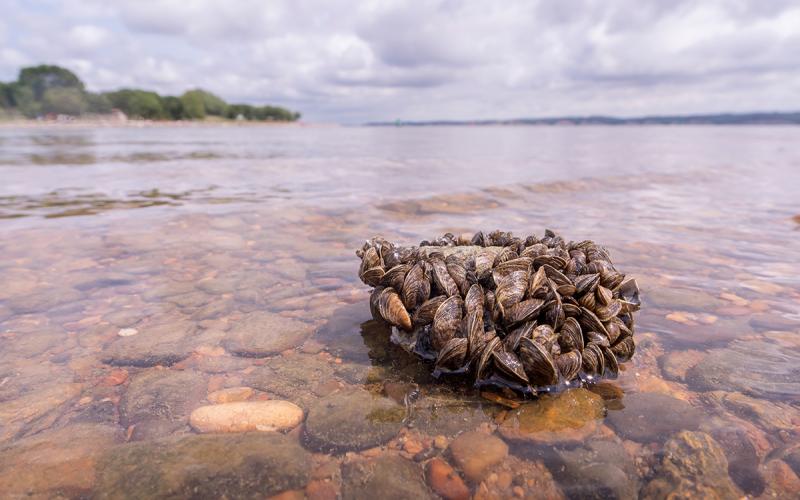
There is growing evidence that zebra mussels may be affecting the level of mercury in fish tissue by altering contaminant cycling in inland lakes. While the mechanism of this increase needs to be further studied, it likely means that fish consumption advisories will increase for those lakes invaded by zebra mussels.

A Strategic Community-Based Survey of Water Resource Management in South Dakota
Understanding how residents value water is critical for effective resource management, and your insights can help us better understand community values and inform future strategies for sustainable water management across the state.
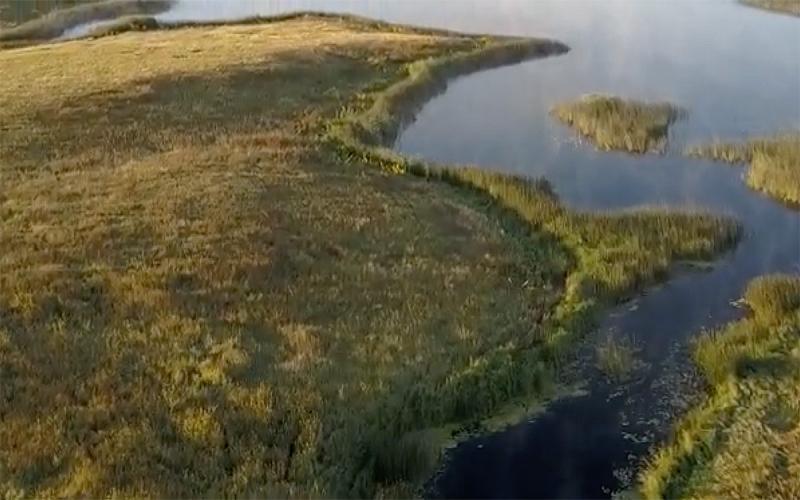
Prairie Pothole Wetlands: Small Basins, Big Impact
The benefits of prairie wetlands extend far beyond wildlife. These wetlands filter pollutants and excess nutrients from agricultural and urban runoff, trap sediment, recharge groundwater, and store floodwater.
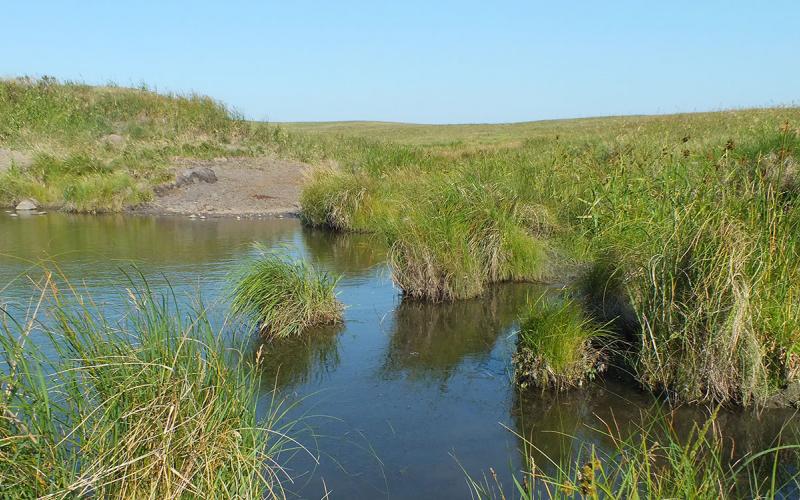
Private Property vs. Public Access: Managing Non-Meandering Waters in South Dakota's Prairie Pothole Region
Fact sheet on managing non-meandering waters in South Dakota's prairie pothole region.
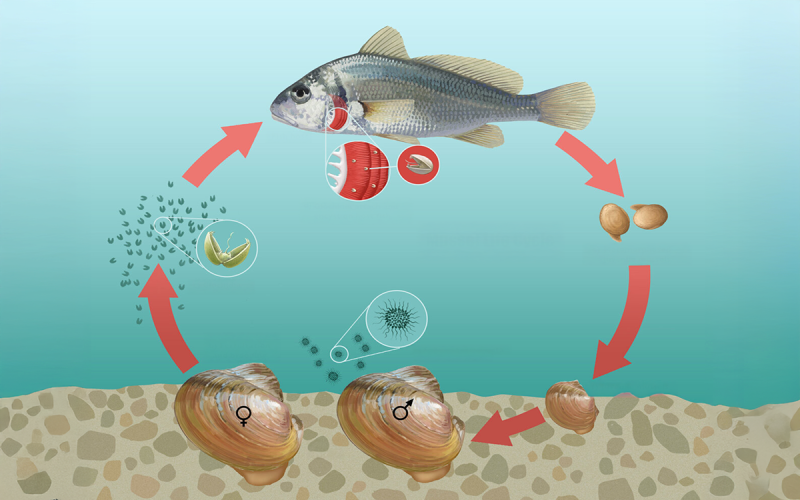
The Importance of Fish for Native Freshwater Mussel Reproduction
To reproduce, freshwater mussels rely on fish to carry their young into new areas and disperse them when they are old enough. By conserving suitable fish habitat, it also allows us to indirectly conserve mussels by providing necessary resources for mussels to reproduce.
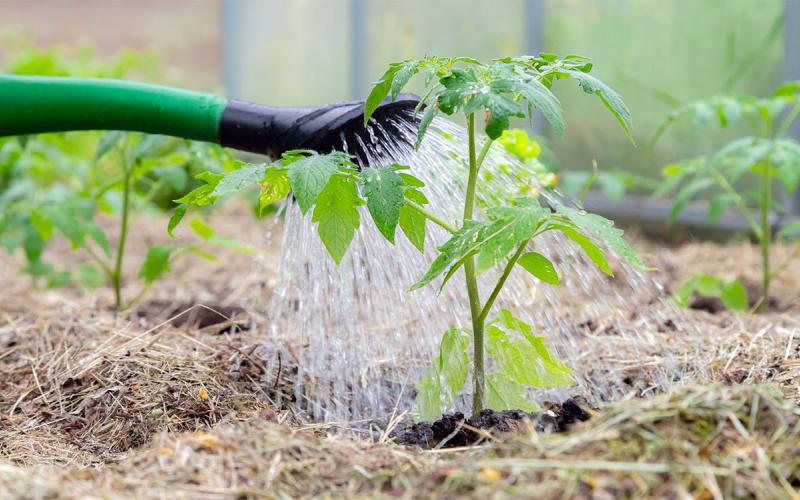
Microbial Water Testing for South Dakota Producers
Microbial water testing is important for produce growers to know the quality of their water to help ensure the safety of the fruits, vegetables, and herbs they produce.