Farm Management
All Farm Management Content

Free online Ag Economic Dialogues to continue in 2023
December 28, 2022
South Dakota State University Extension will continue the Ag Economic Dialogues series in 2023 to address current economic issues that farmers and ranchers face.

SWOT Analysis for Your Ranch (And Don’t Forget About Yourself)
Completing a SWOT (Strengths, Weaknesses, Opportunities, Threats) analysis allows you to evaluate your operation's current position and decide on management strategies to achieve your goals for the next year. Learn how to get started today!
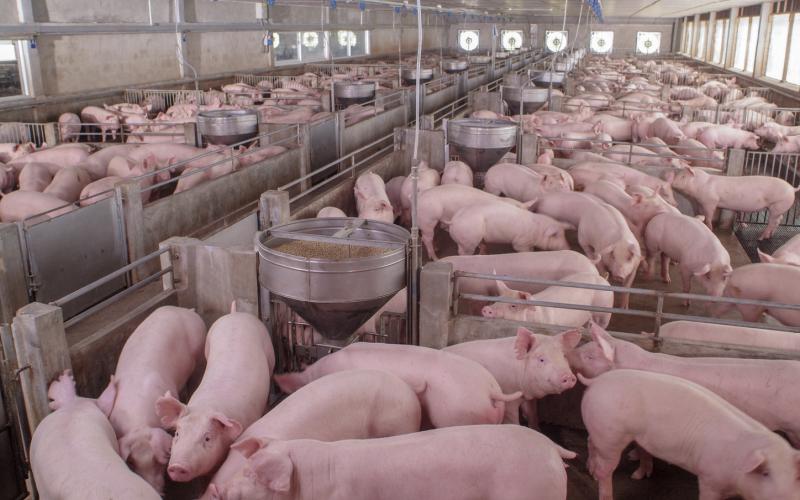
Register Now for Concentrated Animal Feeding Operations Training on December 7
November 22, 2022
An environmental training session for operators of Concentrated Animal Feeding Operations (CAFOs) will be held Dec. 7 at the Crossroads Convention Center in Huron.

Secure Your Farm or Ranch’s Future with SDSU Extension’s Sustaining the Legacy Conferences
November 10, 2022
South Dakota State University Extension can answer your questions about planning for the future of your farm or ranch during the Sustaining the Legacy conferences that start in December and run through April.
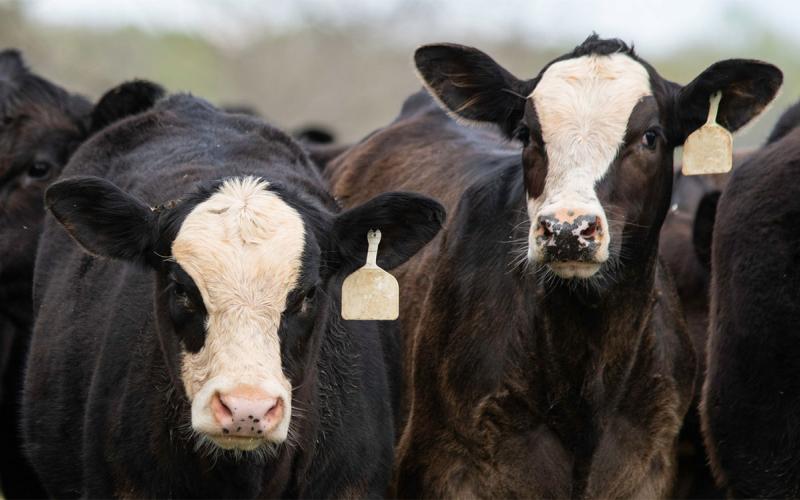
Sell the Feeder Calf, or Create a Yearling?
Fall brings many weaning and selling time decisions for cattle operations. Learn some expert tips for evaluating your current situation and making informed management decisions given the price of calves, feed, and the futures market.
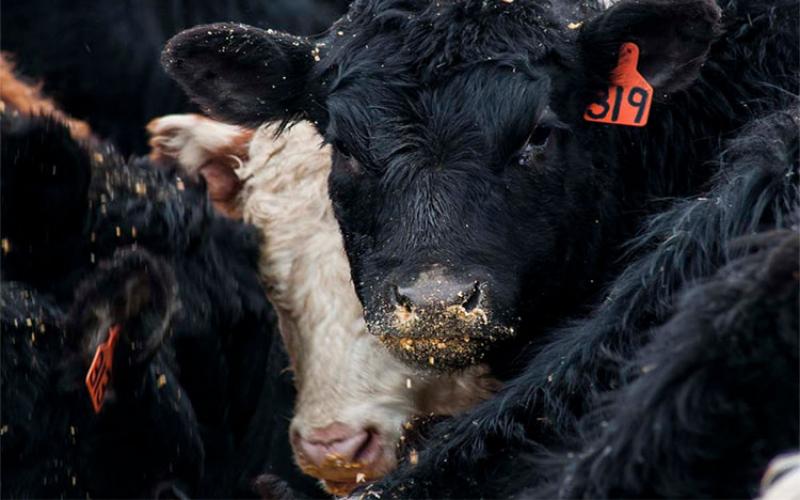
Calf Value Discovery Program
The Calf Value Discovery Program enables cow-calf producers to assess the value of their cattle in value-based marketing systems and gain valuable carcass and feedlot performance information to aid in management decisions and improve profitability.
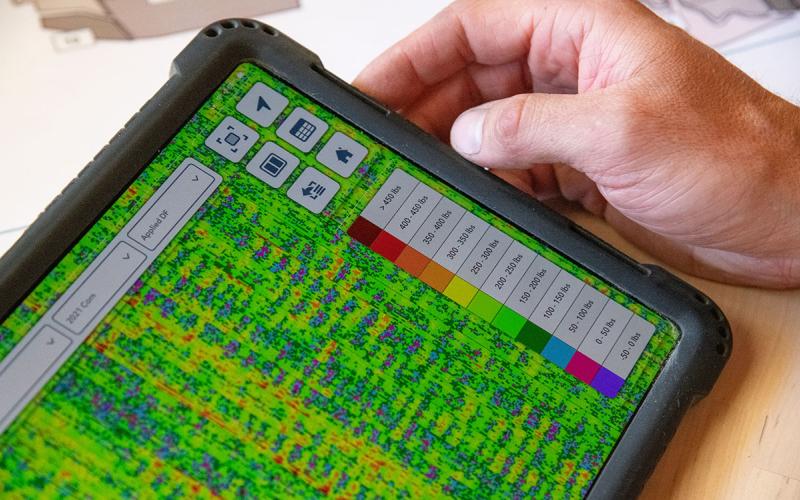
The 5 R’s of Precision Agriculture
Precision agriculture is a management strategy that uses cutting-edge technology to gather, process and analyze information to provide optimized crop inputs. Learn about the five R's that guide its use on farms.
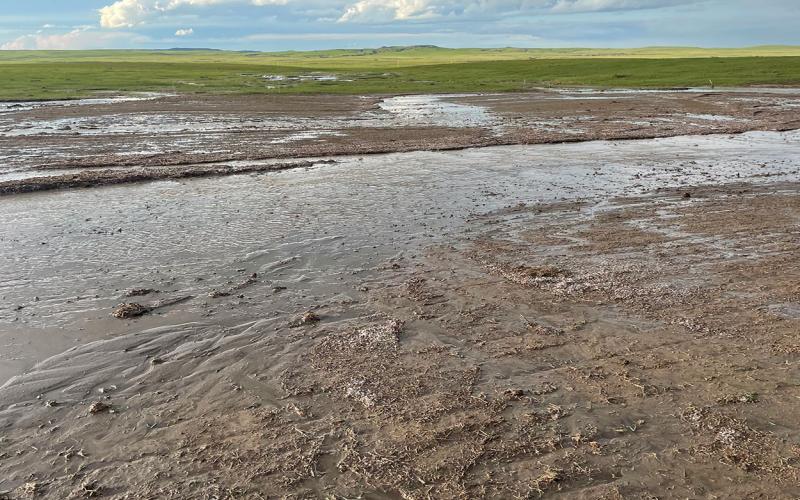
Five Range Management Principles: #4 Residual Forage
Residual forage is the amount of green leaf left after a grazing event. Understanding its importance can help producers capitalize on the symbiotic relationship that occurs when soil health is front and center on rangelands.
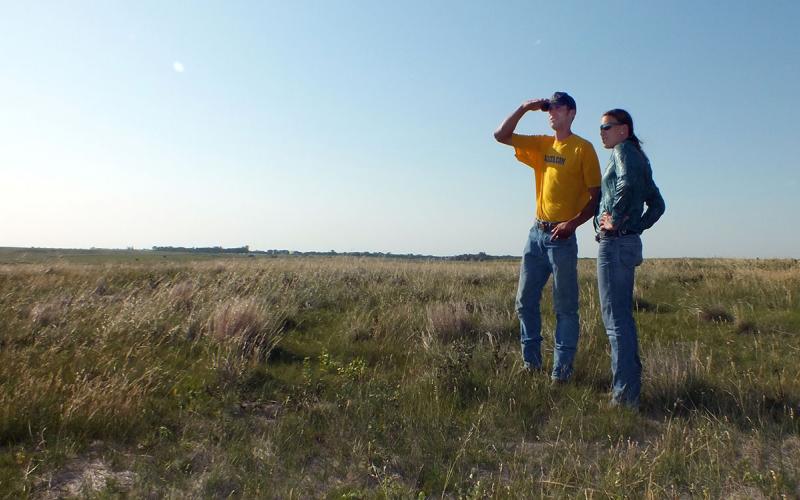
Five Range Management Principles: #1 Adaptive Management
Adaptive management is a process that livestock producers can incorporate into their operation to increase operation flexibility and adjust to changing conditions.
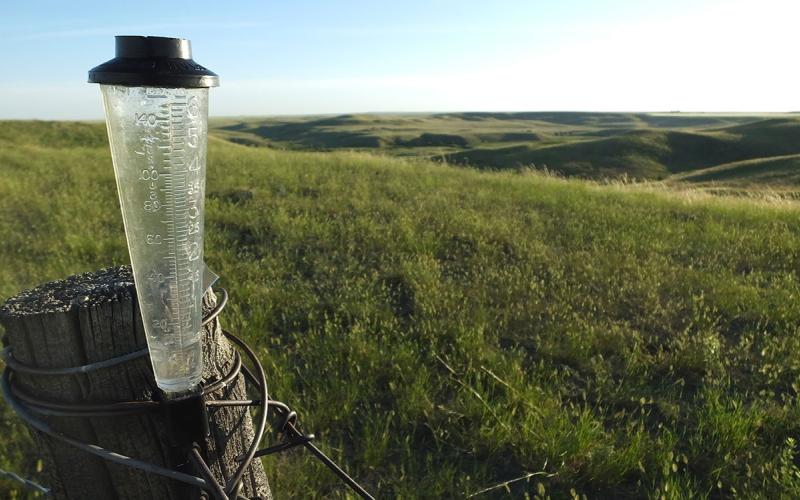
Five Range Management Principles: #5 Climate Ready
Understanding your ranching system is critical, and identifying anticipated soil-plant-animal responses during periods of dry, wet, or normal conditions will enable you to develop climate-ready practices. Learn how to get started today!