Diseases & Disorders
All Diseases & Disorders Content

Gastroesophageal Reflux Disease: What You Need to Know
Do you suffer from constant indigestion or experience symptoms such as heartburn? When this occurs frequently it may be more known as gastroesophageal reflux disease (GERD).
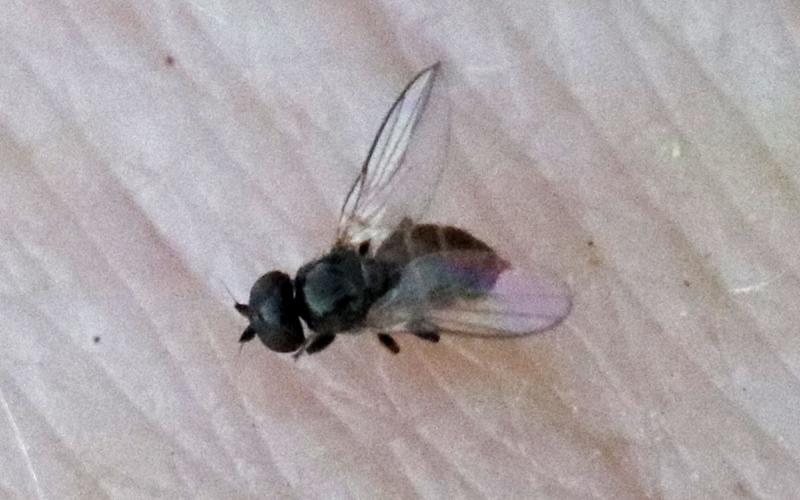
Monitor Livestock, Pets and Yourself for Eye Gnat Activity
While being outside this week, I noticed a lot of small gnats flying around my legs and really bothering my dogs. I caught a few and identified them as eye gnats. Although this pest is considered a nuisance in most cases, it is capable of transmitting diseases and pathogens.
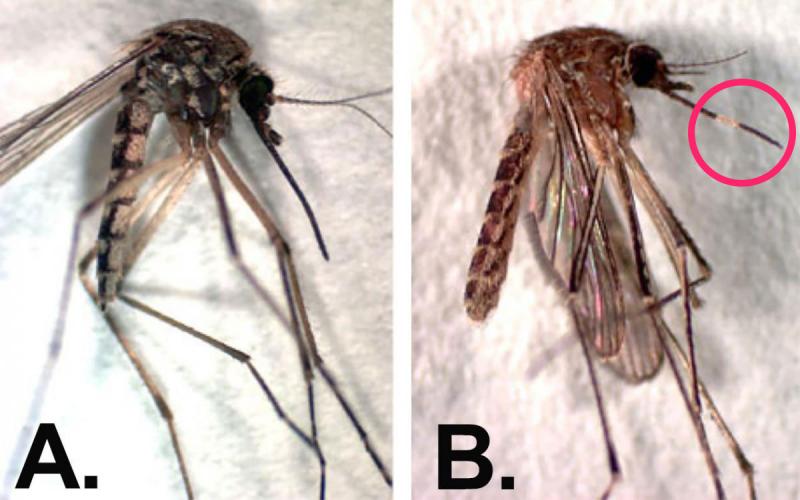
Be Ready for Mosquitos
With the very wet 2019 spring and recent rains, it inevitable that mosquito populations will be high this year. Although there are over 20 species of mosquitoes that call South Dakota home, there are really only two species that account for the majority of observed individuals.
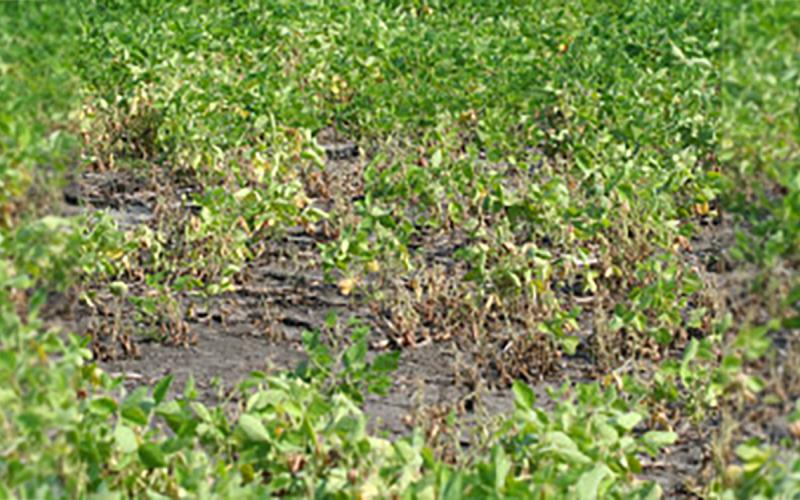
Watch Out for Phytophthora Root and Stem Rot in Soybean
Current weather conditions of continuous rainfall are saturating our fields, which is creating a favorable environment for Phytophthora root and stem rot.
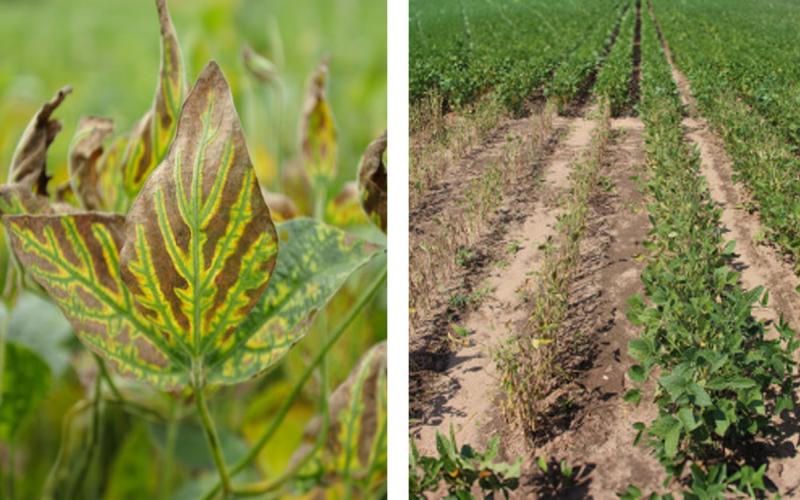
Are You at Risk for Sudden Death Syndrome in Soybean?
The present weather conditions of heavy rainfall and cool temperatures provide a favorable environment for sudden death syndrome in soybeans. Learn some expert tips for identifying and managing it this growing season.

SDSU Extension to host disease management workshops
May 29, 2024
South Dakota State University Extension will continue its 10th anniversary celebration of Better Choices, Better Health-South Dakota with a series of virtual workshops on disease, pain and cancer self-management.

Look Out For Early Season Wheat Diseases
Conditions have been favorable for disease development in South Dakota winter wheat fields, especially for Septoria. It’s important to scout fields to determine what diseases are present before deciding to apply a fungicide early in the season.

SDSU Extension program hosting diabetes self-management workshop in Mitchell
April 11, 2024
South Dakota State University Extension will host a series of Better Choices, Better Health-South Dakota workshops on diabetes management in Mitchell. The workshops are from 9:30 a.m. to noon CDT every Thursday from May 2 to June 6, 2024, at the Mitchell Recreation Center. They are free to attend and registration is required.

Avian Influenza Viruses in Dairy Cows: What is the role of biosecurity?
The recent finding of an avian influenza virus in dairy cows suffering from a previously unknown disease syndrome has brought attention to disease control and detection methods on dairy operations.
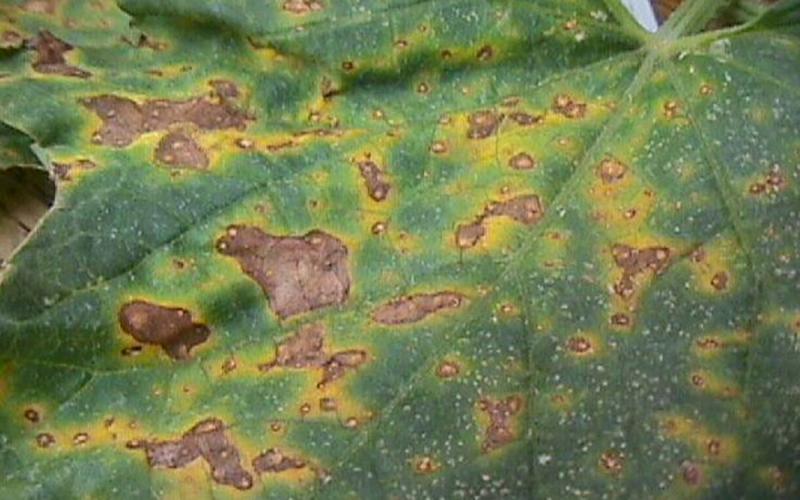
Cucurbit Diseases in South Dakota
Cucurbit crops grown in both the field and in high tunnels face disease pressure from many fungal and bacterial diseases. Learn how to identify and manage some of the most common ones.