Diseases & Disorders
All Diseases & Disorders Content
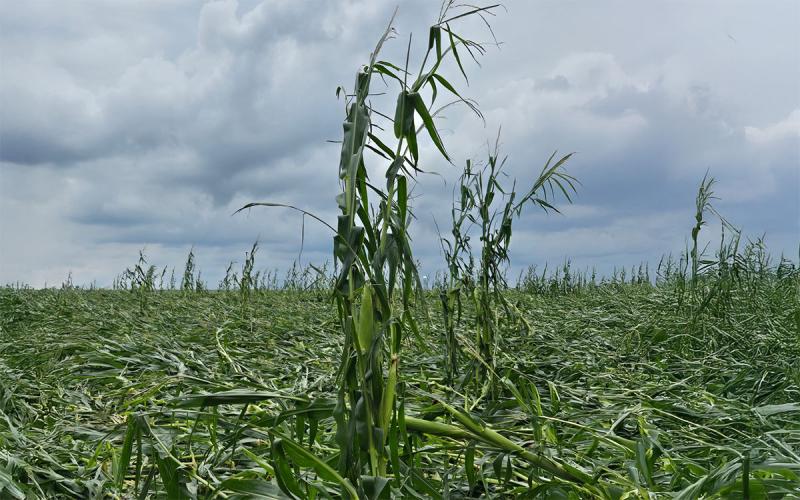
Are Fungicides Needed On Hail-Damaged Crops?
Recent storms brought rain, severe wind, and hail. With the hail and wind damage that occurred, many growers are wondering if a fungicide application is needed to protect their hail or wind-damaged crops.
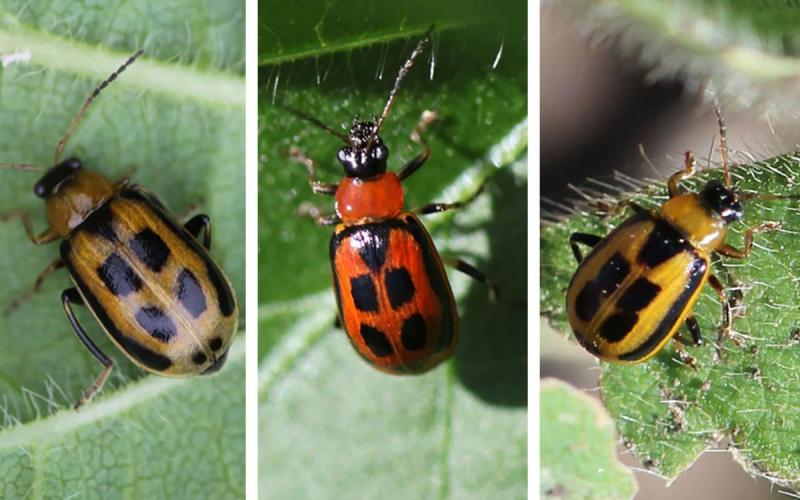
Bean Leaf Beetles Showing Up in Soybean
Despite the prediction of low overwintering survival we have observed bean leaf beetles in soybean this week. See our latest observations and management recommendations.
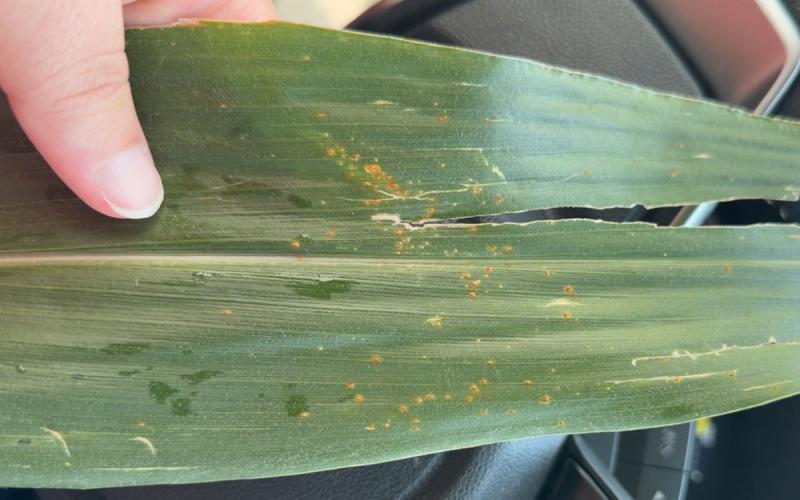
Southern Rust Observed in South Dakota Corn Fields
Southern Rust was recently confirmed in South Dakota corn fields. Yield impacts from Southern Rust can be high, so scouting for the disease is highly encouraged to determine if it is present.
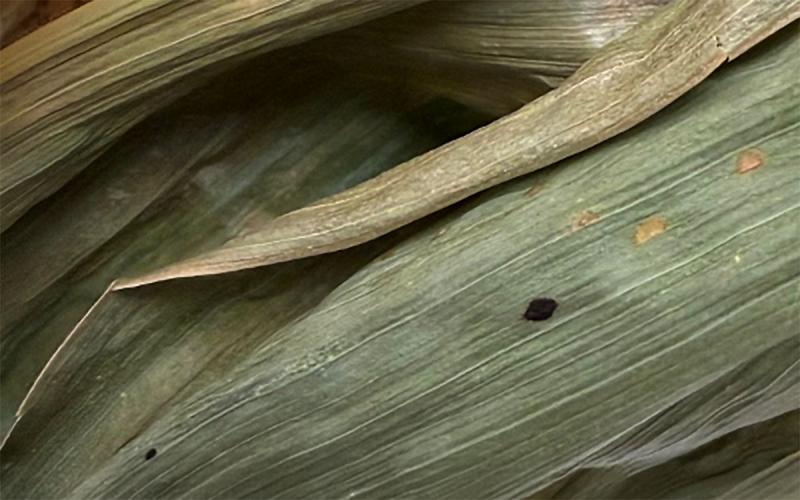
Tar Spot Confirmed in South Dakota
Trace amounts of tar spot were recently found in Yankton and Bon Homme counties and are thought to have originated from corn residue instead of windblown spores. This speaks to the importance of crop rotation in the management of this disease.
Coccidiosis in Lambs
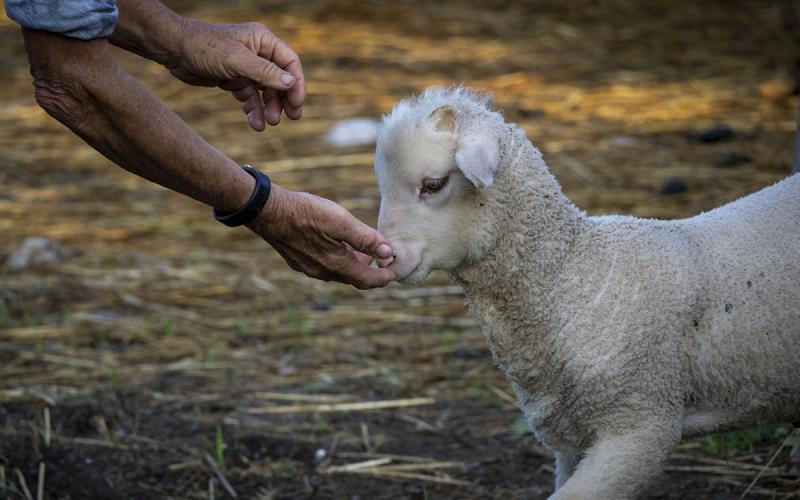
Coccidiosis in lambs is a significant health concern that requires prompt recognition and treatment to minimize its impact. It primarily impacts young lambs, leading to severe gastrointestinal distress and potential economic losses for sheep producers.

Powdery Mildew Presence in Your Garden: How to identify and prevent it
Powdery mildew is a common fungal disease that targets a wide range of hosts. It is important to identify its presence as soon as possible to slow its spread and prevent irreversible damage.
Tetanus: A Storm Aftermath Problem for Animals
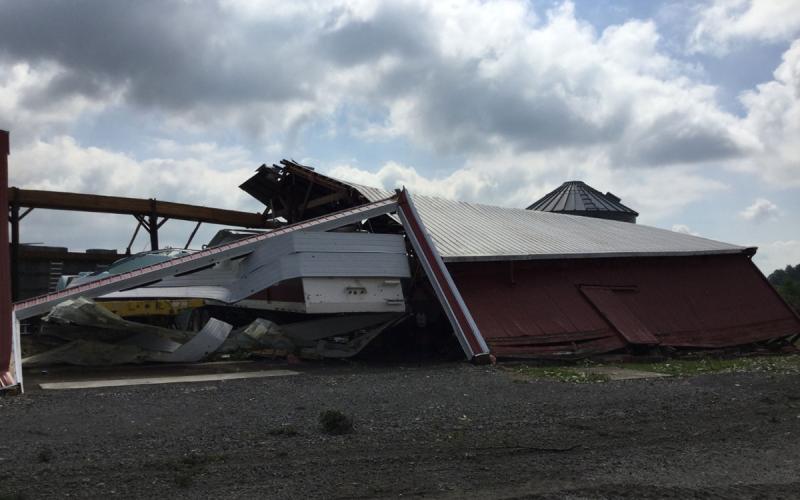
Of all the challenges faced by animal caretakers in the wake of damaging storms, Tetanus is a potentially serious disease that might not appear for days or weeks later. Learn some expert tips for recognizing, treating and preventing it.

Keep Watch: Wheat Streak Mosaic Virus is Developing in South Dakota Fields
Wheat Streak Mosaic Virus has been reported in South Dakota wheat fields and is also a major wheat disease for Great Plains states in 2025. The virus is sweeping across the state and is rampant in winter wheat.

How to Use the South Dakota Mesonet Small Grains Tool
South Dakota Mesonet Small Grains Tool is an easy-to-use and efficient tool that can help identify disease risks associated with wheat leaf rust, wheat leaf spot diseases, and Fusarium head blight.

Fusarium Head Blight Update: May 29, 2025
Fusarium head blight, also known as scab, is a fungal disease that infects wheat heads during flowering. Recent weather conditions across South Dakota have provided the environment needed for Fusarium head blight to begin infection.