Written by Sara Ogan, SDSU Extension Horticulture Assistant, under the direction, contribution, and review of Robin Buterbaugh and Allison Dollen.
In the fall, native aster species are sure to be the star of any garden or prairie. These perennials derive their name from the Greek word “astron” which means star. While the genus name for most native asters has technically changed from Aster to Symphyotrichum, common names for asters remain the same.
Native aster species play an important role as late-season food sources for native pollinators. Asters typically have many blooms at one time, which means insects can conserve energy and feed in one location longer. The shallow, open flowers attract a wide variety of insects and offer a place to land while feeding.
Once considered to be roadside weeds, native asters make a fine addition to gardens and prairies. After establishment, they need little care besides the occasional division (every 1-2 years) to maintain prolific blooming in garden settings. Native aster species and their cultivars can range from 6 inches to 8 feet in height. They are varied in color, form, and depending on the species, can grow in sun, shade, and every location in between.
Native Asters for Gardens and Landscapes
For Rock Gardens or Dry Areas
Heath Aster
Symphyotrichum ericoides
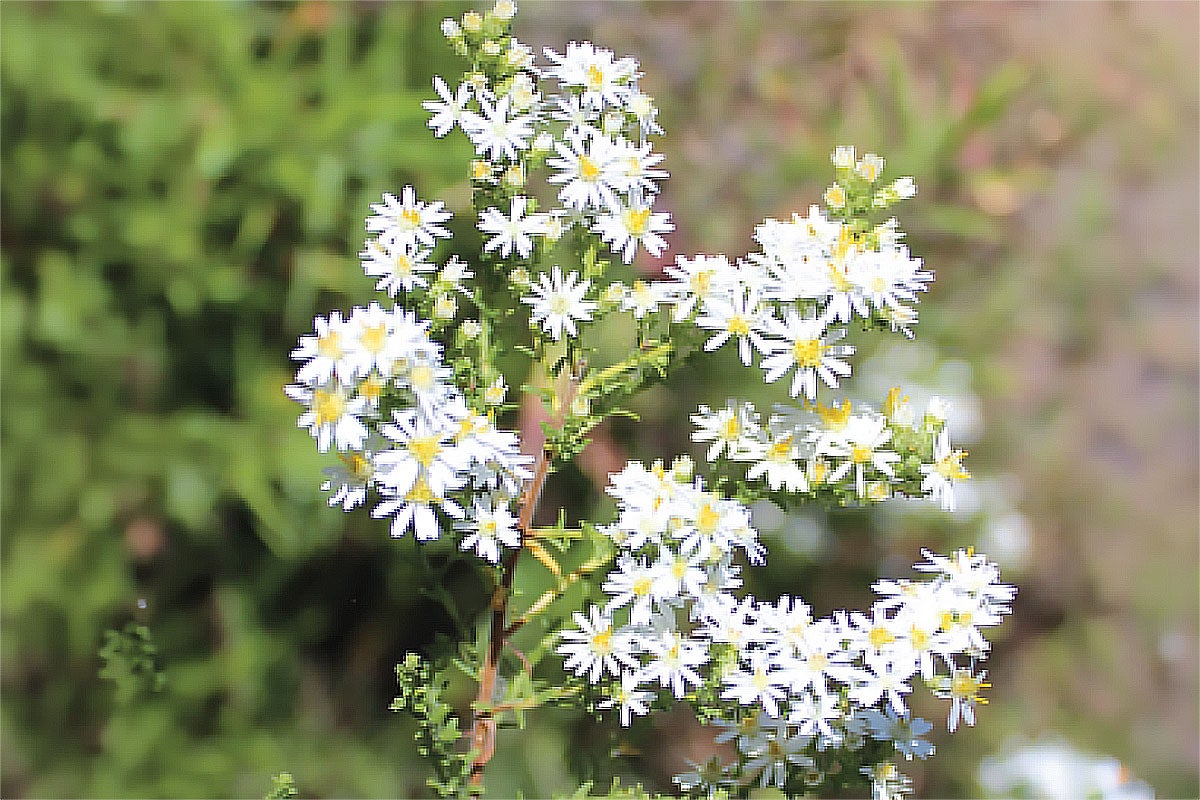
- Height: 1-3 feet
- Bloom Time: August-October
- Flower Color: White
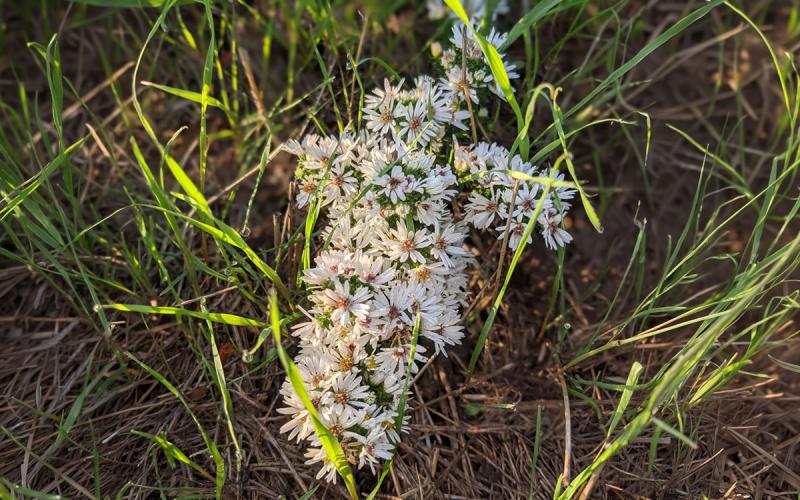
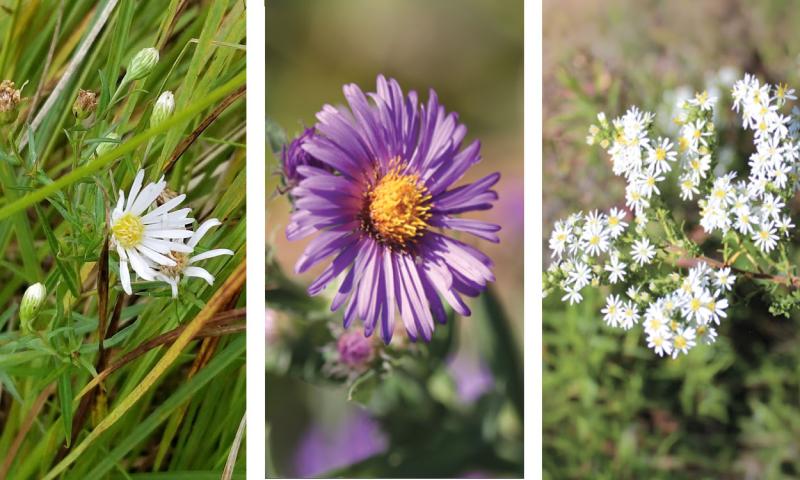
This species has many white flower clusters that branch off slender stems with needle-like leaves. They are commonly used in cut flower arrangements. There are several cultivars available for purchase.
Aromatic Aster
Symphotrichum oblongifolium
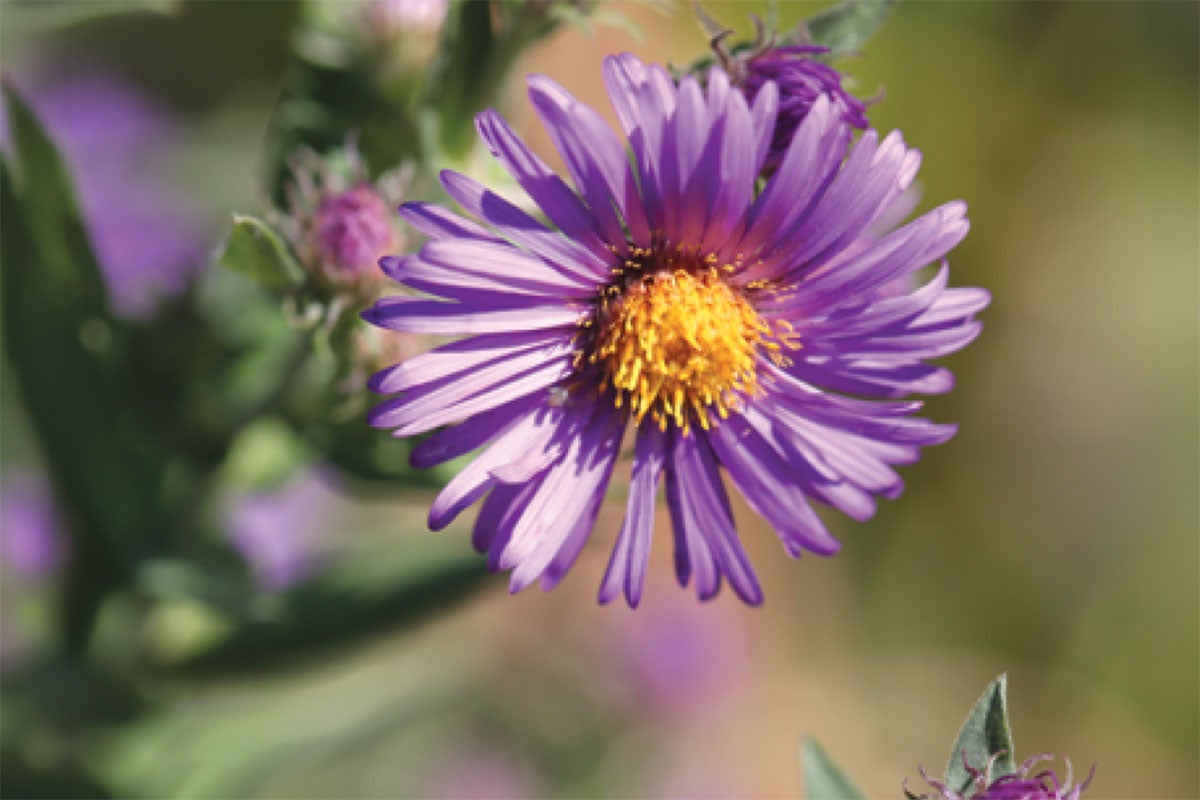
- Height: 1-2 feet
- Bloom Time: September-October
- Flower Color: Purple-blue
The aromatic aster is one of the last to bloom and will have flowers into late October. The name aromatic aster describes the pleasant fragrance of the leaves when crushed.
Silky Aster
Symphyotrichum sericeum
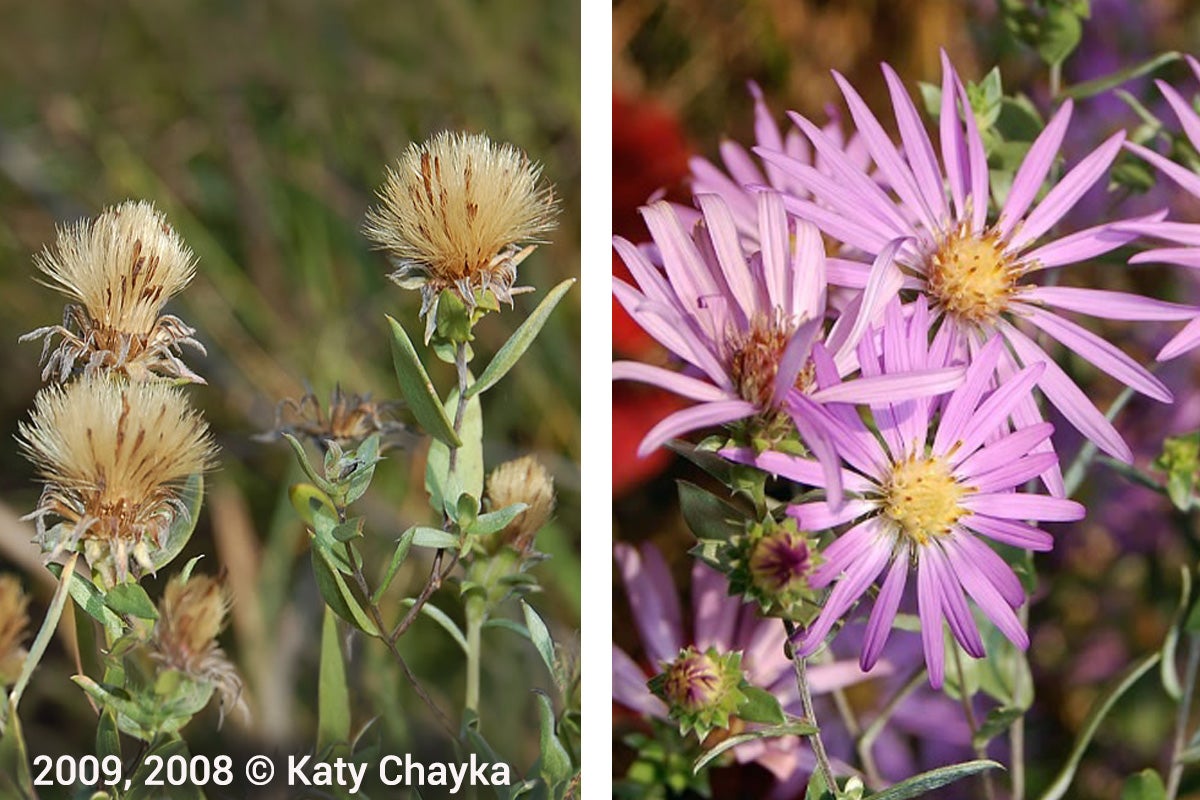
- Height: 1-2 feet
- Bloom Time: August - October
- Flower Color: Pink-Purple
The silky aster can grow in full sun to part shade. Flowers turn reddish brown and offer fall interest in the garden as well as seeds for birds. Leaves are densely covered with silky hair for which the species is named.
For Sunny Garden Sites With Average Soil
White Panicle Aster
Symphyotrichum lanceolatum
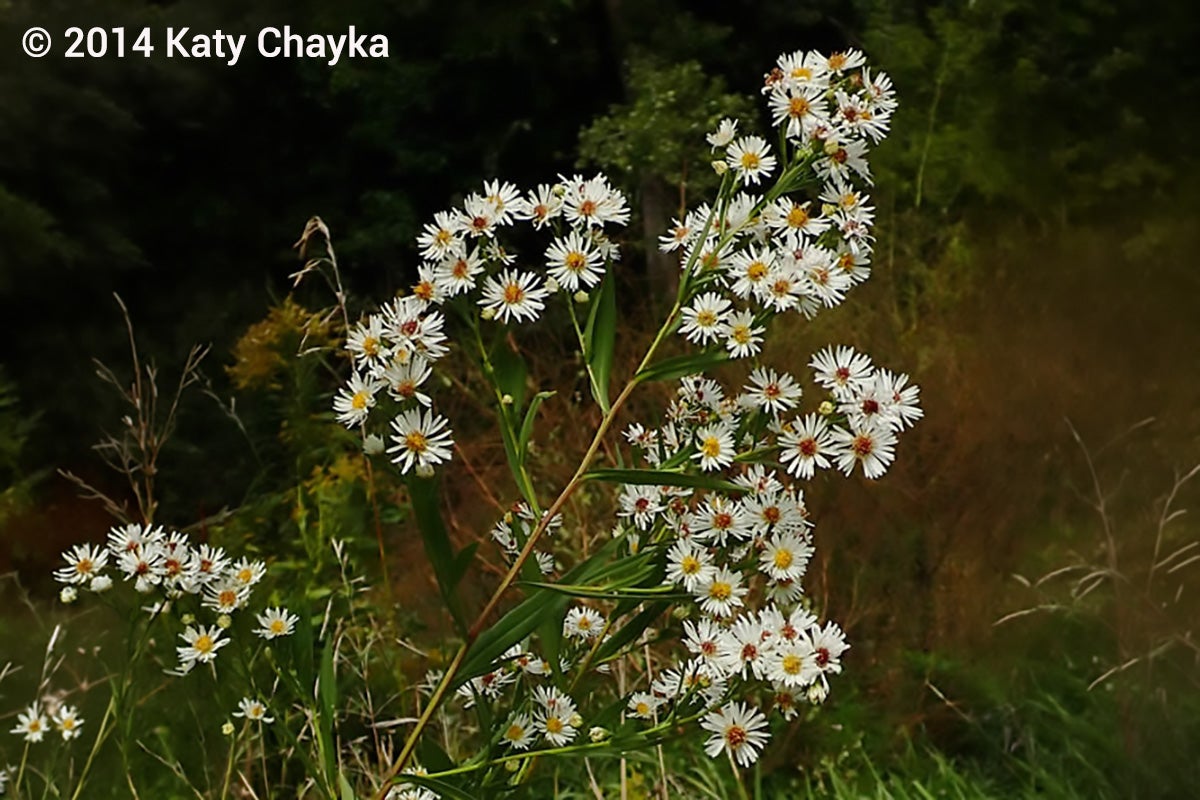
- Height: 2-5 feet
- Bloom Time: July-October
- Flower Color: White
The White panicle aster can have hundreds of flowers per plant, and the plant occasionally flops over due to the weight of the flowering branches. They can be staked or planted within other tall plants for support. With so many flowers, they can spread throughout gardens by re-seeding and colonizing by means of rhizomes. Consider planting them where they have room to spread.
New England Aster
Symphyotrichum novae-angliae
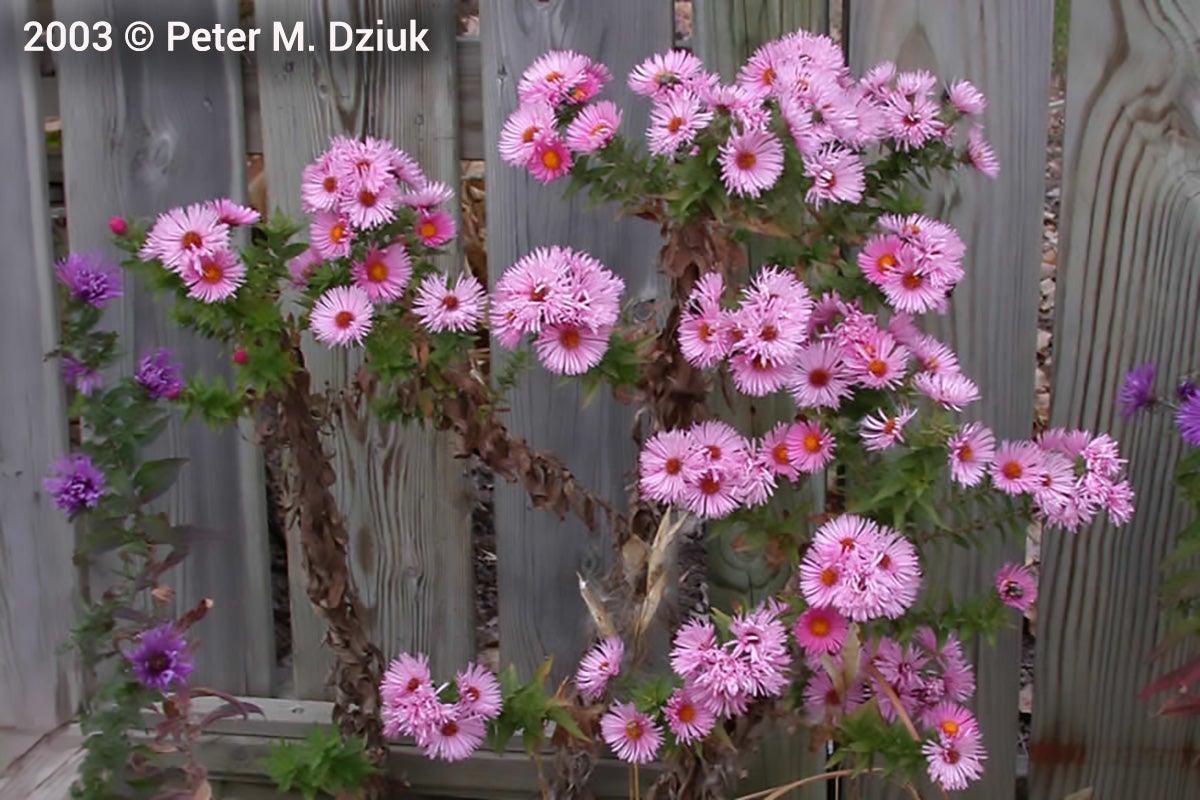
- Height: 3-7 feet
- Bloom Time: August-October
- Flower Color: Purple-pink
The New England Aster has inspired many cultivars with hues from light pink to dark purple. It requires full sun for best flowering but will tolerate partial shade. Each plant boasts 40-100 purple to pink ray flowers surrounding the golden yellow disk flowers.
Smooth Blue Aster
Symphyotrichum laeve
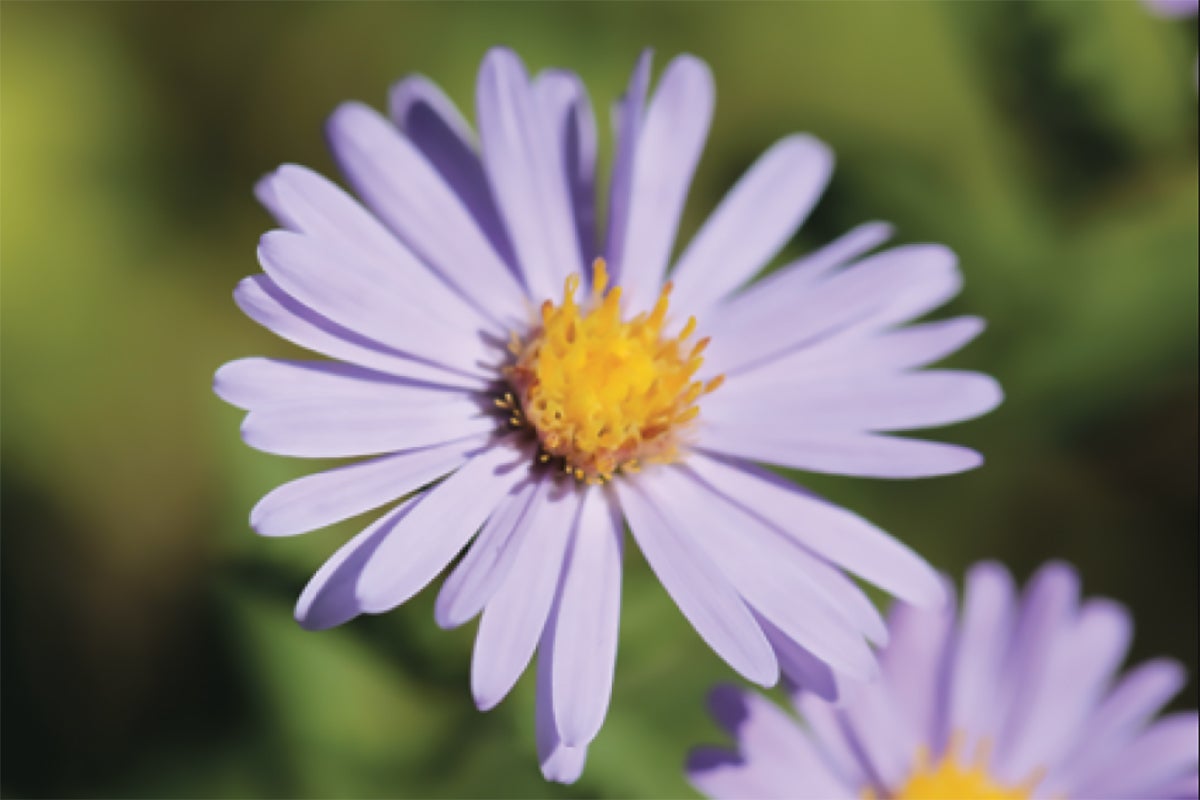
- Height: 1-3 feet
- Bloom Time: August-October
- Flower Color: Blue-purple
This plant’s name is derived from its smooth-textured leaves and its light blue ray flowers. The flowers grow in clusters towards the top of the plant. Once established, it requires minimal care. If a shorter, bushier plant is desired, this species can be cut back by one-third in early summer.
For Shaded, Wooded, and Wet Locations
Shaded, Wooded Areas
Blue Wood Aster
Symphyotrichum cordifolium
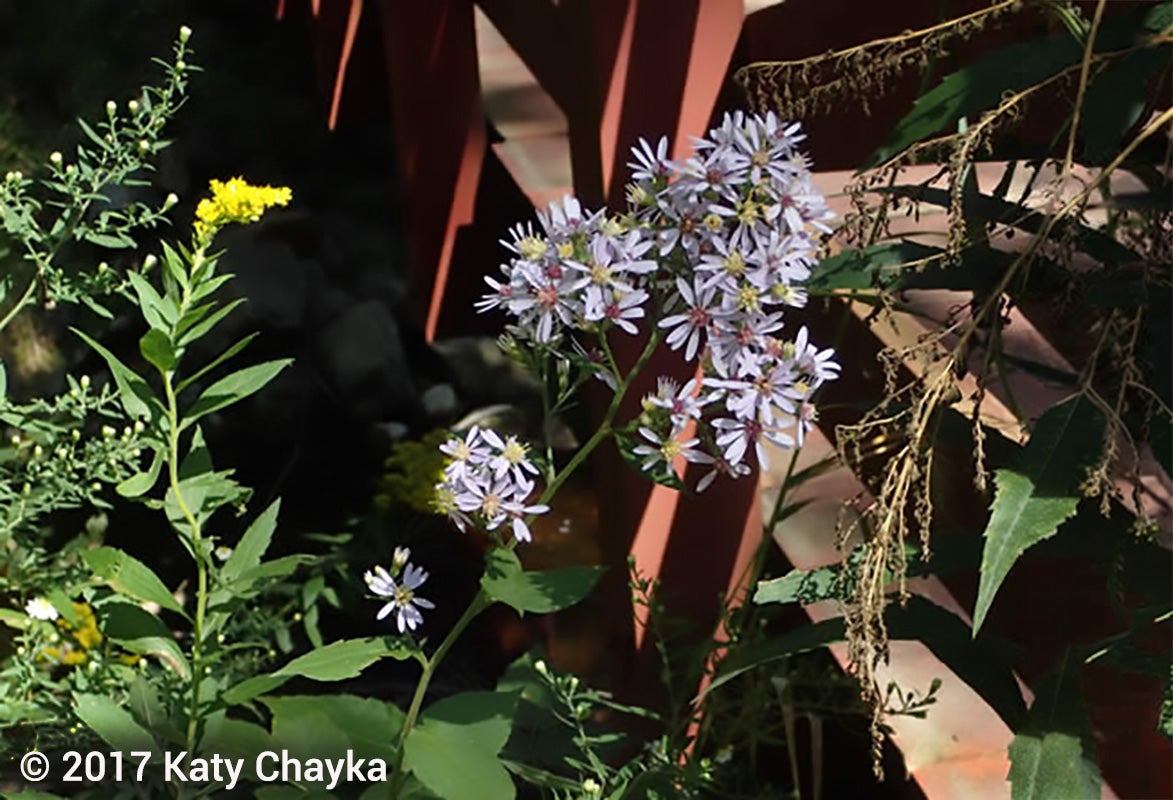
- Height: 1-4 feet
- Bloom Time: August-October
- Flower Color: Pale blue-lavender
The blue wood aster has distinct heart-shaped leaves towards the bottom of the plant while upper leaves are more elliptical. The flowers are small but profuse, and each plant can have 20-300 flowering branches.
Shaded, Moist Gardens
Calico Aster
Symphyotrichum lateriflorum
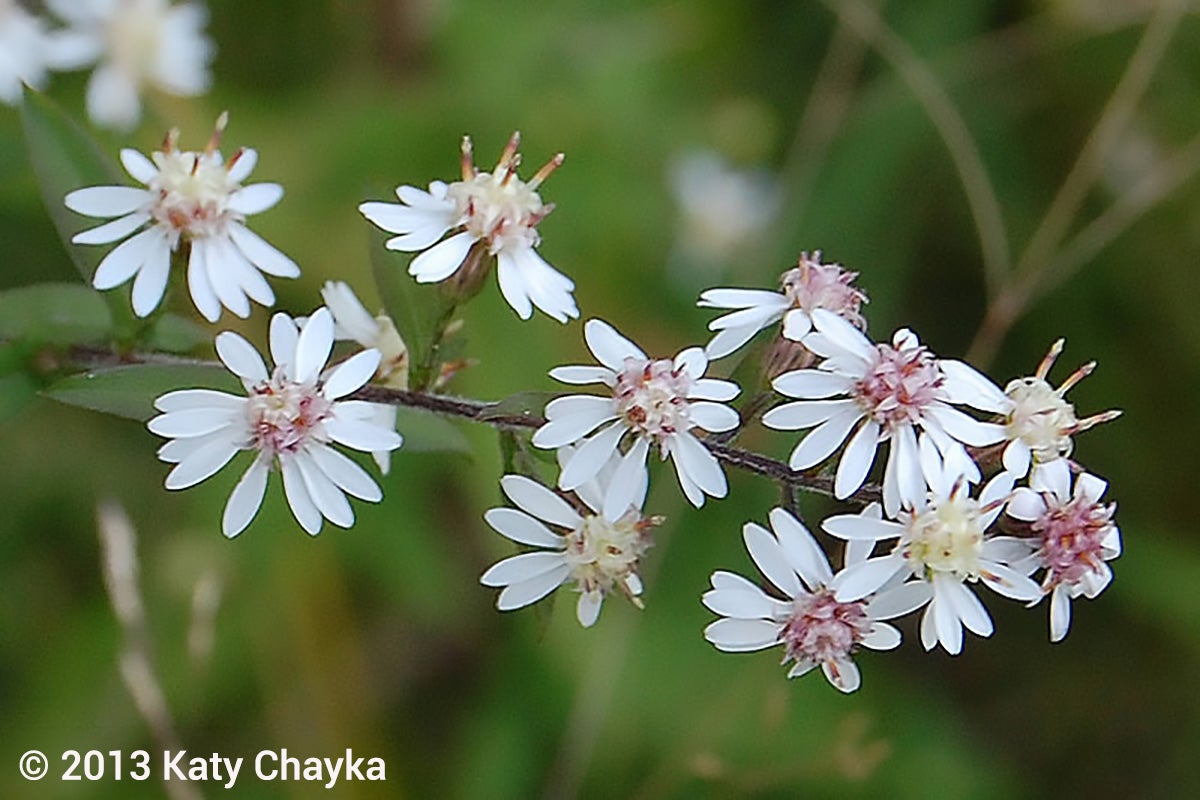
- Height: 1-4 feet
- Bloom Time: August-October
- Flower Color: White
The varied colors of disk flowers are what give this aster the calico appearance for which it is named. This species is also known as the “side-flowering aster” because flowers only grow on one side of the stem. These asters grow well in moist, well-drained soils, so watering may be necessary in drought conditions.
Moist Gardens & Wetlands
Northern Bog Aster
Symphyotrichum boreale
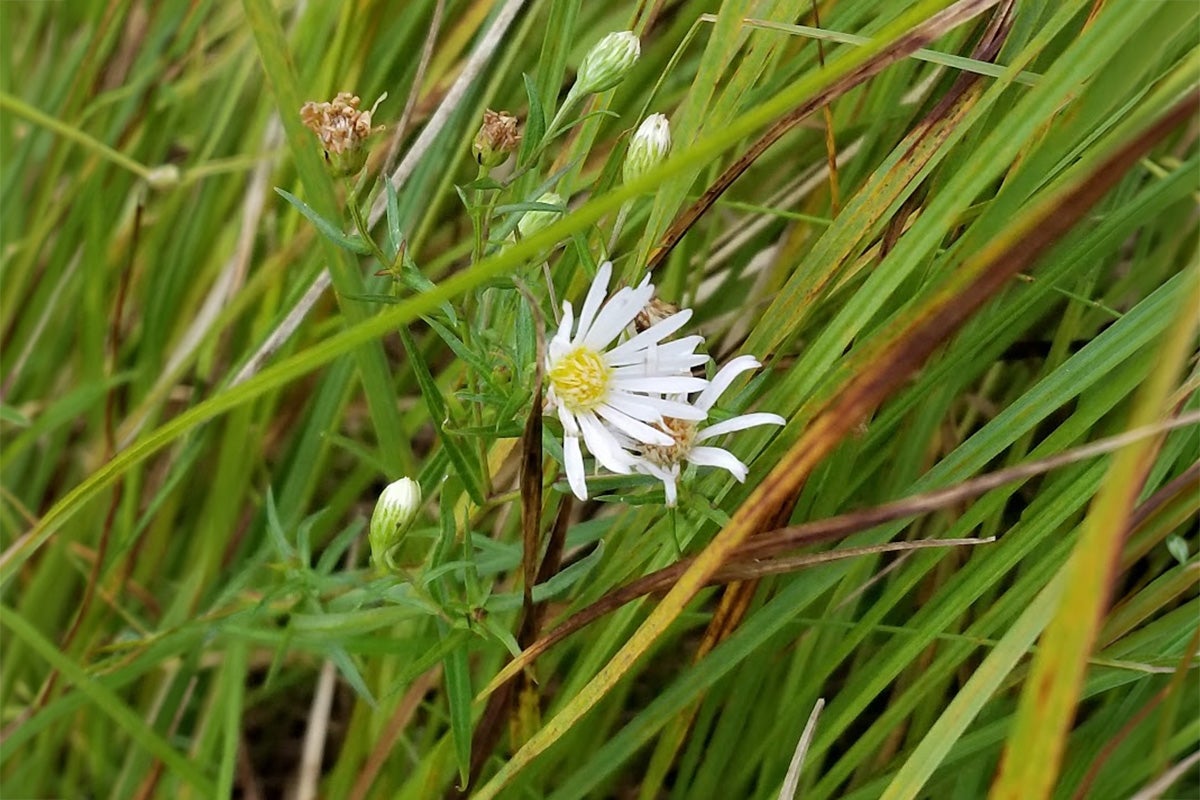
- Height: 6-36 inches
- Bloom Time: July-October
- Flower Color: White-pale pink-lavender
Found primarily in wetlands, this aster is slender in form and produces fewer flowers than other asters. The light-colored ray flowers are longer in length than other asters.
In Summary
Asters are a great addition to any pollinator garden or prairie. With thoughtful selection, gardeners can have asters blooming from late summer through late fall providing essential forage for pollinators when resources are low. Planting a variety of other structural support plants around the taller asters will keep them looking their best.