Content by Robin Salverson
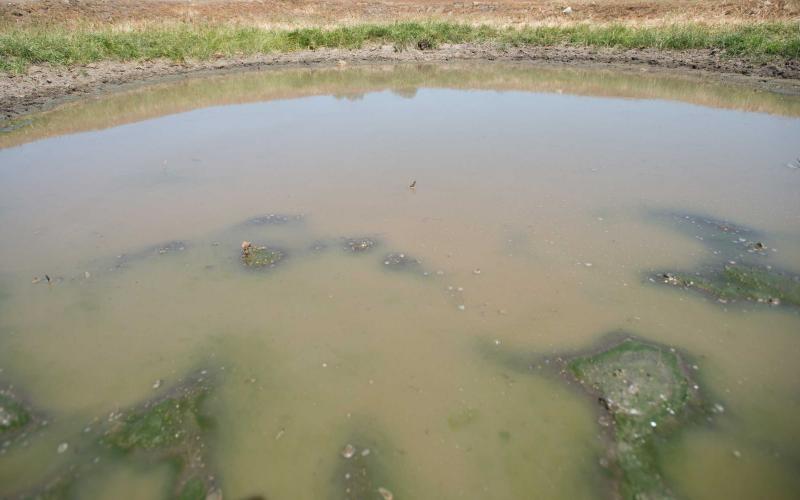
How Important Is Water Quality to Livestock?
Water is the most important nutrient to all livestock animals and is sometimes overlooked. Poor quality water can have a negative effect on growth, reproduction, and general productivity of the animal.
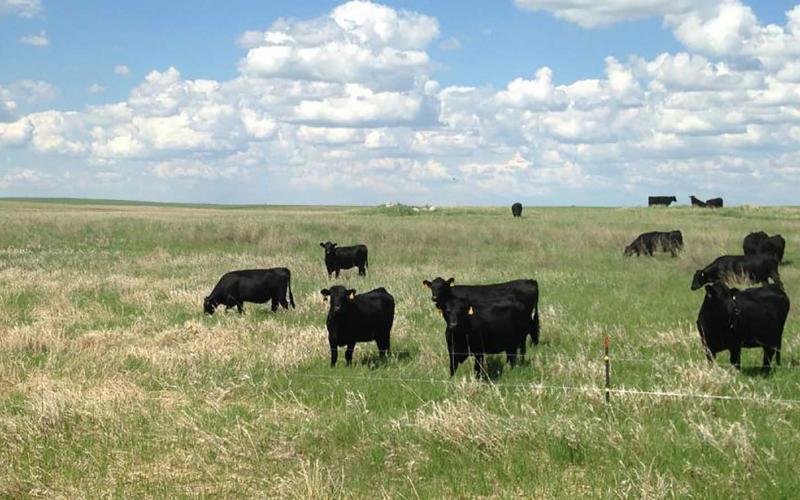
Rancher’s Perspective on Challenging Heifers
This article will share a rancher’s perspective on challenging heifers during the breeding season in Northwestern South Dakota.
Feed & Water Testing Laboratories
A partial listing of available feed testing laboratories.
Social Distancing for Livestock Producers
Living in rural South Dakota, we have an advantage of social distancing ourselves from others. However, there are normal activities we are used to doing that will need to be adjusted for everyone’s safety this year. As you plan your spring livestock work, here are some things to keep in mind and practice for your own safety and the safety of your community members.
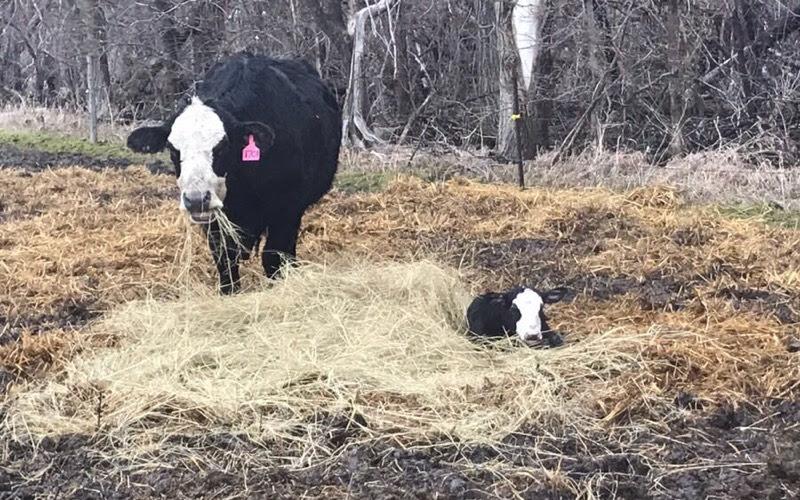
Planning for a Muddy Breeding Season
Early calving spring cow herds have wrapped up calving and are preparing for breeding season. If you are having flashbacks to breeding in the mud of 2018, try approaching this year with an open mind and review breeding season protocols with a “mud” backup plan.
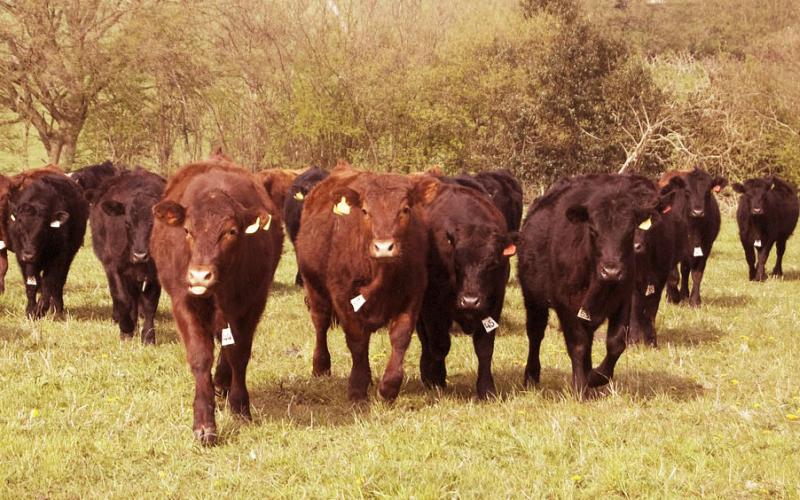
Early Weaning: Impact on Replacement Heifers
Early weaning calves is a common practice for managing through a drought. However, how does early weaning affect the heifers meant for replacements?
Livestock Emergency Response Planning (LERP)
The scene of an accident is not the place to build your team!
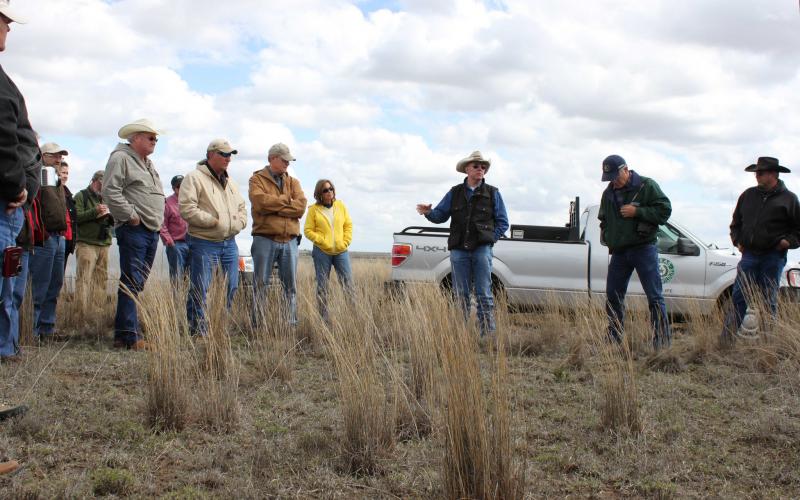
Advocacy in the Beef Industry
Two speakers at the Range Beef Cow Symposium addressed today’s issue of disconnect between consumers and producers. With the majority of the population being at least three generations removed from the family farm, it is important for farmers and ranchers to tell their story and help the consumer understand how their food is produced.
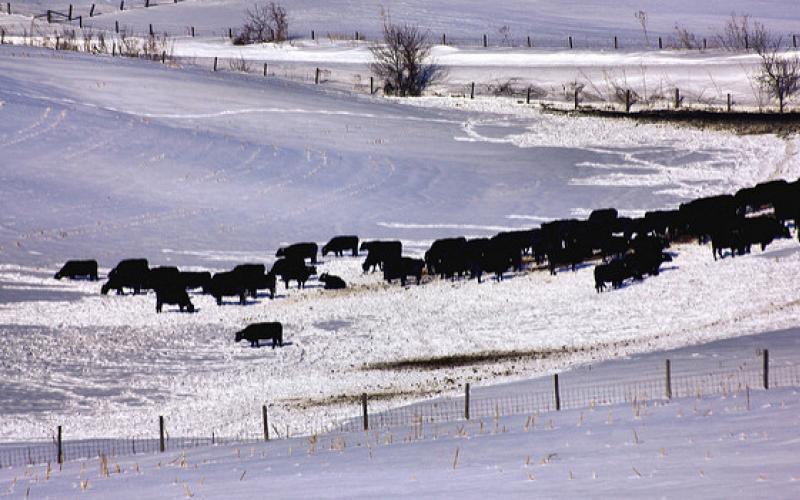
Do You Have To Defer Grazing on Winter Pastures?
How can ranchers improve profitability when feed typically represents well over half of cow-calf production costs? Grazing dormant winter range is a common practice to reduce costs in South Dakota. Grazing winter range when plants are completely dormant minimizes negative impacts on the function of the plant during the growing season. Separate pastures are typically designated for winter use only, often based on availability of winter shelter, water and access to stored feeds.