Content by SDSU Extension

Keeping Health at the Forefront as a Busy Parent
It’s Monday, after a busy weekend traveling to sporting and school events, family gatherings and catching up on housework, an overwhelming feeling of stress and inorganization fills your mind. Your time is stretched thin and thinking about how to keep your children’s eating and exercise habits a priority, as well as your own, is something that feels too complicated and requires too much of your time.
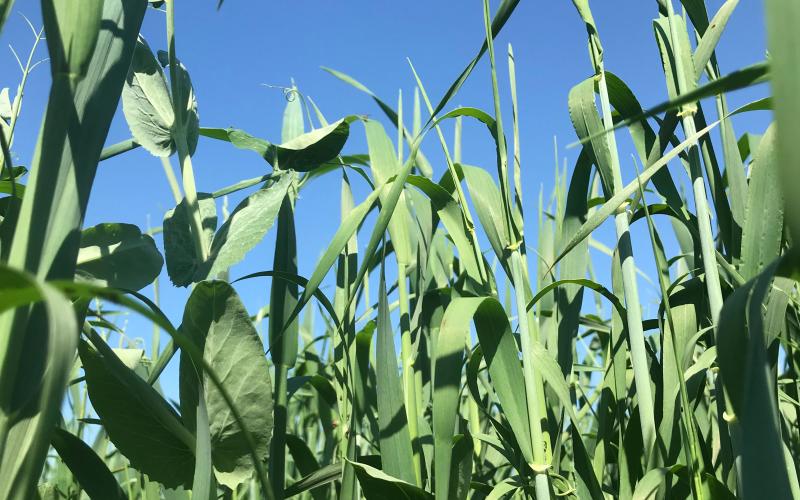
Buying or Selling Oats for a Cover Crop? Be Sure to Follow the Rules
As a challenging 2019 row crop planting season wraps up in South Dakota, many producers are looking to plant cover crops on unplanted acres. One popular cool-season grass cover crop is oats. Most oats in South Dakota are grown as certified varieties, and it is important to be aware of the legal ramifications behind purchasing oat seed for use as a cover crop.
Ditch Hay: Harvesting, Quality, and Feeding
Using ditch hay to feed cattle is a common practice across the U.S. It provides livestock producers with a source of readily available forage, which can be very useful, particularly during feed shortages.
Iron: An Important Mineral
You may have heard or know someone who always speaks about being fatigued, weaker than they once were, or have a difficult time regulating their body temperature. There is a chance that they may be iron deficient.
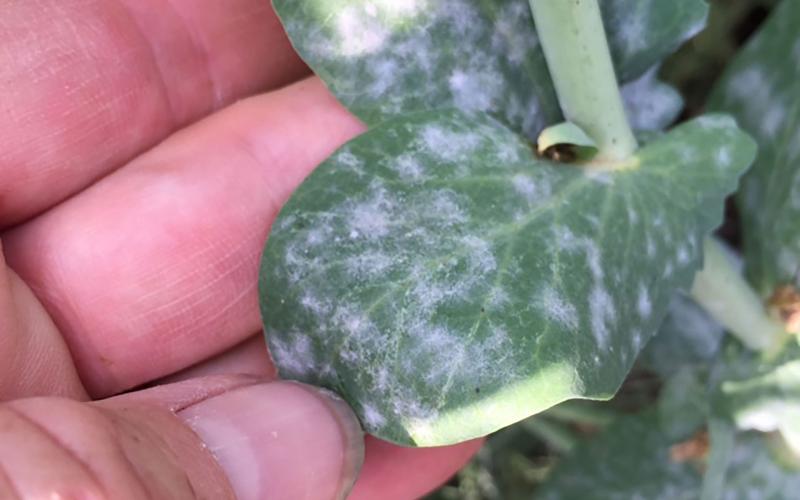
Powdery Mildew: A Disease Concern in Field Peas
Producers of field peas may need to scout for powdery mildew this year. Powdery mildew is a late-season fungal disease that can impact peas if weather conditions are conducive. However, this disease can also occur in early planted fields in South Dakota under the right environmental conditions and when the crop canopy is heavy.
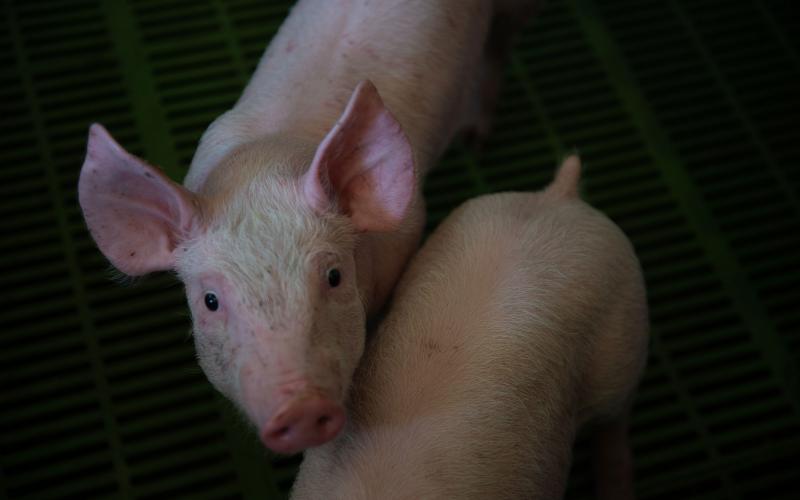
Creating a Secure Pork Supply Plan
African Swine Fever and preparing for foreign animal disease outbreaks is at the forefront of people’s minds. Your state animal health officials offer guidance for participating in the Secure Pork Supply (SPS) Plan. Let’s take a closer look at the critical steps in developing a personalized SPS Plan for Continuity of Business.
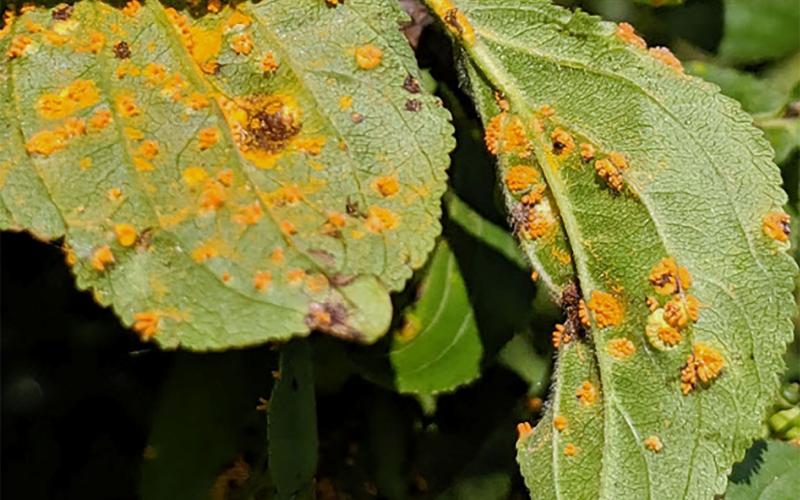
Oats Crown Rust Inoculum Abundant This Year
Crown rust is the most important fungal disease of oats in South Dakota. In years with heavy disease pressure, susceptible cultivars can have over 80% yield loss due to crown rust. The presence of crown rust inoculum on buckthorns can be an indication of the likely risk for crown rust to develop during the growing season. Buckthorns scouted recently were loaded with crown rust inoculum.
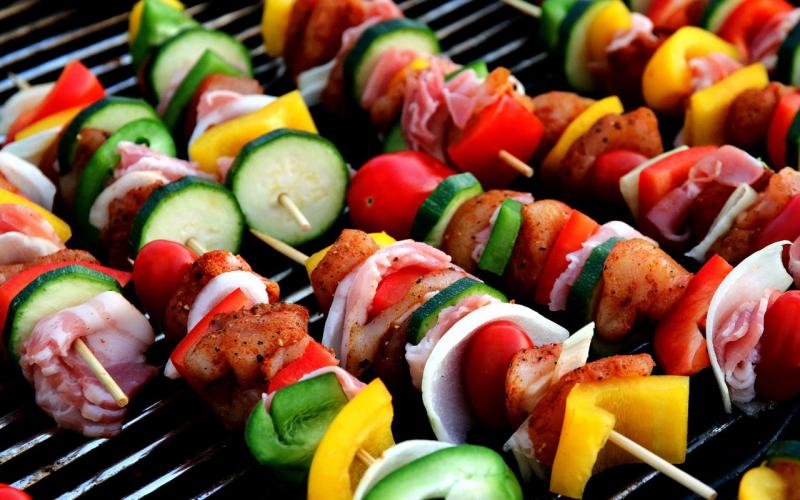
Get Ready for Grilling Season
Spring and warmer weather is here, which means it’s time to dig the grill out and start cooking! Some might think grilled food can be only enjoyed in the warm months, but grilling can be done any time of the year. Grilling offers a delicious, healthy way to cook food!
![A herd of cattle gather around a stock pond on a vast, lush grassland. Courtesy: USDA [CC BY 2.0]](/sites/default/files/styles/teaser_800x500/public/2019-05/W-00231-00-cattle-grazing-grassland-pasture-range.jpg?h=8f818b46&itok=6GS1_Ww0)
2017 Weed Control: Pasture and Range
There are 24 million acres of native and tame pasture and range as well as 1.4 million acres of grass hayland in South Dakota.
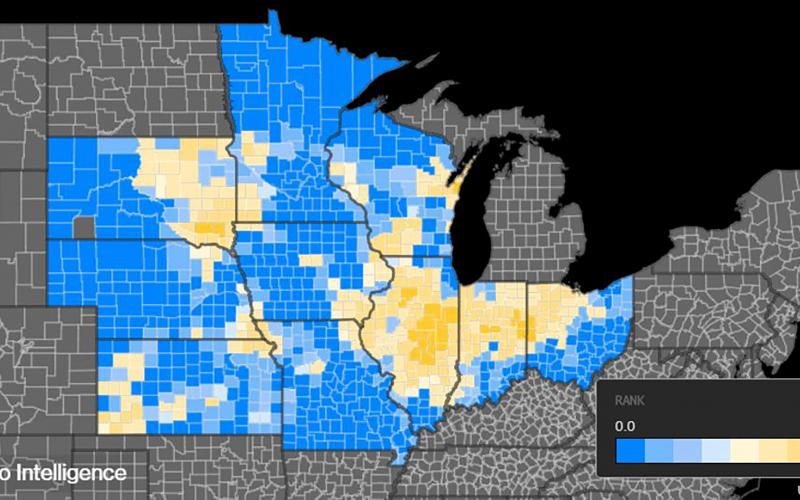
Stretching Corn Silage Supplies
During the 2002 drought there was a need to stretch corn silage supplies as a result of the drought that affected the U.S. Now we deal with the opposite scenario, where excessive spring rains have not allowed farmers to get to the fields. In both situations livestock producers face challenges.