Content by Parker Witt

Hidden Dangers of Prussic Acid
Prussic acid is a herbivory defense mechanism used by numerous plant species, but is most-associated with sorghum and sudangrass hybrids. While the risk of prussic acid poisoning is greatest in sorghum species, several additional species present across South Dakota can produce prussic acid at varying levels of concern.
End-of-Season Alfalfa Management
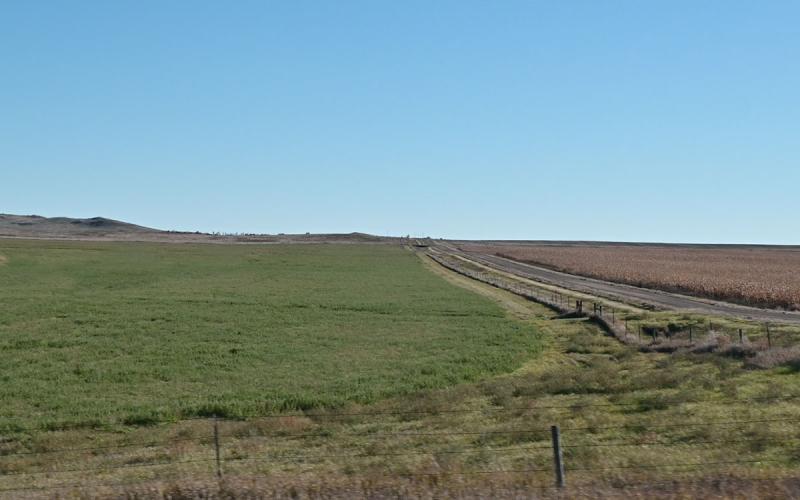
It's time to plan our end-of-season alfalfa management strategy, and with it come the questions: 'Should I make another cutting?' 'When should I cut?' and 'How much time does my stand have left?'

Should We Sell Corn Stalks?
Grazing and baling corn stalks may have financial and agronomic benefits for the landowner and provide feed resources for cattle producers. Learn how to determine if it's the right decision for your operation.
Forage Crop Insurance Options
In this episode of Cattle HQ, Kim Ricardo, SDSU Extension Forage Field Specialist, and Parker Witt, SDSU Extension Crop-Livestock Systems Field Specialist, sit down with Dr. Matthew Diersen, SDSU Extension Risk and Business Management Specialist, and Dr. Sarah Sellars, SDSU Extension Sustainable Farm and Food Systems Specialist, to discuss forage crop insurance programs and the benefits they can bring to operations experiencing extended dry periods.
Cover Crop Grazing Windows for South Dakota Crop Rotations
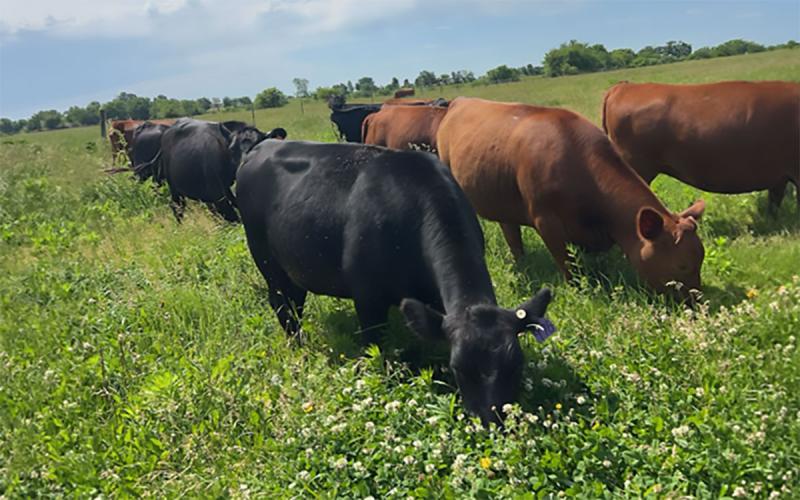
This guide is intended for livestock producers and crop producers interested in integrating cover crop grazing into cash crop systems. Recommendations identify opportunities for both fall grazing of rapidly establishing annuals and spring grazing of overwintering species, helping extend grazing seasons, reduce harvested feed costs, and improve nutrient cycling within crop rotations.
Managing Nitrates
In this episode of Cattle HQ, Kim Ricardo, SDSU Extension Forage Field Specialist, Taylor Grussing, SDSU Extension Cow/Calf Field Specialist, Robin Salverson, SDSU Extension Cow/Calf Field Specialist and Parker Witt, SDSU Extension Crop-Livestock Systems Field Specialist discuss current climate conditions and how they may influence forage and feed management decisions.
Multi-Species Grazing and Integrated Livestock Systems
In this episode of Cattle HQ, we visited with Jaelyn Whaley and Dave Ollila to discuss multi-species livestock integration and how sheep and cattle can work together to improve grazing management, forage utilization, and overall ranch resilience. Drawing from both Extension and producer perspectives, the conversation explores the opportunities, challenges, and practical considerations involved in incorporating sheep into grazing systems.

SDSU Extension encourages testing forage nitrate levels
June 11, 2026
South Dakota State University Extension is encouraging producers to test the nitrate levels in their forages.
How to Test Hay and Forage for Nitrate Levels Using Test Strips
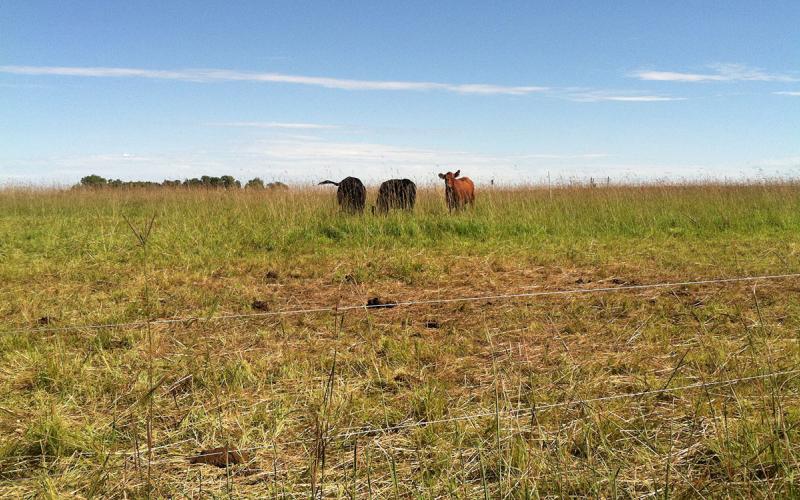
Step-by-step instructions for how to complete Nitrate testing for forage and hay.

Drought-Stressed Forage: Nitrate Considerations
While drought-stressed forages can provide valuable feed, they may also carry an increased risk of nitrate accumulation. Producers should be aware of before grazing, harvesting, and feeding these forages.