Content by Clarence Winter

2026 Harvesting Order for Weed Management
The 2026 growing season was abnormally hot and dry, which may have reduced the number of weed flushes witnessed this year.
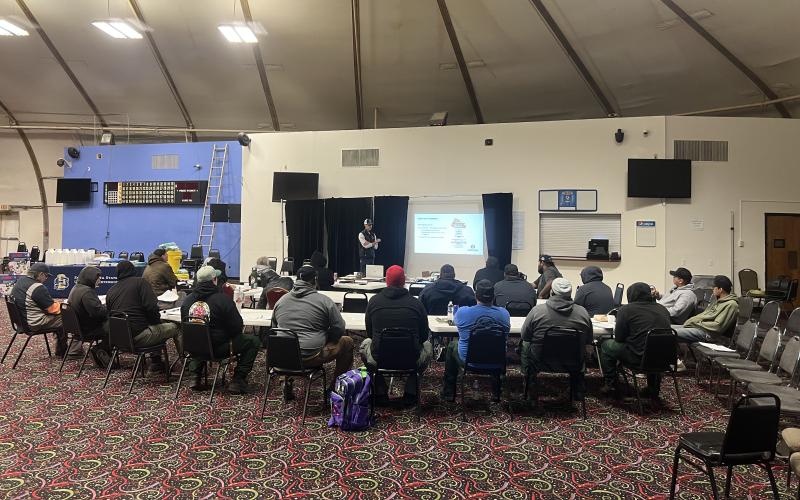
Pine Ridge & Rosebud Pesticide Applicator Training
SDSU Extension will host a pesticide applicator training provided to the Pine Ridge and Rosebud communities, held at Crossroads Inn & Annex (102 1st Ave, Martin, SD 57551) on October 20 and 21, 2026.
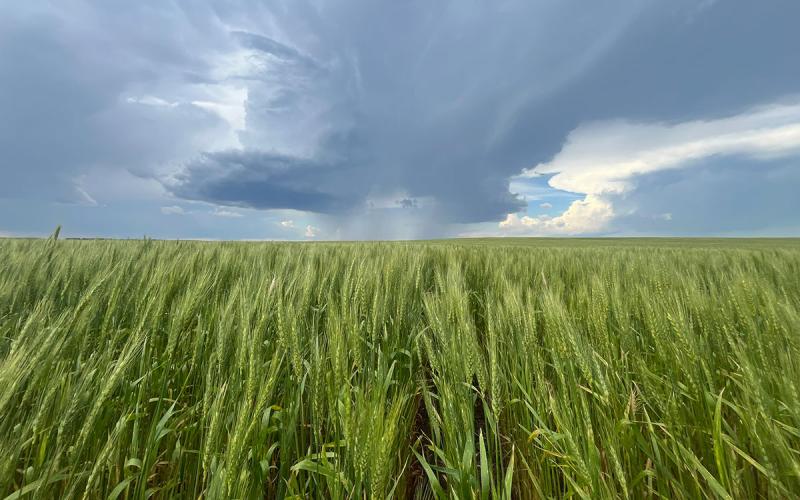
Winter Wheat and Nitrogen: Decisions for the 2027 Growing Season
Producers cannot control fertilizer or grain markets, but they can control how efficiently nitrogen is used on their farms. Learn some key strategies and considerations for the 2027 growing season.
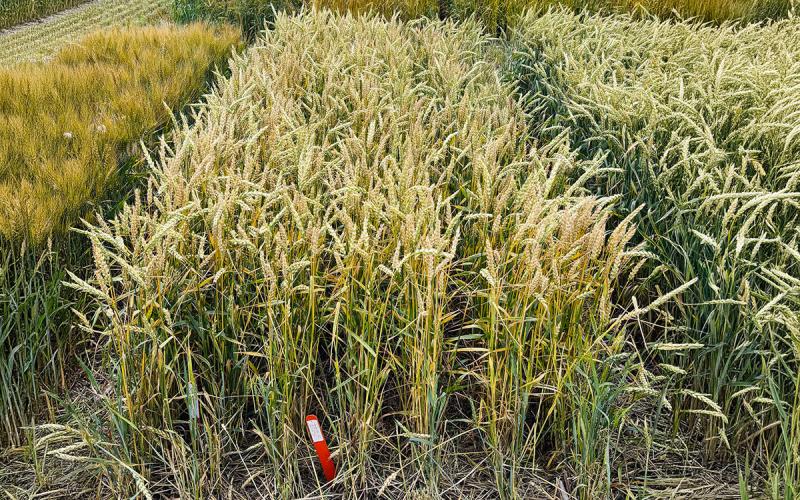
Utilizing Cool-Season Crops for Weed Management
For producers facing increasing challenges from herbicide-resistant Palmer amaranth or waterhemp, incorporating a cool-season crop can provide another tool for diversifying weed management.
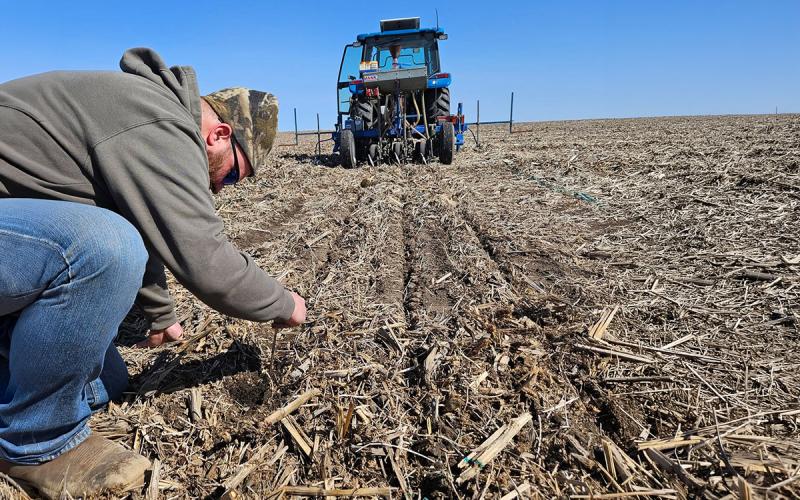
Does It Pay to Build Up Soil Phosphorus in High-pH Fields?
In high-pH soils, Phosphorus fertilizer can react with calcium already in the soil and form compounds that crops cannot easily use. It means that applied Phosphorus fertilizer can become “tied up” in the soil, leaving many farmers wondering whether the fertilizer they pay for is really working for them.
SDSU Extension invites public to annual Draper Winter Wheat meeting
August 13, 2026
South Dakota State University Extension invites producers and community members to the 37th annual Winter Wheat Meeting in Draper on Aug. 27, 2026.

Sunflower Production: Late-Season Weed Escapes Should Guide Future Weed Management Plans
Many sunflower fields across the state are far enough along in their development that the window for preventing weeds with residual herbicides has passed. Weed escapes that remain in the field through the remainder of the growing season can contribute seed back to the soil seedbank.
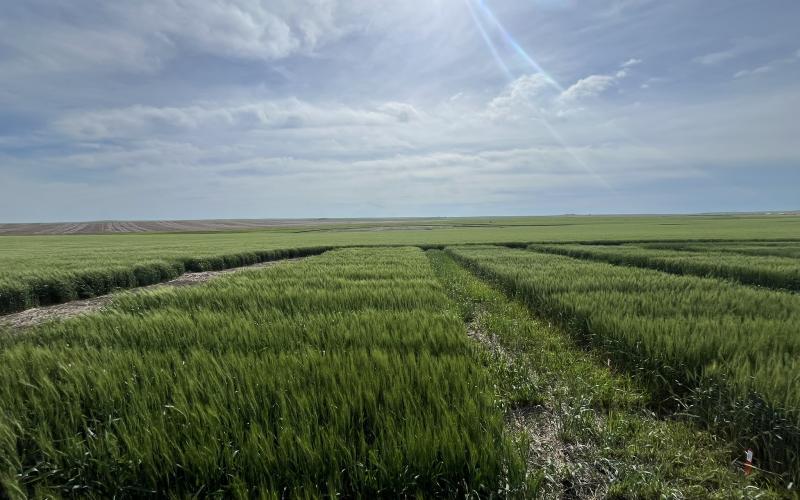
SDSU Extension invites public to free spring wheat field tours
June 22, 2026
South Dakota State University Extension invites all wheat producers, agronomists and agricultural professionals to attend the upcoming Spring Wheat Variety Tours on June 29, 2026.
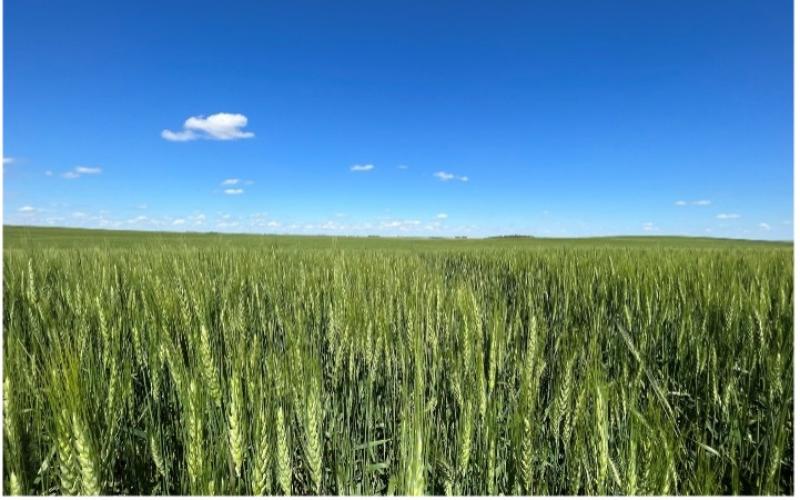
SDSU Extension invites public to free Winter Wheat field tours
June 04, 2026
South Dakota State University Extension invites all wheat producers, agronomists and agricultural professionals to attend the upcoming Winter Wheat Variety Tours on June 9, 2026.
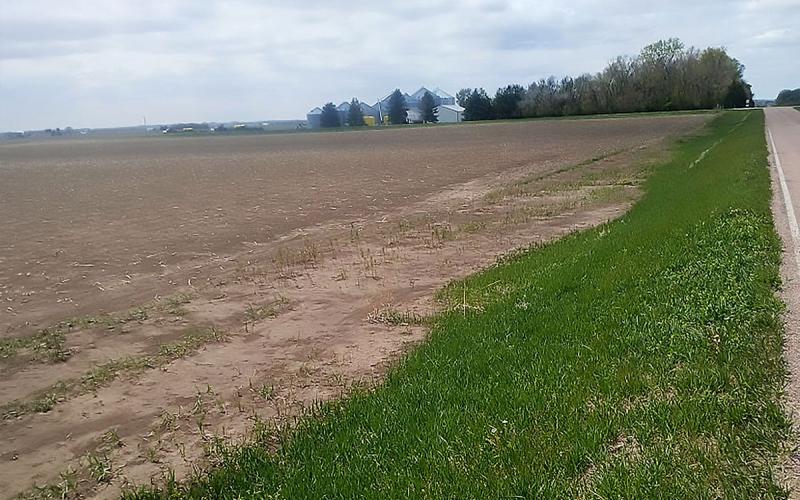
How to Maintain Soil Health During Dry Growing Conditions
Adopting soil health practices can help to reduce the loss of valuable topsoil by wind erosion during droughts. Learn how to manage your fields now or in the future to maintain soil health during periods of dry times.