Content by Matthew Diersen
Margin Protection Crop Insurance for Corn in South Dakota
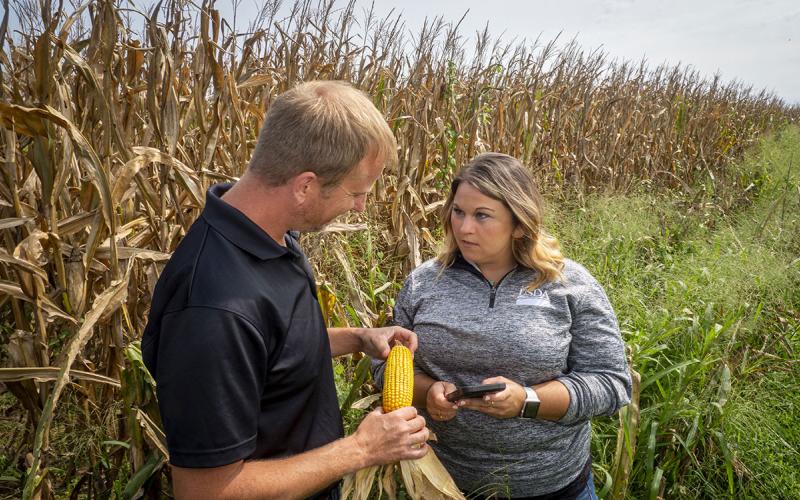
Farmers may be interested in exploring different aspects of crop insurance during the current agricultural conditions of low commodity prices and high input prices. One alternative available is Margin Protection crop insurance.
Merits of Early Pregnancy Diagnosis in Replacement Heifers
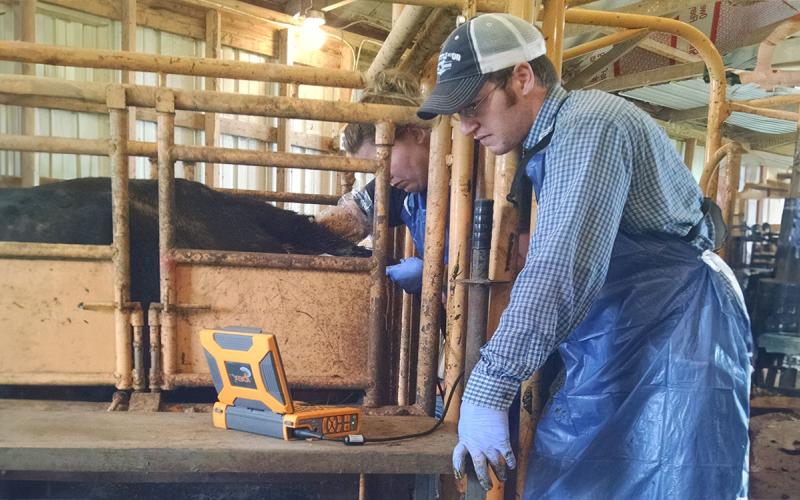
By conducting early pregnancy diagnosis, producers can make management decisions that impact herd viability and expected financial outcomes.
South Dakota producers share their stories with SDSU Extension’s Every Acre Counts program
April 05, 2023
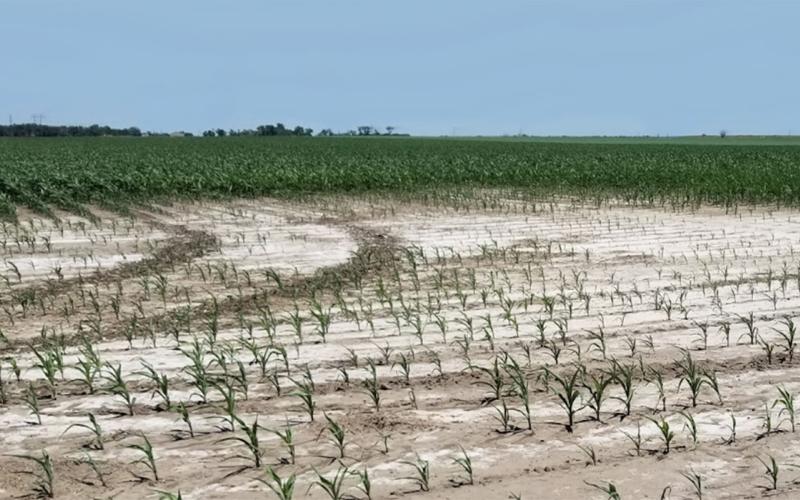
SDSU Extension has released nine videos of producers sharing their experiences in the Every Acre Counts program.
In the Markets: Cattle Inventory
In this episode of Cattle HQ, Adele Harty, SDSU Extension Cow/Calf Field Specialist and Matt Diersen, SDSU Extension Risk/Business Management Specialist reunite for another quarterly update on the state of the cattle industry.
Fall Cattle Markets with Matt Dierson
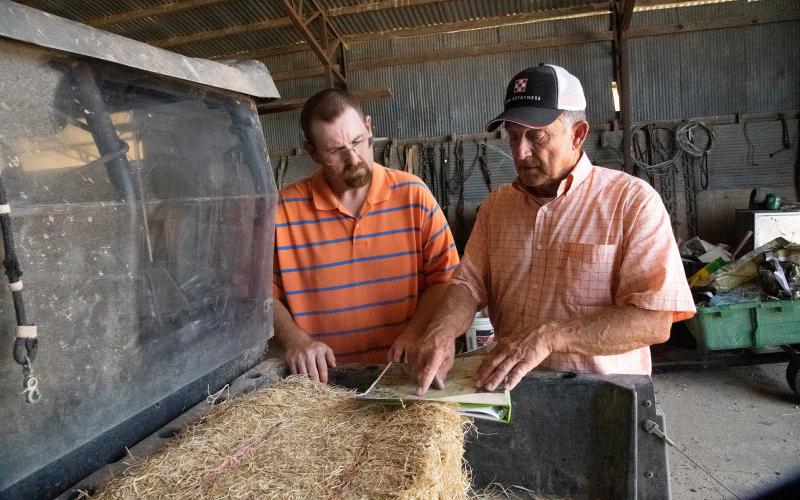
In this episode join Kiernan Brandt and Olivia Amundson, former SDSU Extension Cow/Calf Field Specialists, as they talk with Matt Dierson, SDSU Extension Risk/Business Management Specialist about Fall cattle markets and current market values.
Livestock Risk Protection for Cattle
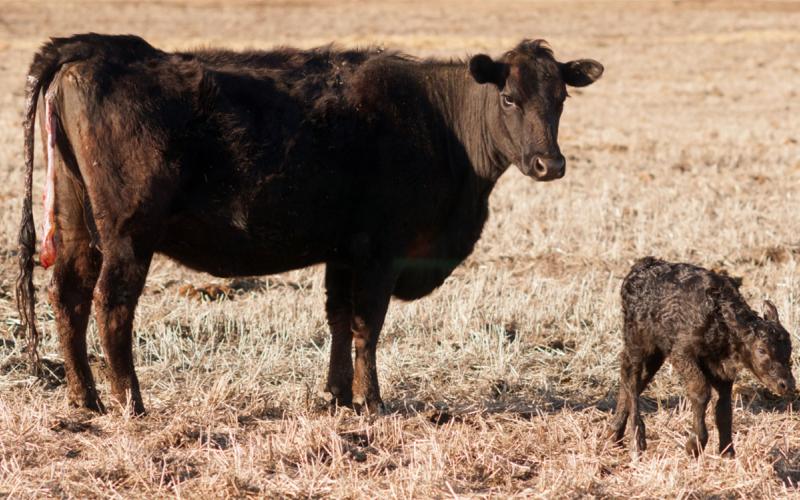
Price rallies, general price volatility and concern that prices may move lower could lead producers to insure livestock prices. Livestock Risk Protection is an insurance program that covers the single-peril or risk of lower prices on fed cattle and feeder cattle.
Beef: Best Management Practices for Cow-Calf Production
This comprehensive book provides producers with insight and education into the latest beef management, handling practices and technology.
Census of Agriculture Cattle Insights
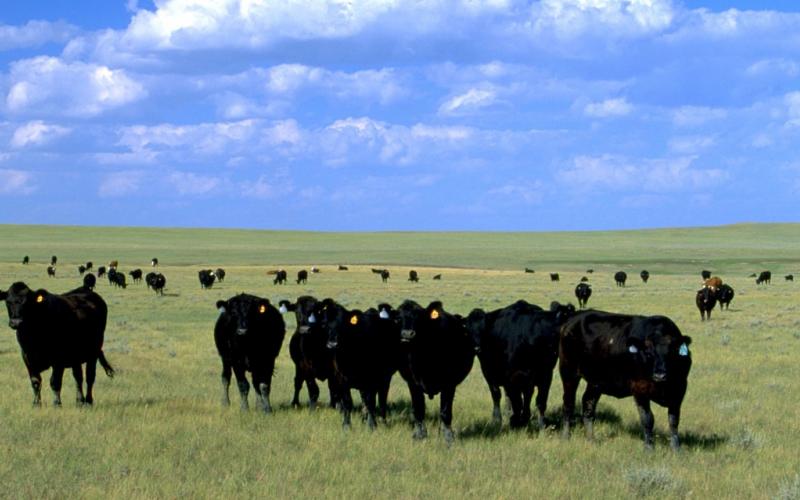
The "2017 Census of Agriculture" is a valuable source for insights related to cattle operations at the state level. There were 13,928 operations across South Dakota with cattle in 2017, and the total inventory was 3,988,183 head.

Risk Calculator
The Risk Calculator is designed to combine crop insurance, government programs, and marketing tools together for a crop.
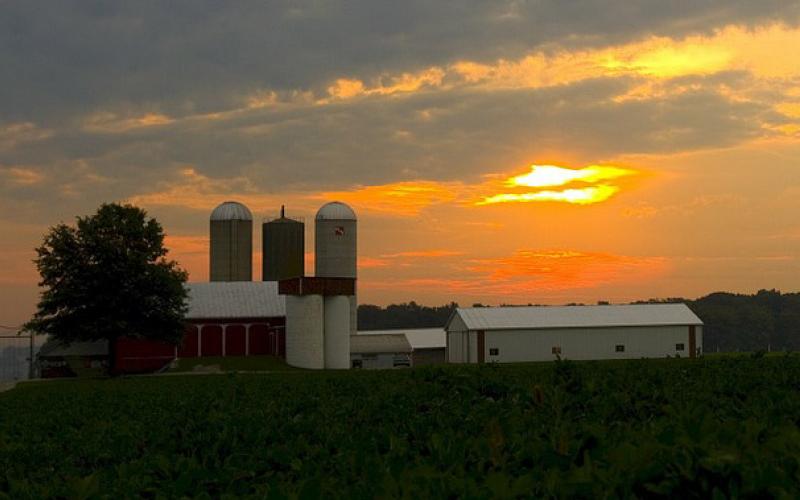
Farm Size and Efficiency
Growth is a common denominator of various business objectives. A business may want to grow profits, sales, market share, etc. The growth of a business itself usually refers to growth in equity, or growth in assets after debts have been paid. Farms, from a business perspective, are no exception. Farmers seeking to grow equity need to be willing and able to retain earnings and cannot be overleveraged.