Content by Connie Strunk
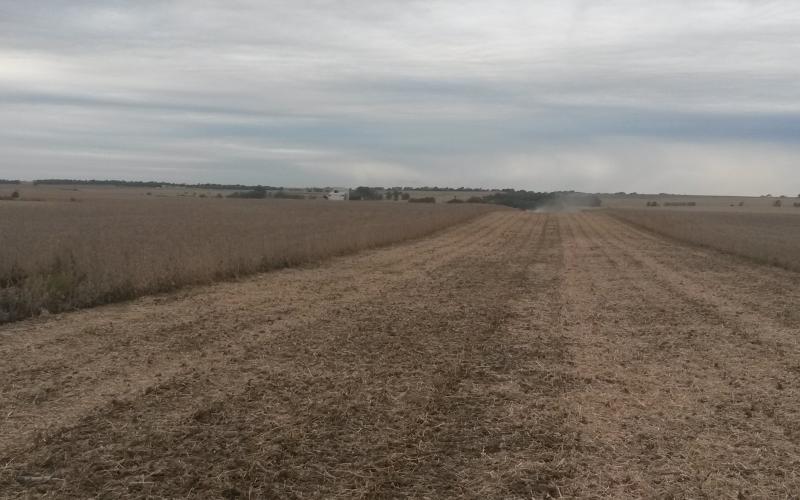
Soybean Investigations: Research on Your Farm Seeks Farmer Cooperators
SDSU Extension and the South Dakota Soybean Research and Promotion Council are seeking South Dakota Soybean Growers willing to participate in a farmer-led on-farm strip trial research program.
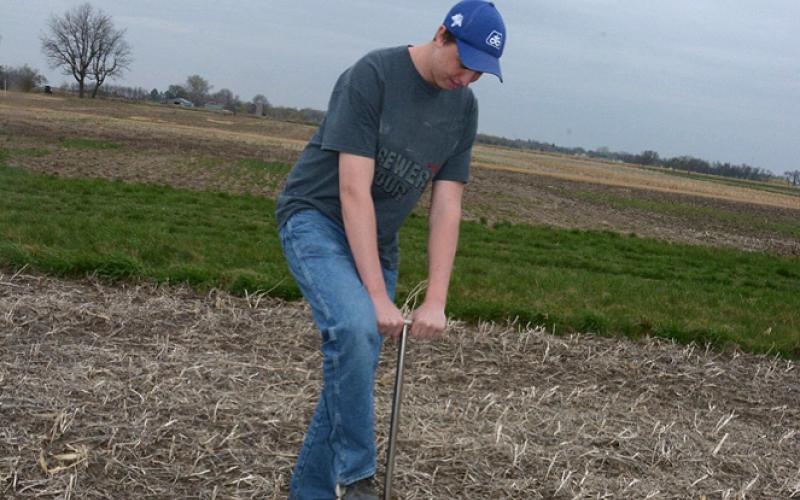
Consider SCN Sampling This Spring
Soybean cyst nematode management starts with a soil test to determine the presence or absence of this nematode in the soil.
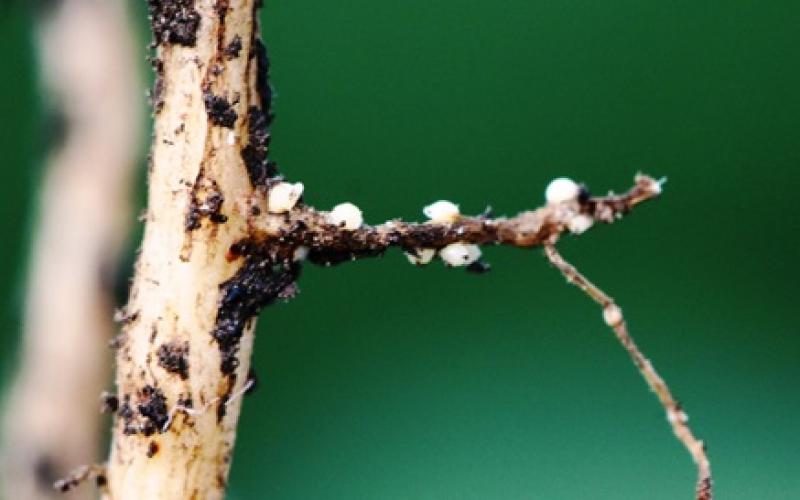
Scout and Soil Test for the Soybean Cyst Nematode
Soybean cyst nematode (SCN) is the main soybean production constraint in South Dakota. Soybean plants can be infested with SCN but may not display visible symptoms.
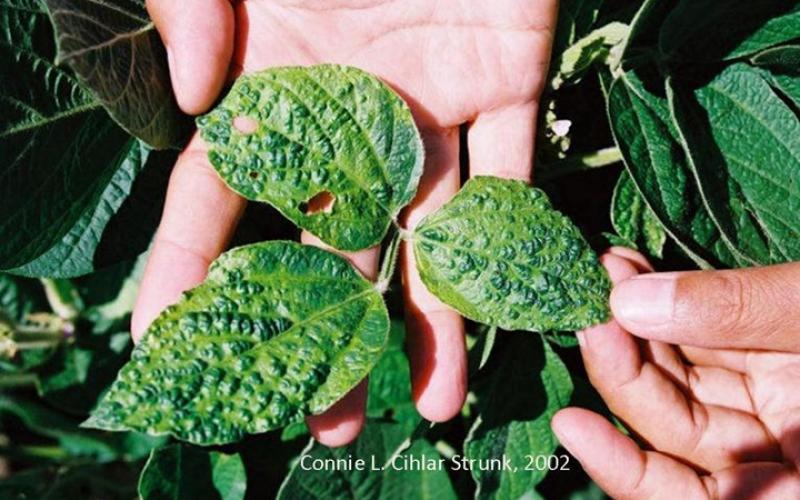
Soybean Pests: Bean Leaf Beetles and Bean Pod Mottle Virus
With the number of bean leaf beetle observations in soybean fields during 2016, the need for monitoring soybean for Bean pod mottle virus (BPMV) development increases. Bean pod mottle virus was first identified in South Dakota in 1998, and is recognized as a very economically important disease in soybean due to the potential for it to cause devastating losses to soybean yields.
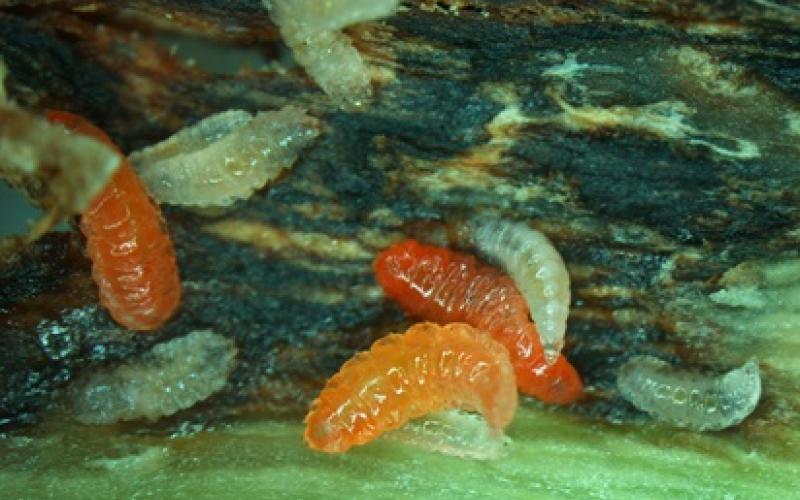
Gall Midge Larvae in Soybean Stems
Gall midge larvae were observed recently in soybean stems from a field in South Dakota. These insects were found under the epidermis of the stem that was slightly above the soil line.
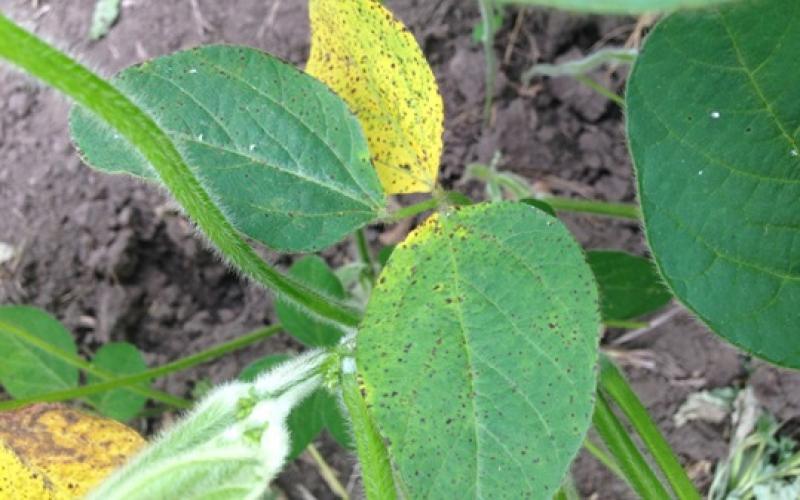
Soybean Diseases Update
A few soybean fields scouted had between low to moderate levels of brown spot (also known as Septoria leaf spot). Soybean planted into soybean stubble had elevated levels of brown spot.
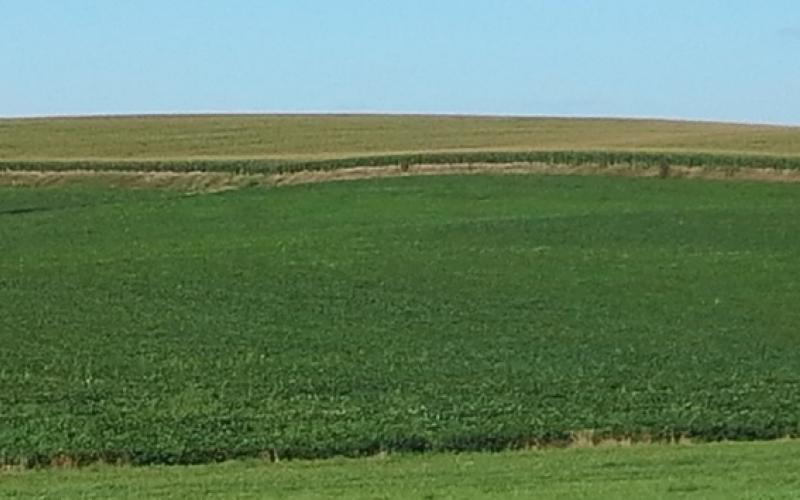
Yellow Soybeans
Yellow soybean areas within fields are being noticed in some areas of the state. There are six factors which could be causing the soybean plant yellowing: nitrogen (N), potassium (K), or sulfur (S) deficiency, iron deficiency chlorosis (IDC), soybean cyst nematode (SCN), or yellow flash from Roundup application.
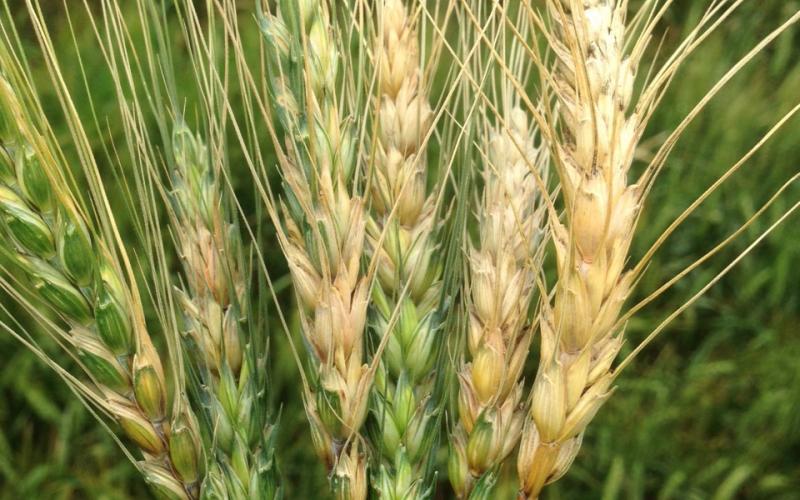
Updated National Fusarium Head Blight (Scab) Prediction Center
The new Fusarium (Scab) Head Blight Prediction Center is now up and running. The purpose of this Assessment Tool is to provide producers and crop consultants with a Fusarium Head Blight (FHB/scab) risk assessment tool which leads up to and includes flowering (anthesis).
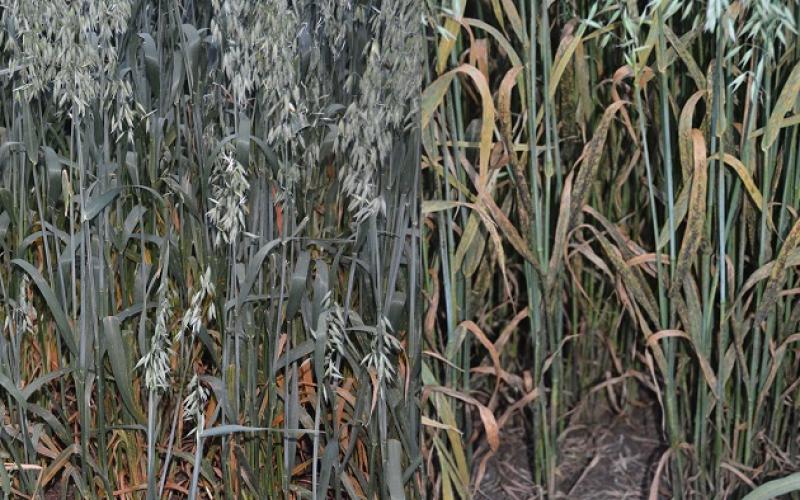
Utilize a Fungicide For Crown Rust Prevention in Oats
If you are growing oats this year for grain, be sure to scout and plan a fungicide application to protect the oats from crown rust.