Content by Adam Varenhorst
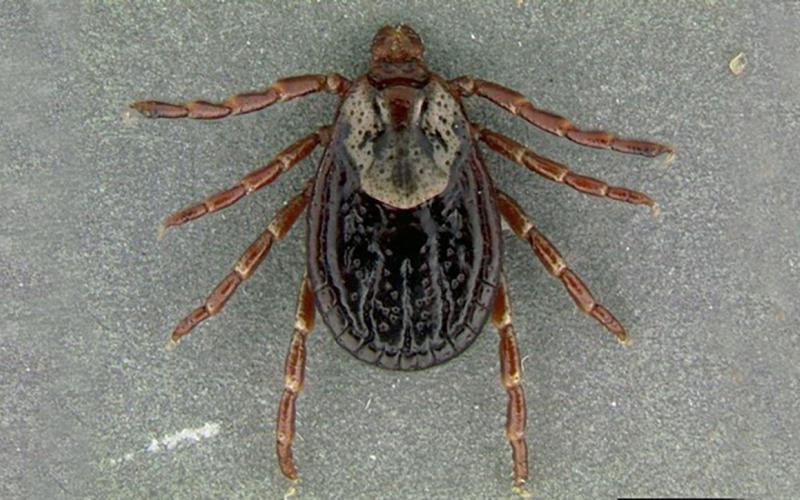
An identification guide for Arthropods of Human Health Concern in South Dakota
Pictorial guide for arthropods of human health concern in South Dakota
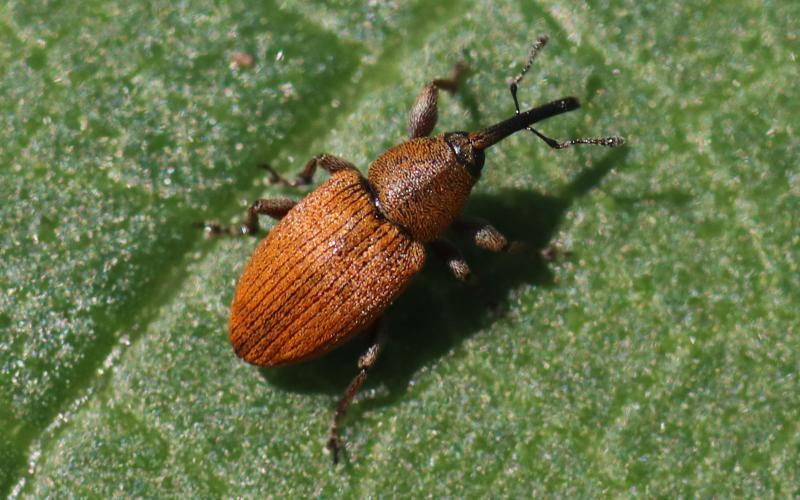
Planting Date May Be Our Most Powerful Tool for Red Sunflower Seed Weevil Management
In the last few years, red sunflower seed weevils have been the most economically damaging insect pest in South Dakota. To identify alternative management options, researchers at SDSU and the USDA-ARS lab in Fargo, ND conducted a study evaluating early planting dates as a potential strategy to reduce red sunflower seed weevil infestations.
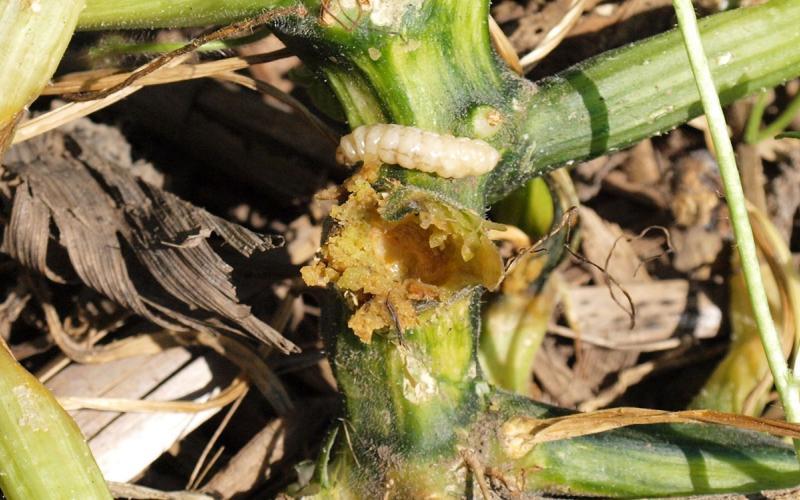
Biology and Management of Squash Vine Borer in the Garden
Squash vine borer larvae are serious pests of pumpkins, zucchini and other winter squashes. Learn how to identify and manage infestations before they impact plant health and productivity this fall.
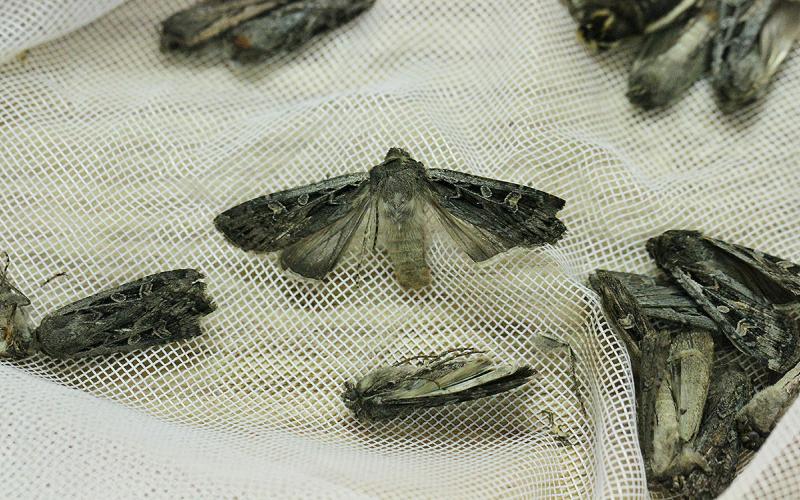
Army Cutworms Returning to South Dakota
A black light trap at the SDSU West River Research Farm near Sturgis has started capturing army cutworm moths. This indicates that the moths that migrated west this spring are returning to the South Dakota plains to lay eggs.
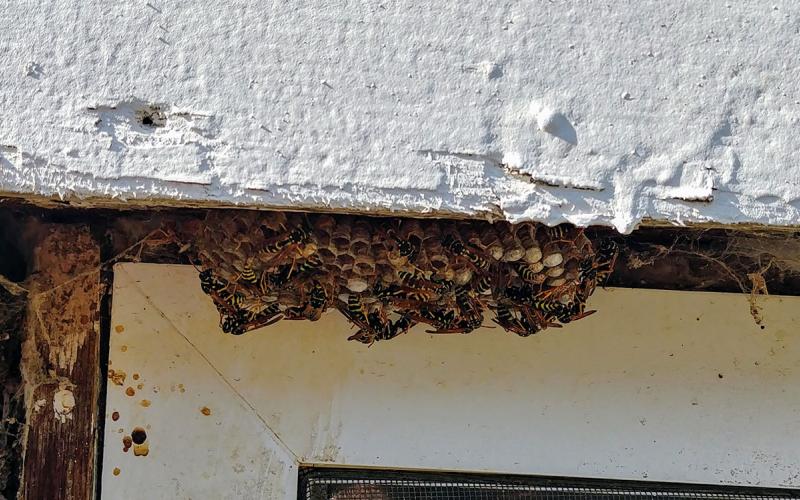
Wait, These Wasps Were Here the Whole Time?
Wasps receive attention no matter the time of year, but they are especially noticeable in late summer and early fall. Learn some expert tips for identifying and managing different types of wasps in your home and garden.
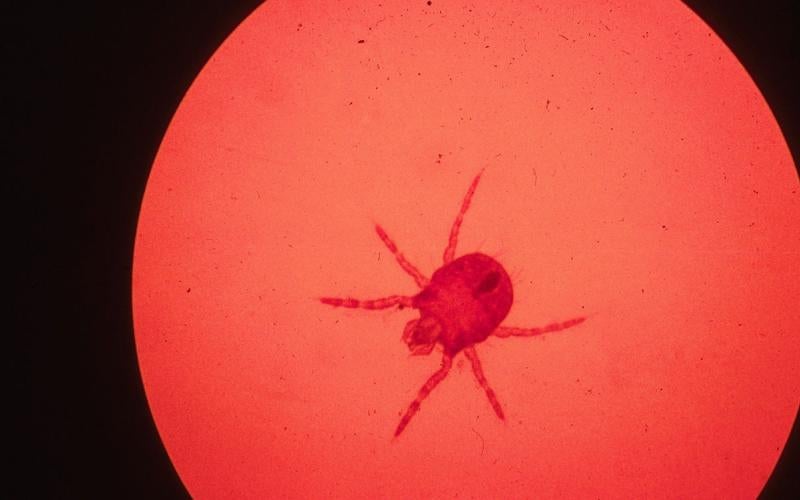
What To Do About Chiggers
Chiggers are a persistent summer arthropod pest that many people want to get rid of in their lawns. While it is understandable that people want to eliminate them, the best defense against chiggers is being prepared before going outside.
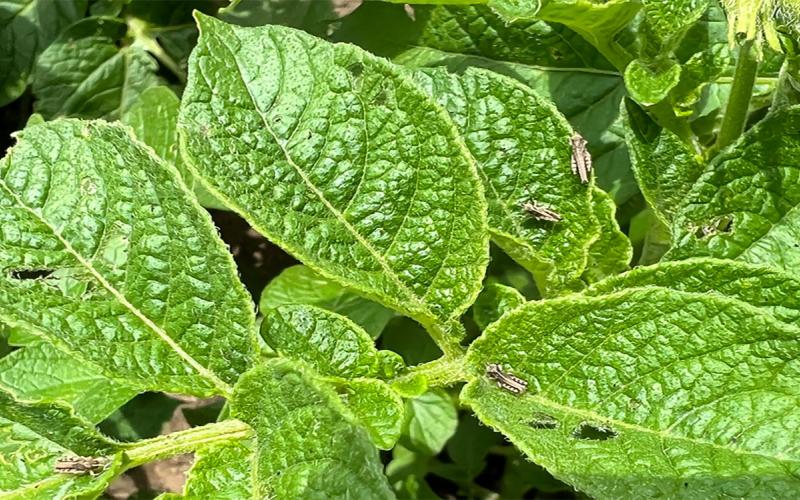
Grasshopper Populations Increasing in South Dakota
Large populations of grasshopper nymphs have been a common observation this year. One concern regarding these populations is that, as the season progresses and they continue to grow, they will need additional resources.
Red Sunflower Seed Weevil Populations Are Active in South Dakota
Red sunflower seed weevils are active in South Dakota sunflowers. Scouting should begin for fields that are going to be reaching the R5 stage within the next week.
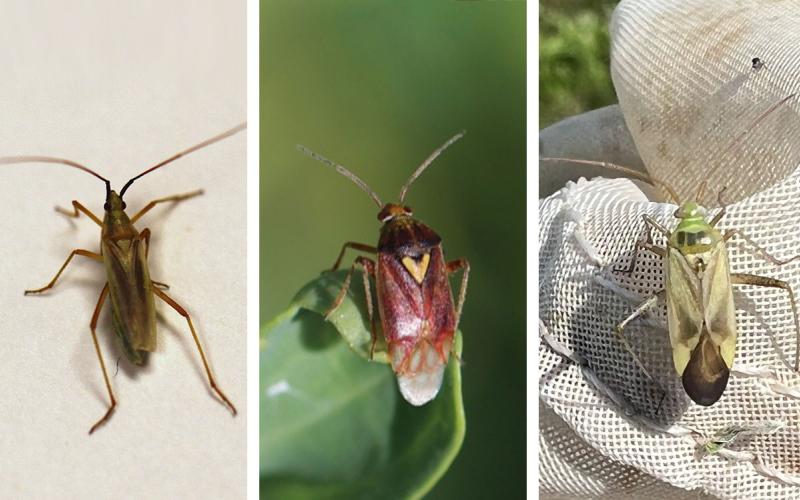
Plant Bugs Active in Alfalfa
Plant bugs are active in alfalfa fields across the state. A common question we receive from producers is why some of these bugs look so different from others.
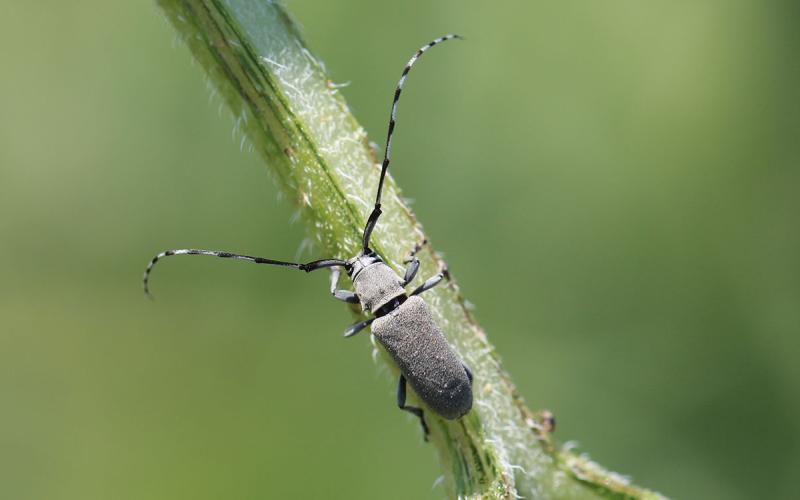
Another Year of Dectes Stem Borer Issues in Sunflower?
Based on the current drought conditions in our sunflower production areas, it is likely that Dectes stem borer will cause issues earlier than normal in the areas experiencing drought.