Content by Adam Varenhorst

Grasshoppers May Cause Problems for Winter Wheat During Fall 2023
As winter winter begins emerging, it is important to monitor field edges for grasshopper activity and feeding injury. This is especially true in areas where large populations have been observed throughout the summer.
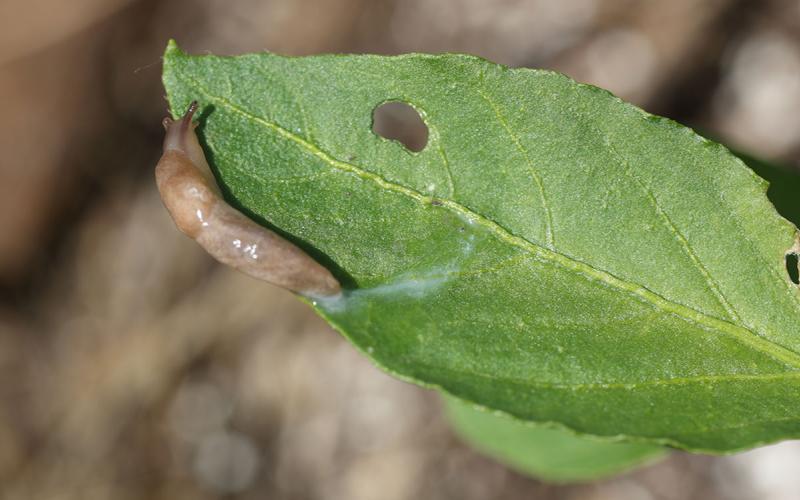
Slugs: The Slimy Defoliators
Have you noticed defoliation in your garden accompanied by distinct trails on plant leaves? The culprit could be slugs, a common pest that can be found during during cool, wet weather and in certain garden micro-climates.
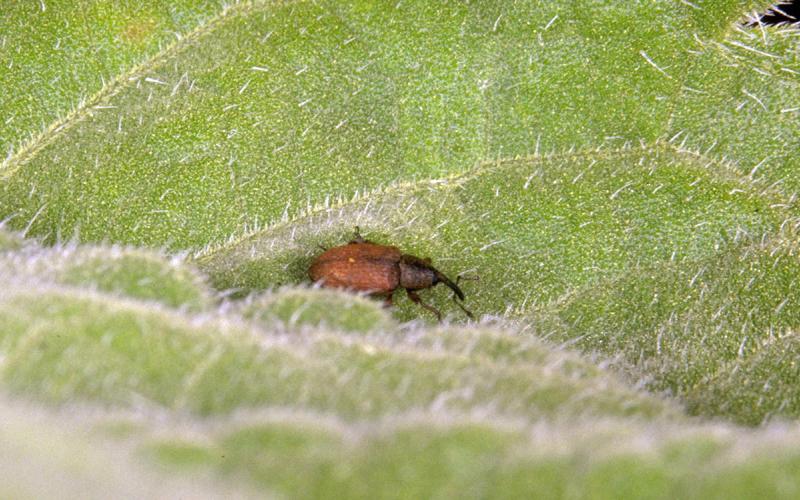
Malathion: Emergency crisis exemption for red sunflower seed weevil in South Dakota from Aug. 16-31
An emergency crisis exemption for Malathion has been approved for red sunflower seed weevil control in sunflowers in South Dakota from August 16-31, 2023. Learn everything you need to know before applying it to sunflower crops before the deadline.
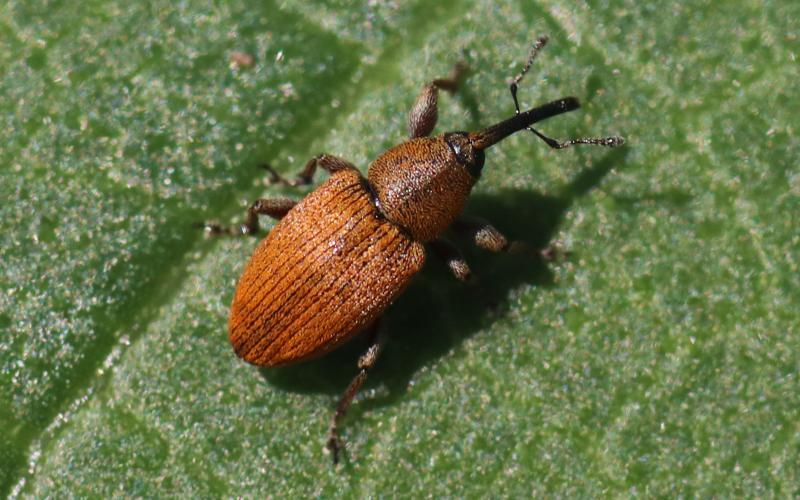
Red Sunflower Seed Weevils Emerging in South Dakota
Red sunflower seed weevil adults are emerging in South Dakota and some have been observed in sunflower fields. Learn how to scout and manage this pest before it impacts your sunflowers.
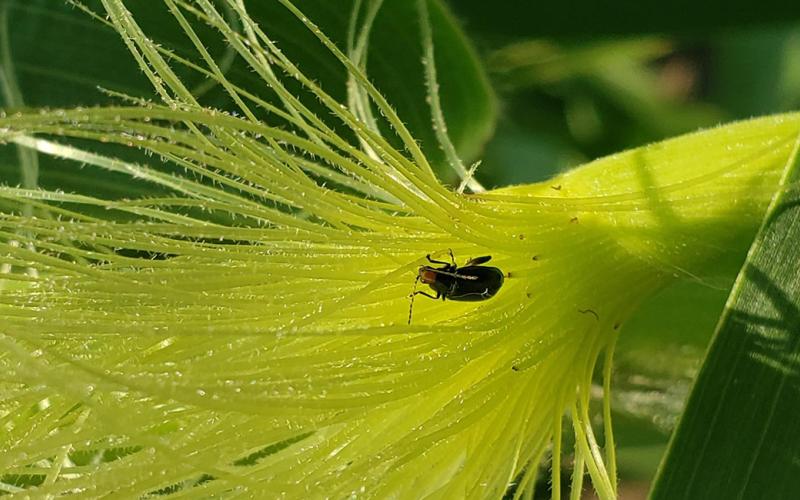
Redheaded Flea Beetles Clipping Corn Silks
While scouting corn last week, we noticed populations of redheaded flea beetles. These defoliators were removing leaf tissue, but the bigger issue with redheaded flea beetles is that they feed on corn silks as well.
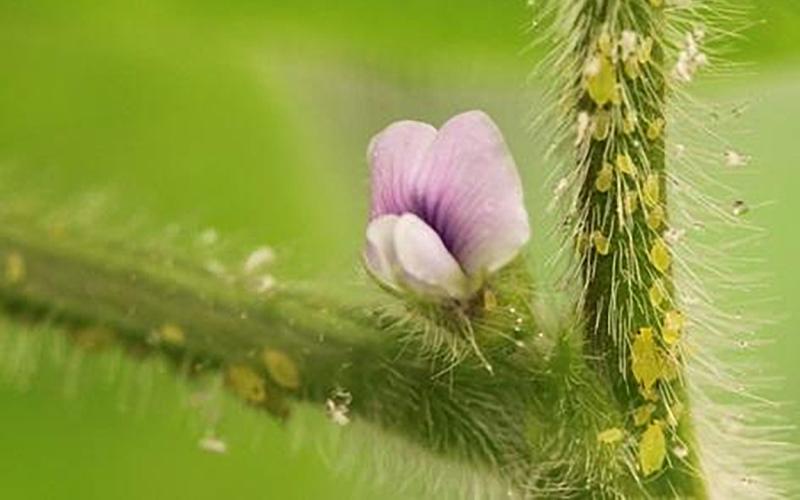
Soybean Aphids Are Active in South Dakota
Small populations of soybean aphids were recently identified while scouting soybean in the Volga and South Shore areas. This is a good reminder that scouting should be ongoing to ensure that populations do not exceed thresholds.
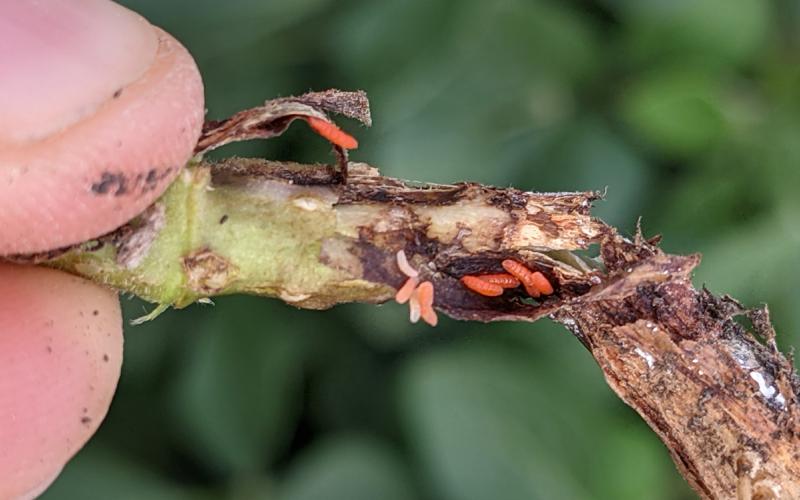
Soybean Gall Midge Larvae Detected This Season
Soybean gall midge larvae have been detected in soybean in southeastern South Dakota. While many infested fields are not showing obvious signs of infestation, there are some key indicators to look out for.
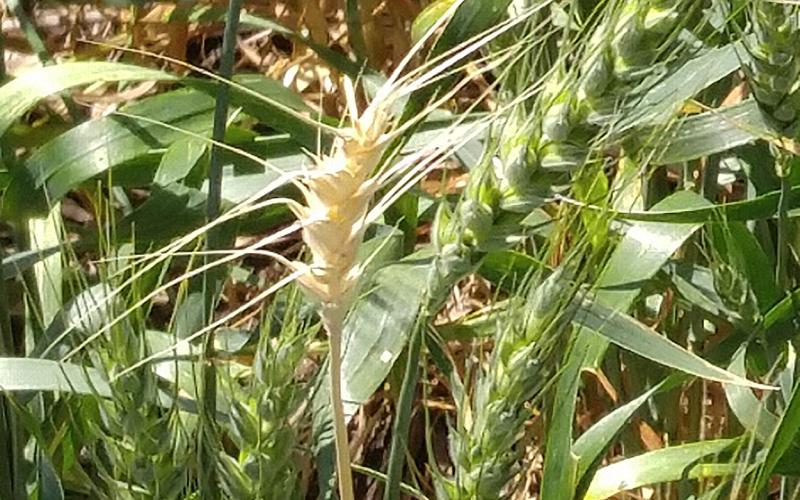
Wheat Stem Maggots Observed in South Dakota Wheat
When scouting wheat, the presence of bleached heads is often the result of feeding activity by wheat stem maggots. Learn some expert tips for identifying this pest and recognizing its activity in wheat.
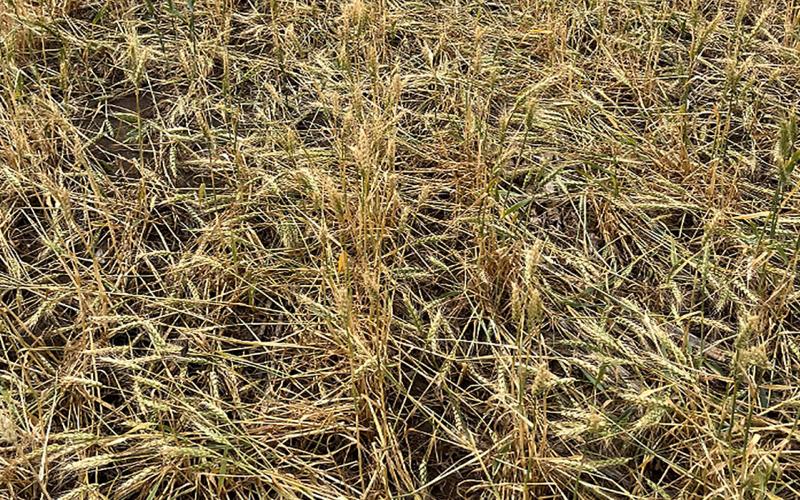
Hessian Fly Pupae Detected in Central South Dakota
Recent reports of lodged wheat in central South Dakota revealed Hessian fly pupae in the lodged plants. Learn how to identify and manage this pest before it impacts your wheat harvest.
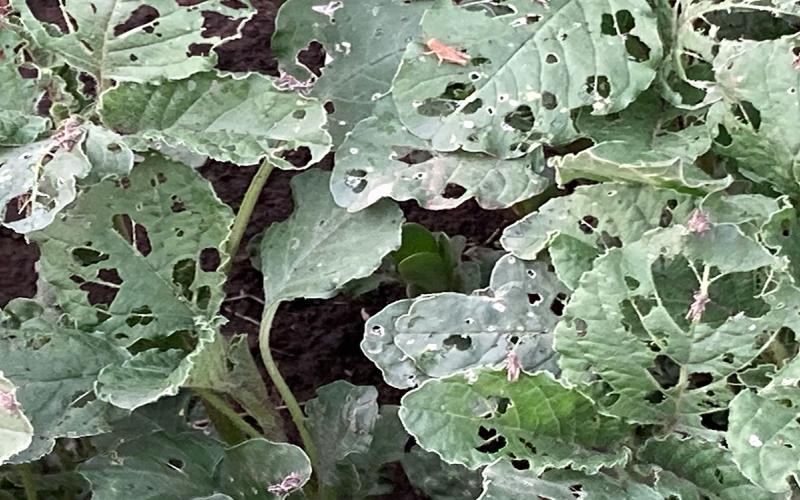
Grasshoppers Causing Headaches in South Dakota Gardens
Grasshopper populations are causing extensive defoliation around yards and gardens in our region this summer. Learn some important considerations for scouting populations and applying insecticides if needed.