Trees
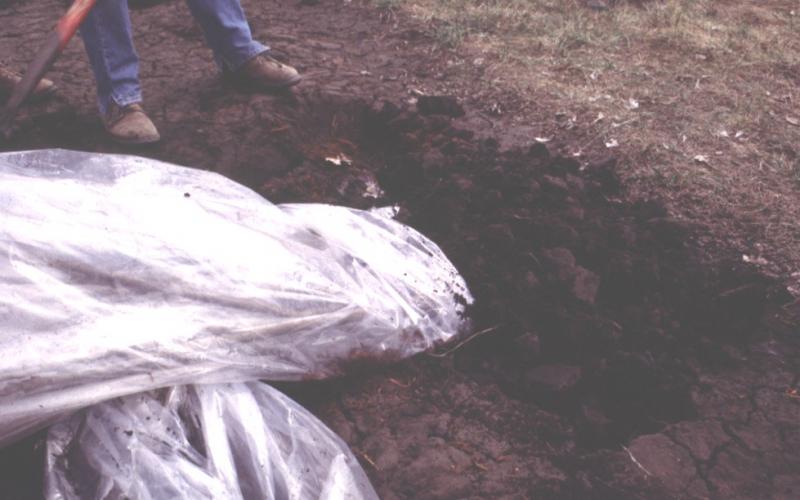
Planting Bare-Root Trees
Bare-root is an excellent means of planting a tree.
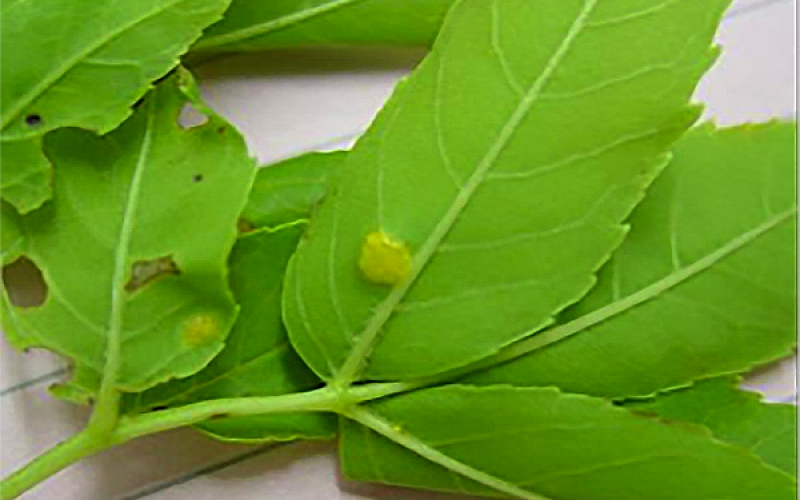
Tree Rust Diseases
Ash rust and crown rust are two common rust diseases that impact South Dakota trees.
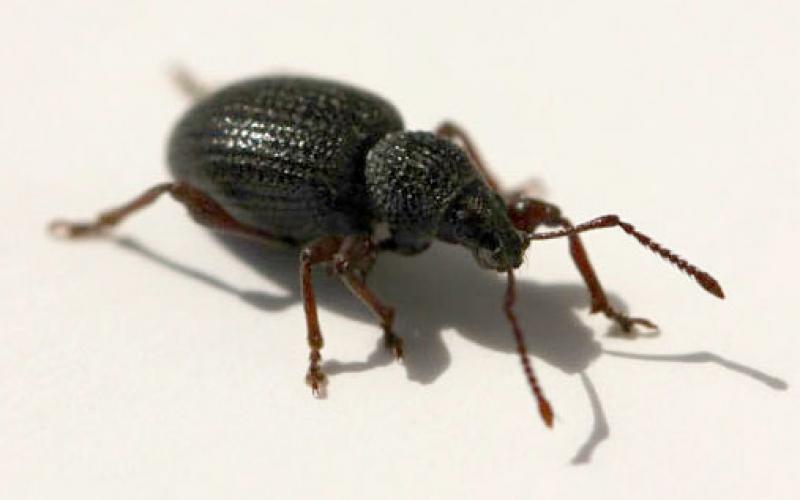
Root Weevils: Accidental Invaders
The latest insects to find their way inside South Dakota homes are the root weevils, a kind of beetle characterized by a distinct snout on the front of its head.
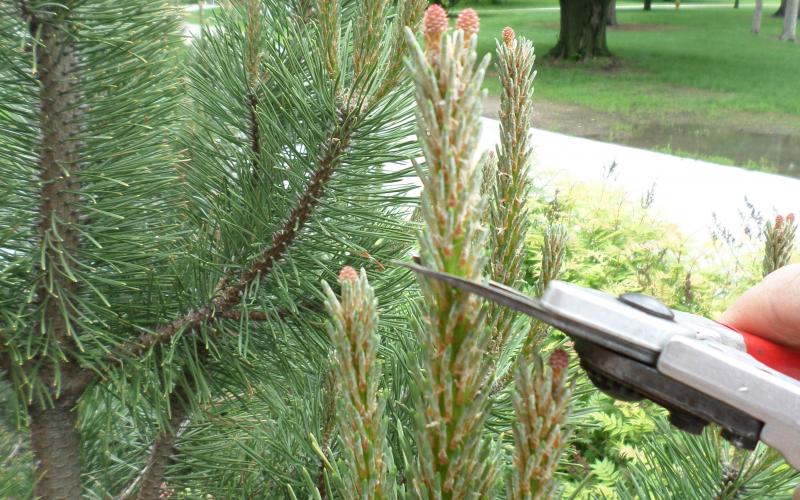
Shearing Evergreens
Shearing is an excellent means of maintaining a compact and dense evergreen with a more formal appearance.
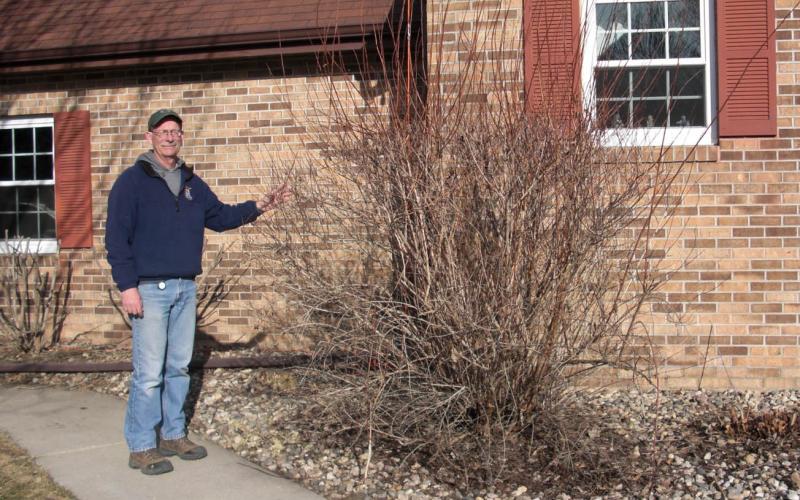
Pruning Flowering Shrubs
Pruning not only benefits flowering but can also enhance bark color for shrubs with colorful canes.
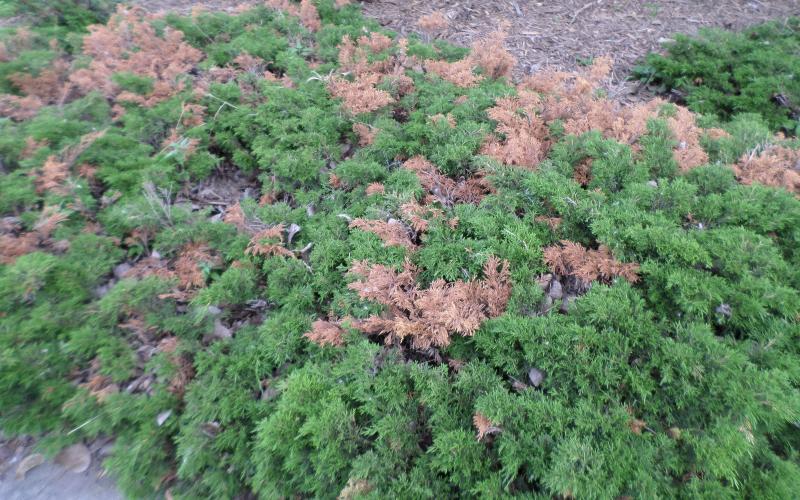
Vole Damage to Junipers & Small Trees
Vole-damaged junipers can be identified by distinct yellowing and browning shoot tips, as well as unique gnaw marks.
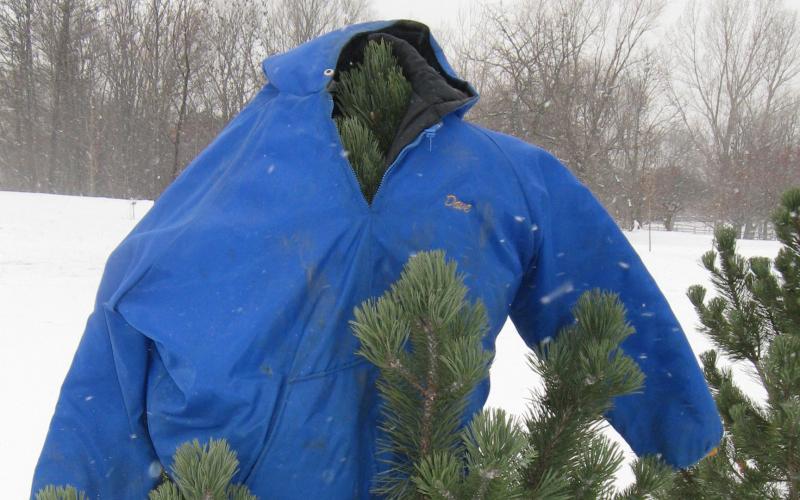
It's Cold! How Can Our Plants Trees and Shrubs Withstand It?
The Northern Great Plains have experienced colder than normal weather over first few weeks of December. Cold temperatures certainly do affect our plants but there are some important differences.
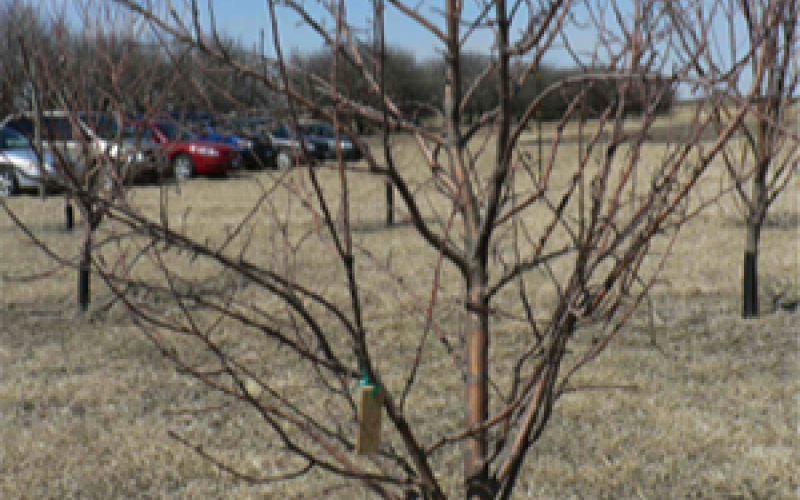
Training Young Fruit Trees
Training is probably the most neglected aspect of growing fruit trees.
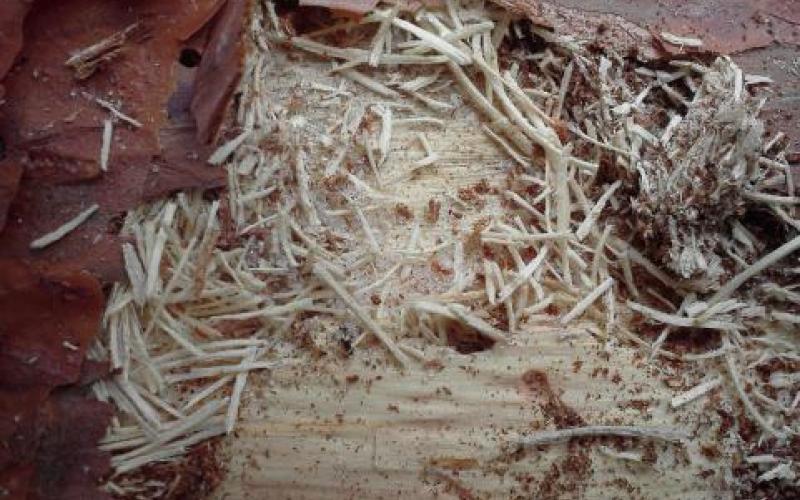
Sawyer Beetles and Pine Wilt Disease
A sample came in from a recently felled Scotch pine tree down in Southeastern South Dakota. The hole and sawdust is due to a sawyer beetle that had infested the tree.
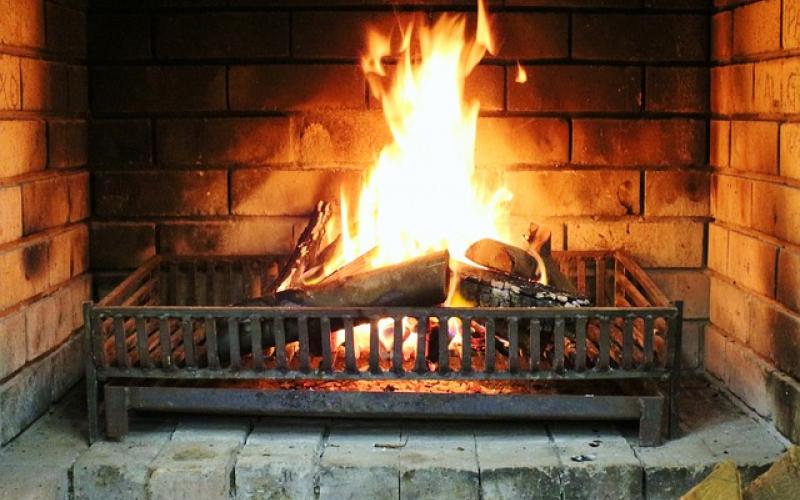
Reducing the Risk of Wood Stove and Fireplace Fires
While wood can be an excellent heat source, burning wood in stove and fireplaces can result in stovepipe or chimney fires. These fires are often the result of a buildup of creosote, a tar-like material that forms due to incomplete combustion.