Product-Specific Food Safety
Safety
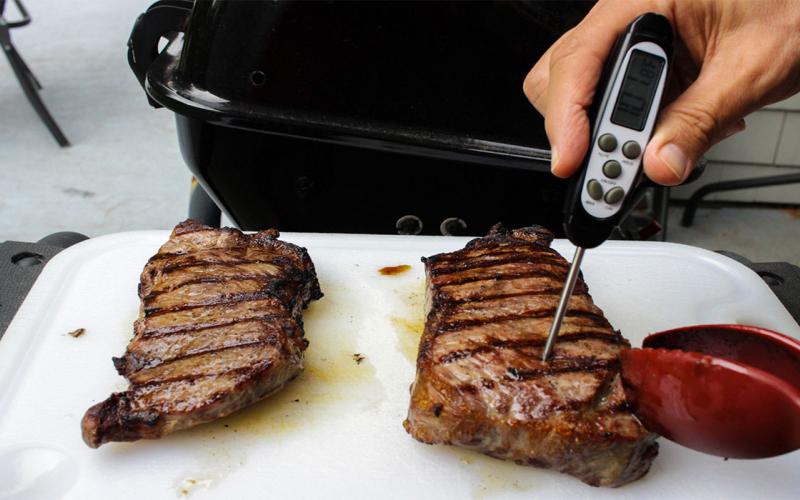
Food safety education is essential from field to table for entrepreneurs, consumers and businesses.

Remote Produce Safety Alliance Grower Training - March
Collaborators with the North Central Region Center for FSMA Training, Extension, and Technical Assistance will host a Remote Produce Safety Alliance Grower Training on March 11, 2027 from 7:30 a.m. - 4:00 p.m. CST (6:30 a.m. - 3:00 p.m. MT).
Remote Produce Safety Alliance Grower Training - February
Collaborators with the North Central Region Center for FSMA Training, Extension, and Technical Assistance will host a Remote Produce Safety Alliance Grower Training on February 11, 2027 from 8:30 a.m. - 5:00 p.m. CST (7:30 a.m. - 4:00 p.m. MT).
Remote Produce Safety Alliance Grower Training - January
Collaborators with the North Central Region Center for FSMA Training, Extension, and Technical Assistance will host a Remote Produce Safety Alliance Grower Training on January 26, 2027 from 8:30 a.m. - 5:00 p.m. CST (7:30 a.m. - 4:00 p.m. MT).

Agricultural Water Rule Support Line
The North Central Region Center for FSMA (Food Safety Modernization Act) Training, Extension, and Technical Assistance operates a toll-free number to answer your agricultural water rules questions.

Technology Lending Program for Produce Safety
South Dakota specialty crop producers are invited to participate in the new regional Technology Lending Program, which allows farms to borrow and evaluate produce safety technologies on their own operations for up to 90 days at no cost.
Microbial Water Testing for South Dakota Producers
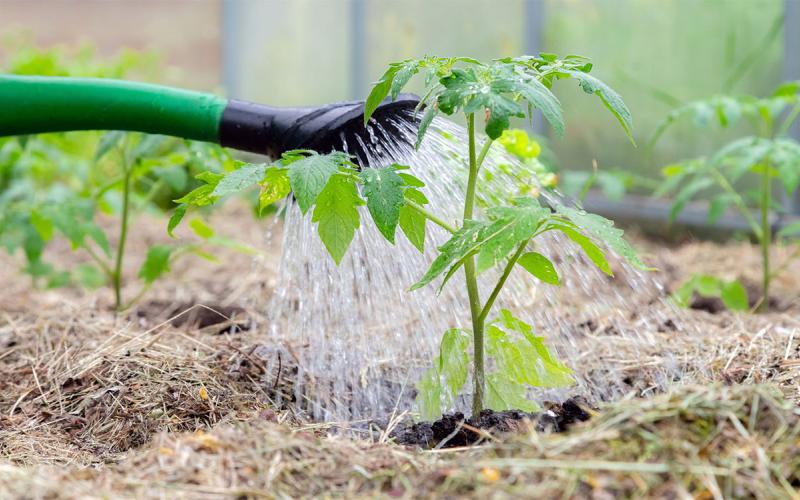
Microbial water testing is important for produce growers to know the quality of their water to help ensure the safety of the fruits, vegetables, and herbs they produce.

Testing for E. coli in Raw Meat Products: Basic information for meat processors
While the risk of Shiga-toxigenic Escherichia coli (STEC) should be taken seriously, the incidence of positive STEC tests can be mitigated by proper animal, carcass, and product handling, as well as robust sanitation policies and practices.
How to Safely Make and Sell Hummus in South Dakota
There is an increasing interest with food entrepreneurs for making hummus. Learn how to safely make hummus, including notable regulations that processors must abide by in order to sell it in South Dakota.
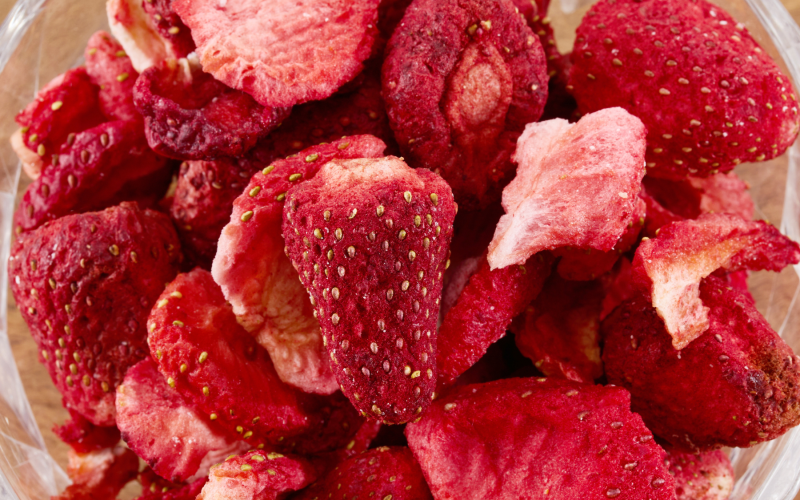
Freeze Drying Foods
This publication describes the freeze-drying process to help food entrepreneurs understand the process, highlighting food safety risks and relevant South Dakota regulations.