Pollinators
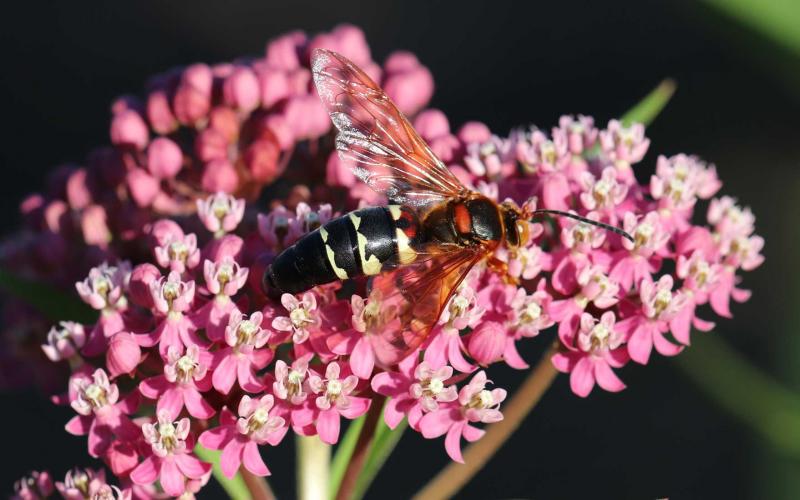
Giant Wasps Are Invading My Yard! No, They Still Aren’t Murder Hornets.
Every year we receive multiple reports of giant wasps that seem to invade yards and gardens. These wasps aren’t the same as the so-called "murder hornets," but are actually cicada killer wasps.
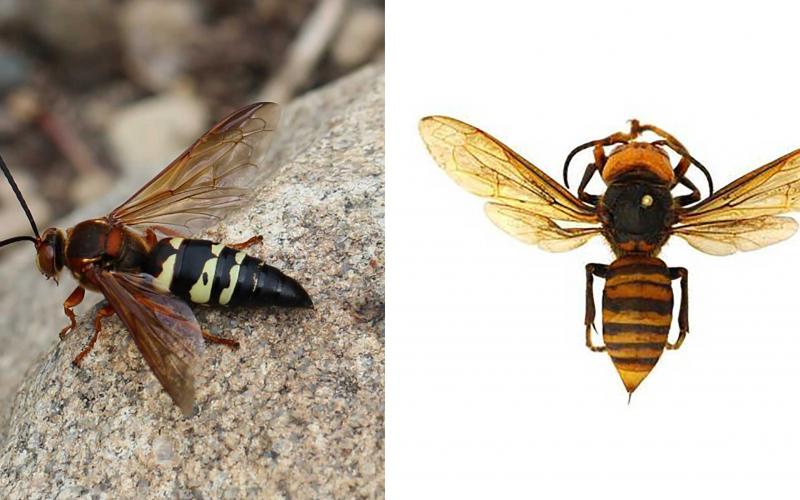
No, It’s Not a Murder Hornet.
By now, you’ve probably read headlines about the Asian giant hornets (aka “murder hornets”) that were spotted in Washington state and across the border in Canada. It is important to note that Asian giant hornets have only been confirmed in a small area of Washington and Canada. These wasps have not been observed in South Dakota or our neighboring states.
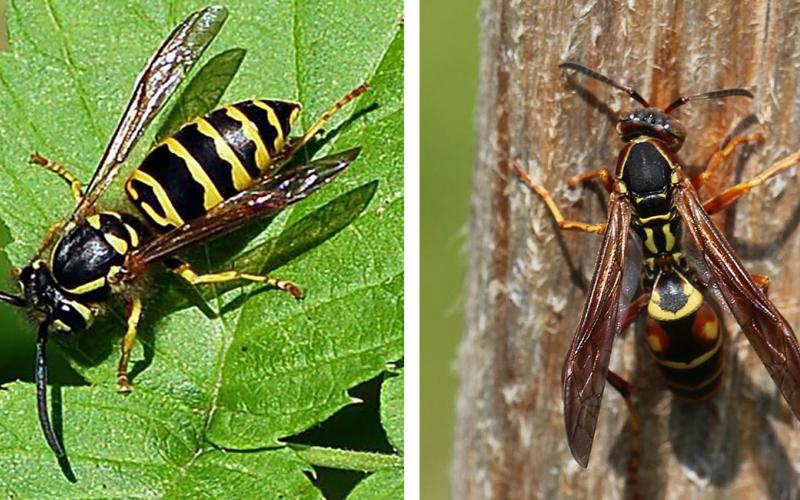
Wasp Activity Is Ramping Up
With their distinctive black and yellow stripes and tendency to hang out in groups, wasps receive attention no matter the time of year. As the weather warms up and spring progresses, you may notice more wasp activity in your yard or around your house.
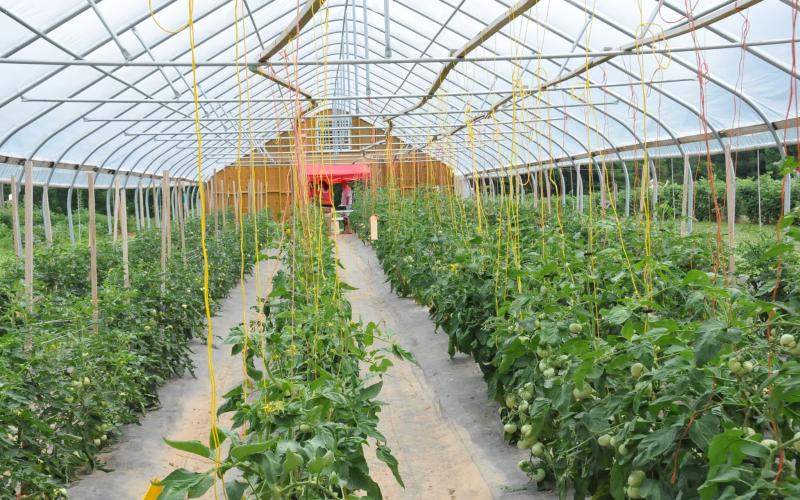
Pollinating Tomatoes in High Tunnels
In field-grown tomatoes the air movement is sufficient to vibrate flowers and achieve pollination. This is not generally true in the high tunnel because there is not sufficient natural wind to vibrate the flowers. High tunnel tomato growers should therefore pollinate their crop by other means.
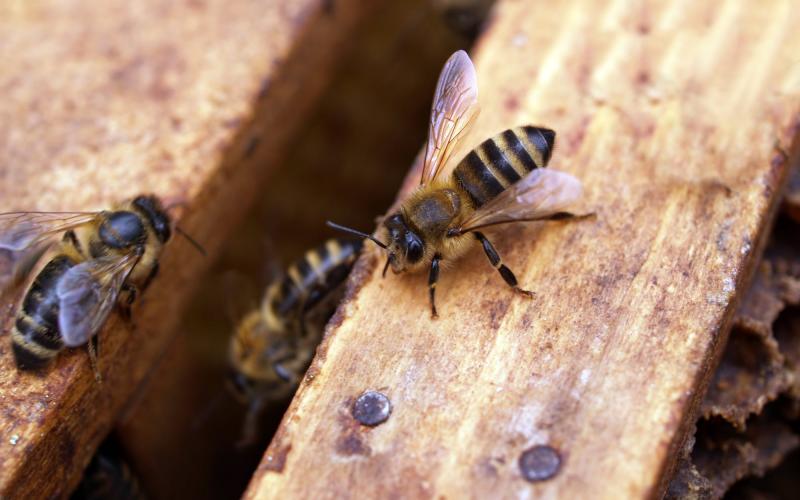
Backyard Biodiversity: Nest boxes for native bees
Many of our native bee species are solitary. In order to ensure that these kinds of bees spend more time in our yards and gardens, it is important to make sure we include places for them to nest.