Plant Care
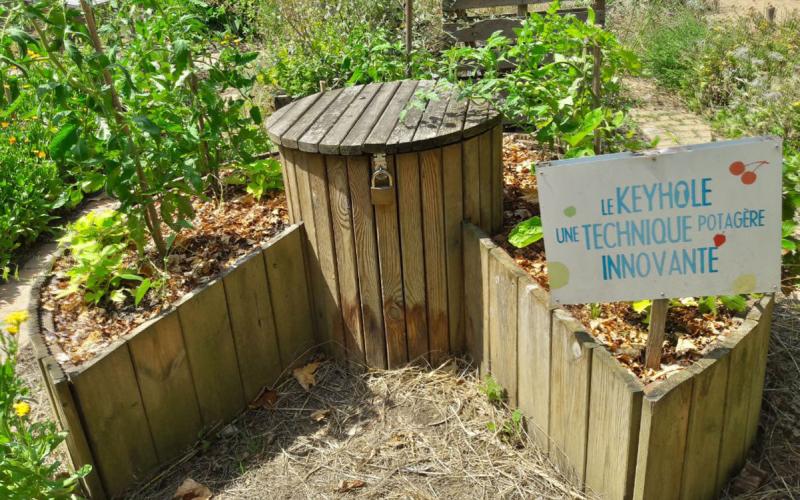
Keyhole Gardens
Keyhole gardens combine composting, water conservation, and space efficient planting in a single raised bed design. They give gardeners a practical way to produce vegetables, herbs, and flowers when space, soil, or water would otherwise be limited.
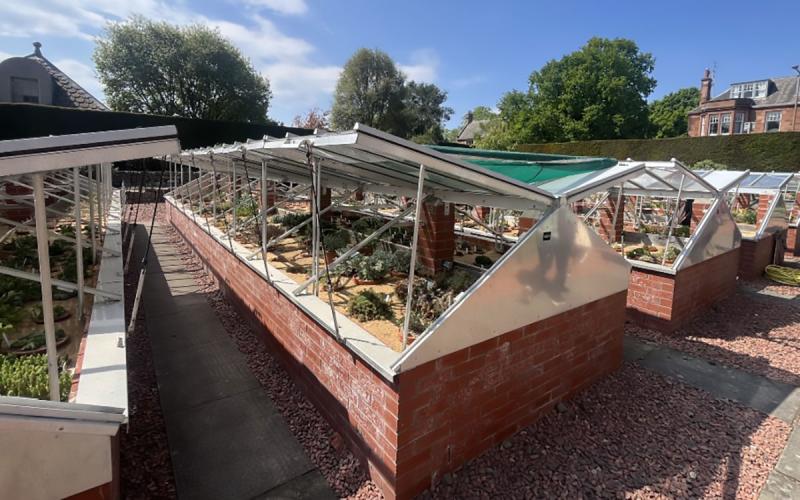
Cold Frames
Cold frames are structures that provide a method for extending the growing season, allowing gardeners to begin production earlier in the spring or continue later into the fall.
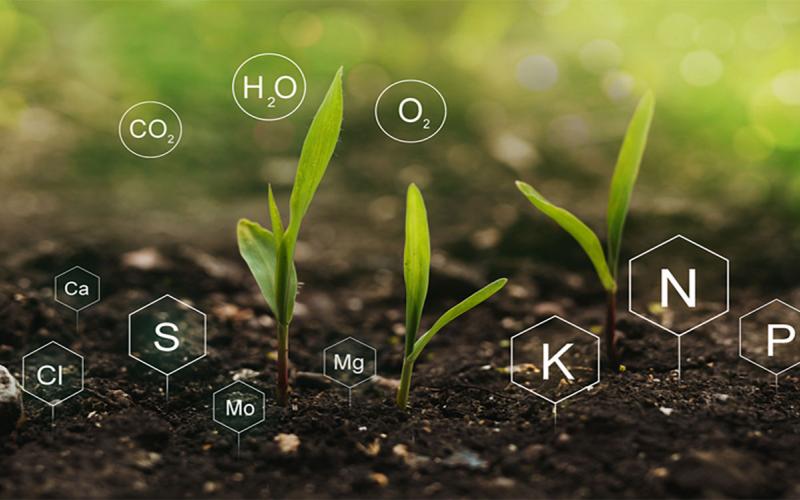
Managing Phosphorus and Other Nutrients in Gardens
Fact sheet on managing phosphorus and other nutrients in gardens.
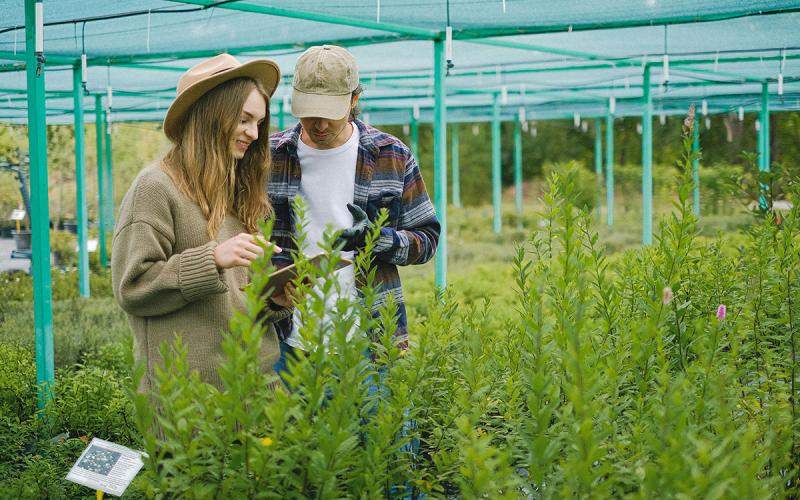
Home Horticulture Resources for Gardeners
Horticulture is the branch of plant agriculture dealing with garden crops. In addition to our website, there are many horticulture resources available on the web to provide research-based information to help every gardener succeed.
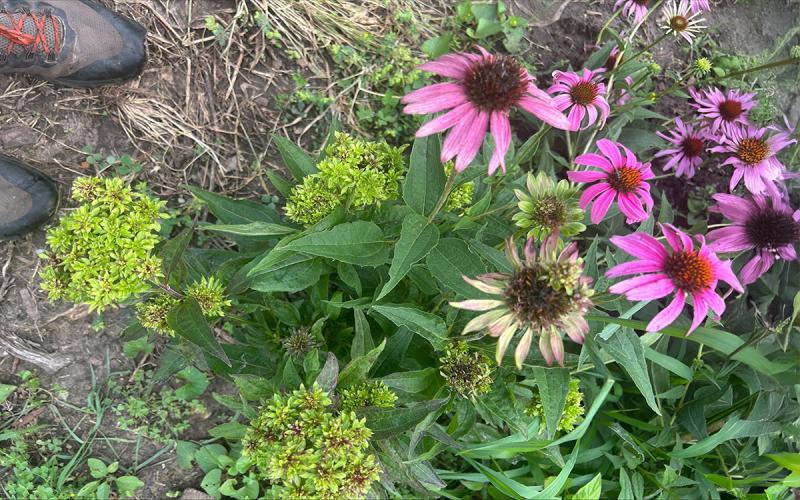
Aster Yellows Phytoplasma
Aster yellows is a phytoplasmal disease carried and introduced by aster leafhopper. It is known to infect over 80 different plant families, as the aster leafhopper has extremely broad feeding habits.
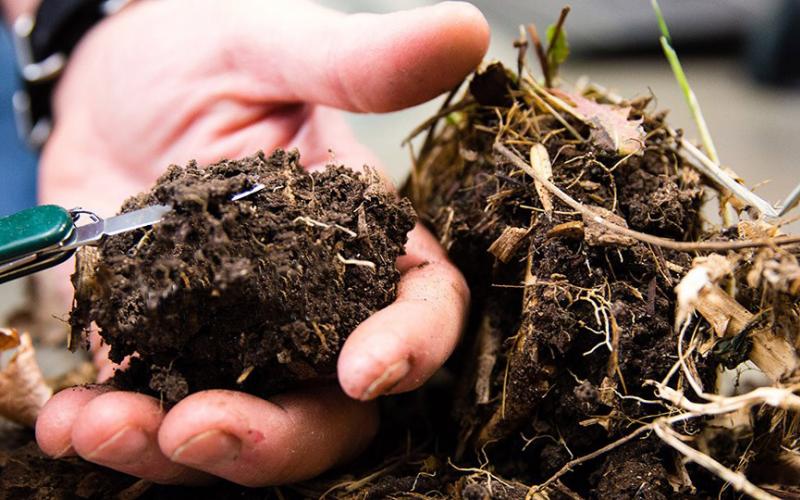
Soil: It’s Not Just Dirt
Most soils are complex ecosystems with worms, insects and microscopic organisms, which all work together in helping plants grow.

Organic Gardening: Soil Management
Gardeners throughout South Dakota are experimenting with organic gardening. While the adoption of organic gardening methods can be daunting, learning some fundamental soil management concepts will set the foundations for success.
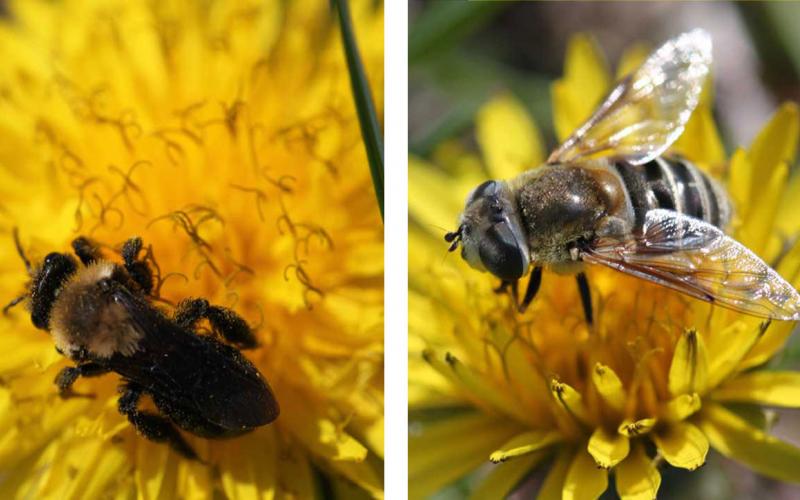
Should I Get Rid Of My Dandelions?
While there is much appeal to having a lawn that is free of other plants, there can be benefits. Some weeds that are sprayed out of lawns, including dandelions, can serve as early-season food sources for pollinators.
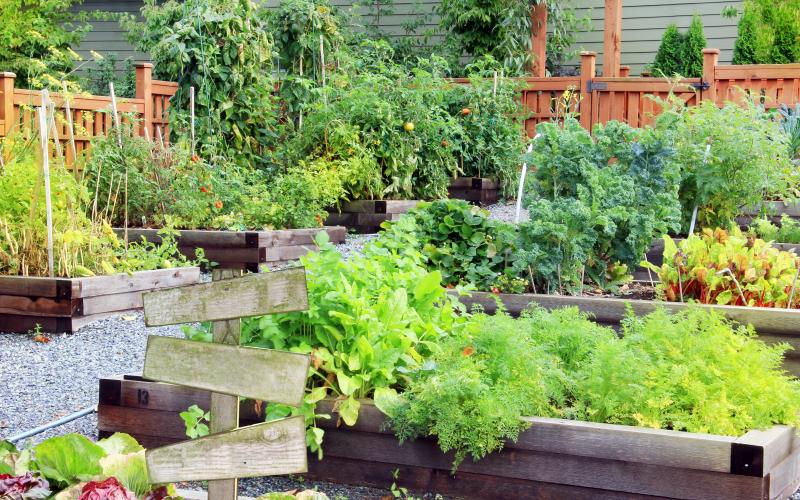
Fertilizing Gardens in South Dakota
Publication about fertilizing gardens in South Dakota
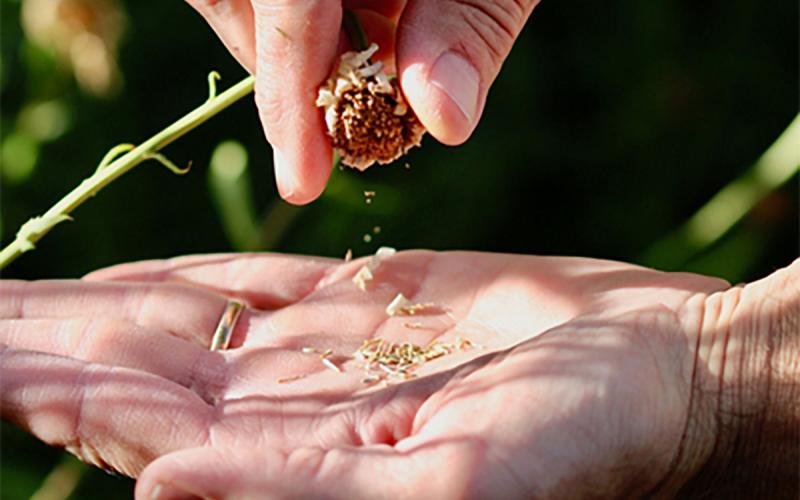
Saving Seed: Will the seed produce plants similar to the plant it was collected from?
It can be very rewarding to harvest and save seed of ornamental and vegetable plants. But why is it that sometimes when we plant the seed we saved, the results do not seem to be very like the plant we collected the seed from?