Nutrition at Every Age
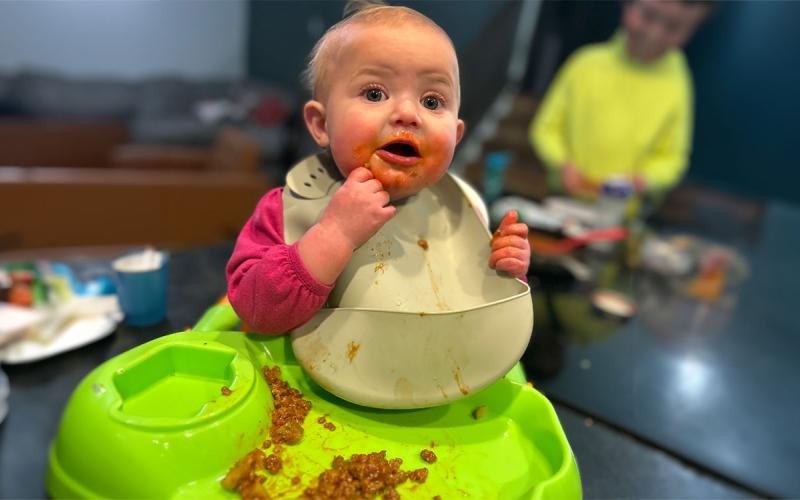
Introducing Solid Foods to Infants
The Dietary Guidelines for Americans and the American Academy of Pediatrics recommend introducing solid foods when infants are about 6 months of age. Learn some expert tips for getting your infant off to a great start!
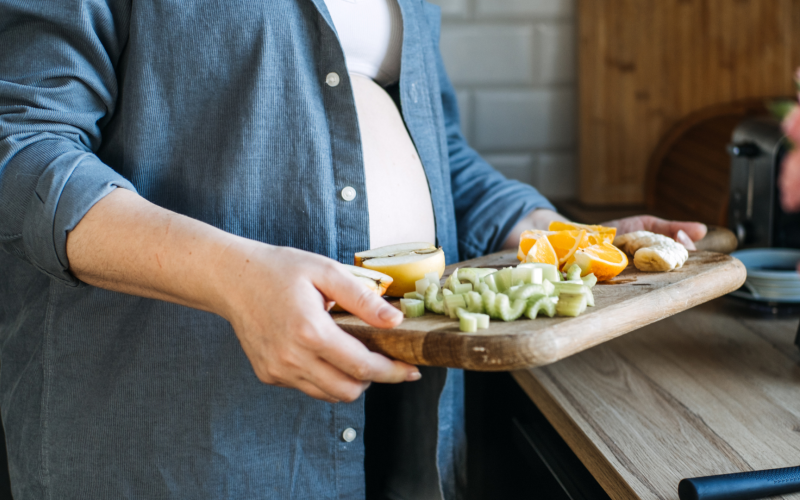
Nutrition During Pregnancy
During pregnancy, it is important to be mindful about the foods you are choosing to fuel you, and your growing child.
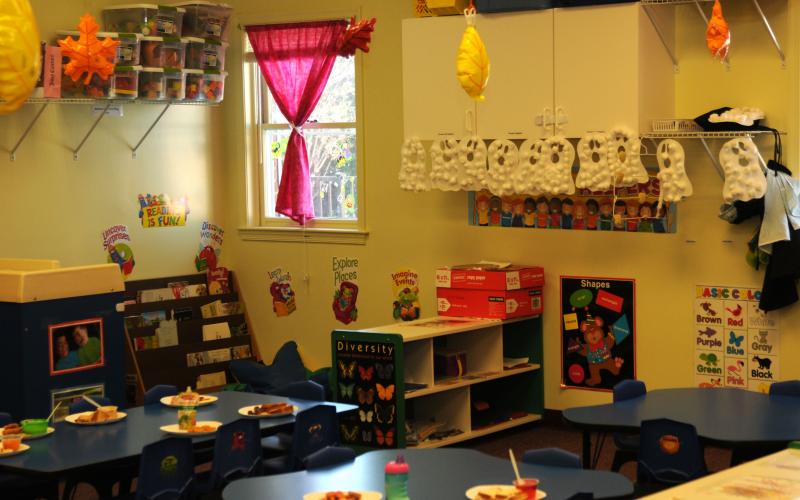
Importance of Proper Nutrition and Physical Activity in Early Childhood
Childcare outside the home is relatively common in the United States, as a majority of children ages two-to-five attend some type of childcare and spend roughly 30 hours per week in others care. Due to this, both parents and early childhood educators are responsible to ensure children are receiving the nutrition they need for proper childhood development.

Prenatals & Pregnancy
As your baby grows, so do the nutrition and supplemental needs for the expecting mother.

Keeping Health at the Forefront as a Busy Parent
It’s Monday, after a busy weekend traveling to sporting and school events, family gatherings and catching up on housework, an overwhelming feeling of stress and inorganization fills your mind. Your time is stretched thin and thinking about how to keep your children’s eating and exercise habits a priority, as well as your own, is something that feels too complicated and requires too much of your time.
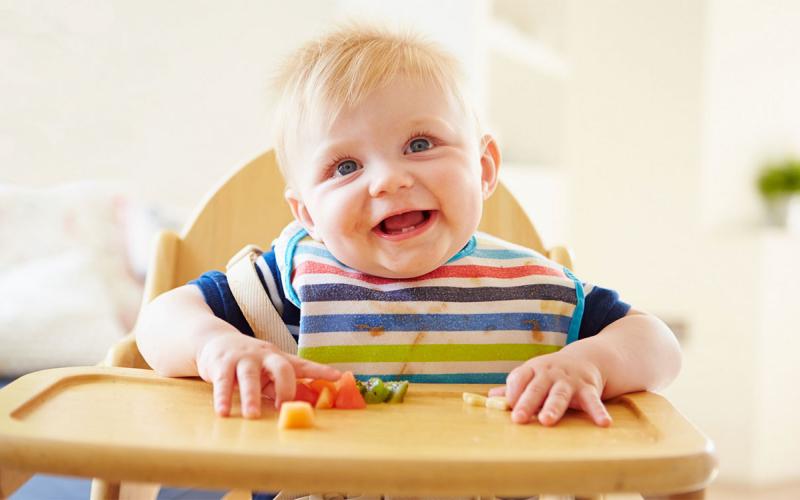
Baby-Led Weaning: An Overview
You may hear parents or some healthcare providers talking about baby-led weaning, but what is it?
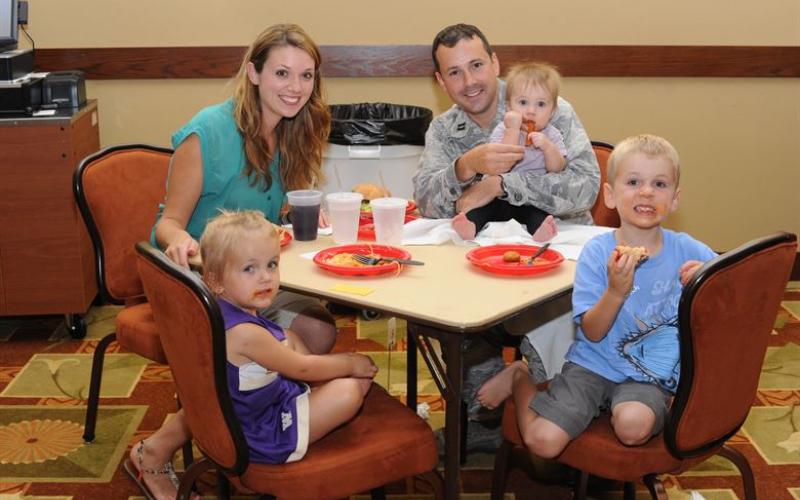
Make Time for Family Meals
With good planning and flexibility, well-balanced family meals and snacks can be possible on a tight schedule.
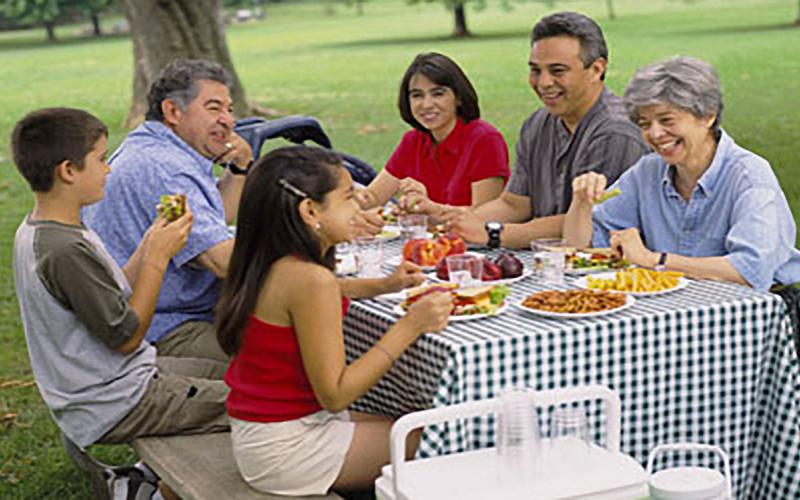
What Does Getting Older Have To Do With the Food We Eat?
As we get older, some of our nutritional needs change. Understanding how our nutrition needs change over time can help us stay healthy and prevent disease as we get older.
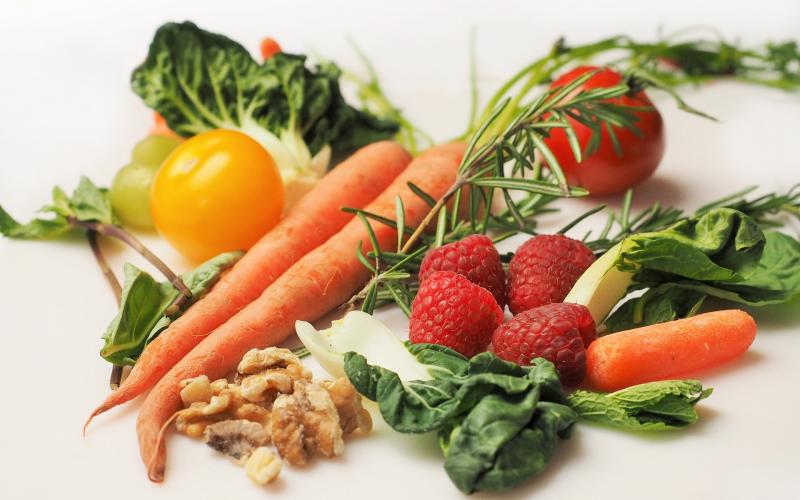
Vitamins & Minerals for Older Adults
No matter your age, it is important to get the right amount of nutrients each day.
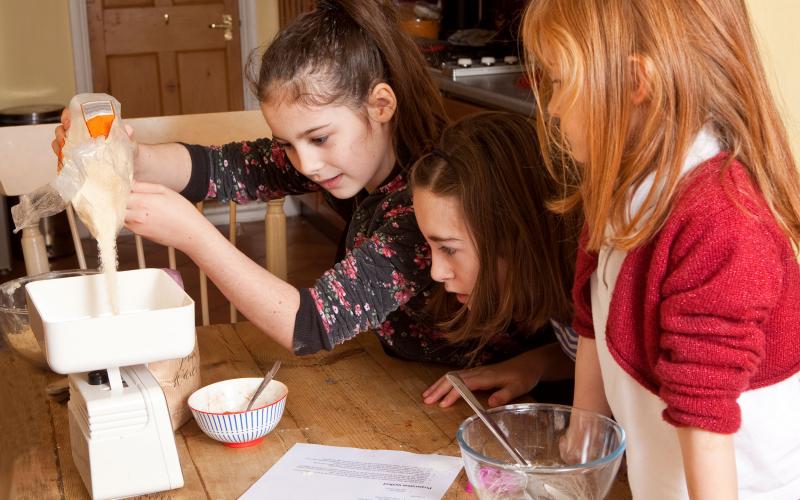
Teaching Math and Science in the Kitchen: 24 Ideas
Children can learn valuable skills in the kitchen: measuring ingredients, following a recipes, and much more. Have you ever considered that these skills double as math and science skills?