Crop Management
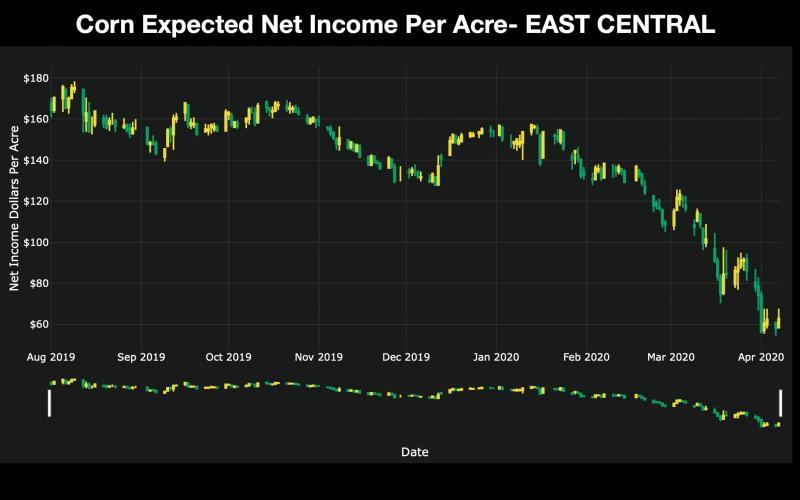
South Dakota Grain Net Income Tool
South Dakota producers can use the SDSU Extension Net Income Tool to monitor their expected net income per acre given their location, commodity of interest, and changes to market prices. The tool gathers the most-recent end-of-day market prices to determine the latest expected net income for wheat, corn, and soybeans in the different regions of the state.

2020 Planting Decisions
Planting decisions for this spring are complicated given the recent spread of COVID-19. A very busy planting season is approaching quickly. Input suppliers and farmers will be met with a requirement to complete tasks timely to evade economic losses from delays.
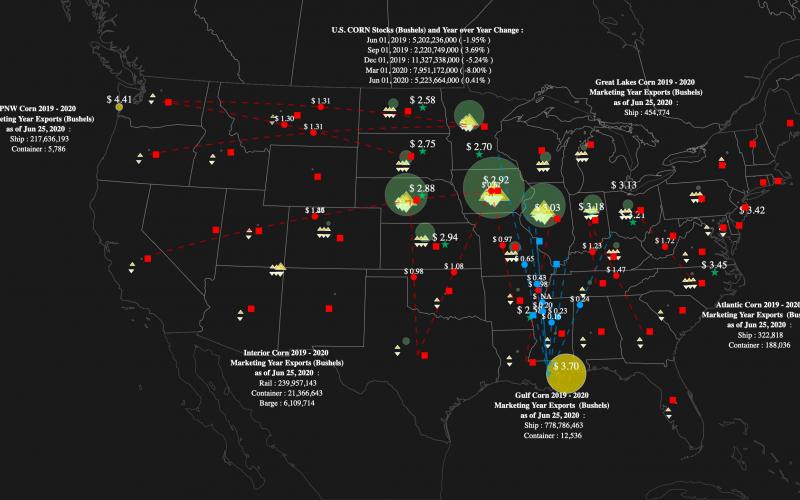
Interactive Grain Report Tool
The SDSU Extension Interactive Grain Report Tool is a comprehensive, real-time agricultural market intelligence platform providing detailed analysis of U.S. grain markets, biofuels production, fertilizer markets, and transportation infrastructure.
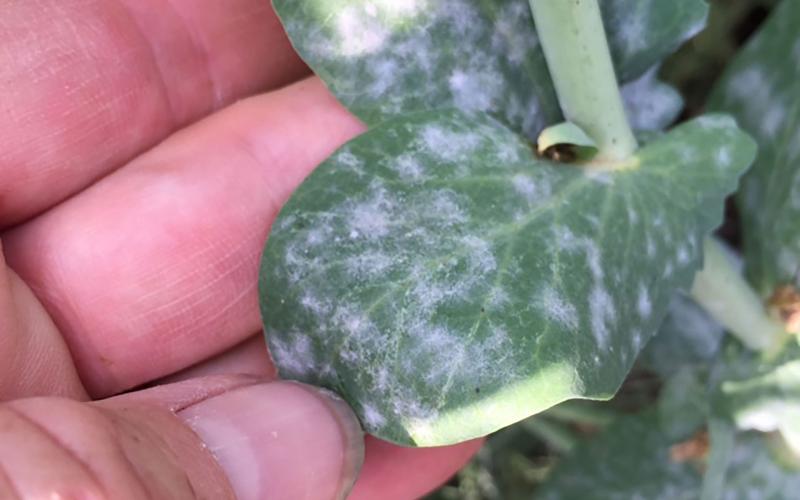
Powdery Mildew: A Disease Concern in Field Peas
Producers of field peas may need to scout for powdery mildew this year. Powdery mildew is a late-season fungal disease that can impact peas if weather conditions are conducive. However, this disease can also occur in early planted fields in South Dakota under the right environmental conditions and when the crop canopy is heavy.

Monitor Canola Fields for False Chinch Bug Activity
While scouting canola this week, I came across a field that had plants along the edge that looked like they were suffering from drought stress, but given the recent rain I doubted that to be the case. Closer inspection of the stressed plants indicated that they were covered in false chinch bugs. Although false chinch bugs are not normally an issue in canola, very large populations do have the potential to reduce yield.
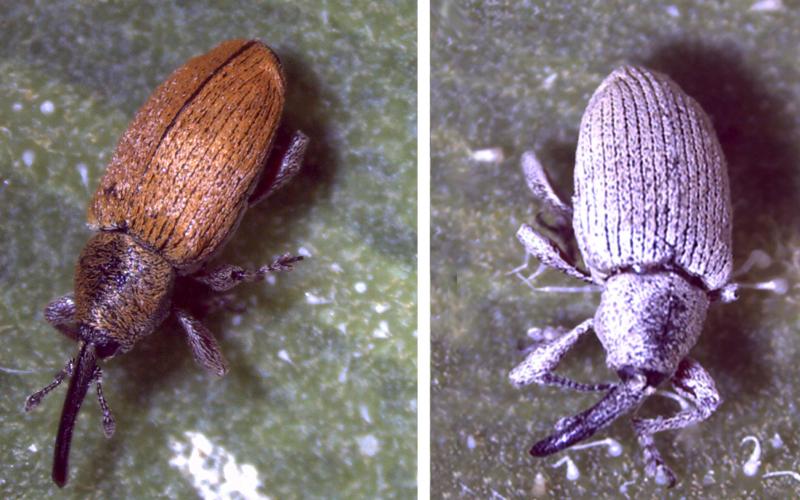
Differentiating Two Species of Sunflower Seed Weevils
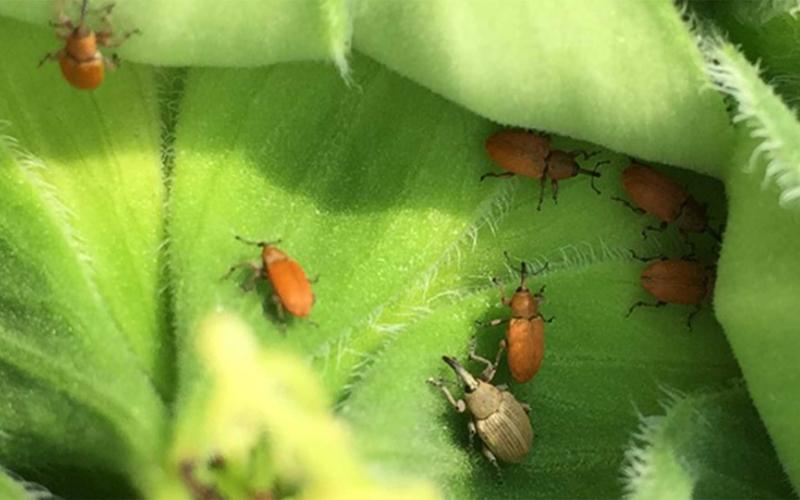
While scouting sunflower, there are two types of seed weevils that you may encounter. They are the red sunflower seed weevil and the gray sunflower seed weevil. It is possible to observe both of these species on a single sunflower head.
Watch for Red Sunflower Seed Weevils
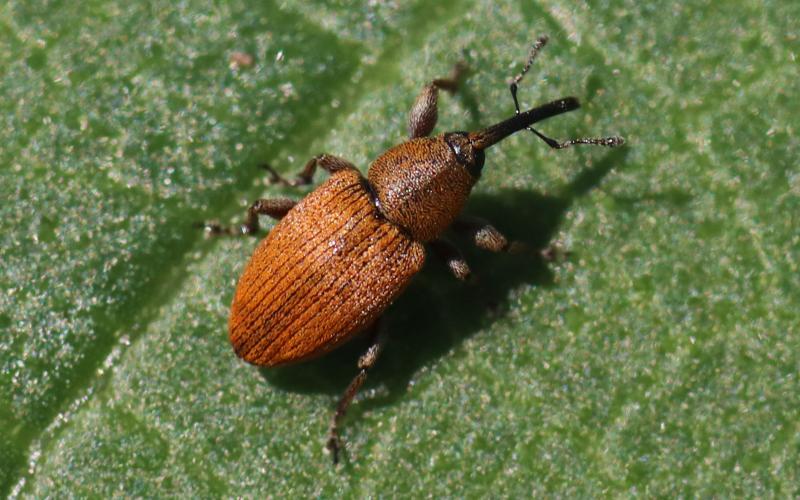
In South Dakota, sunflower flowering is well underway. That means it is time to start scouting fields for red sunflower seed weevils. During the last two years, red sunflower seed weevil populations have been higher than normal with areas that exceeded the thresholds by as many as 300-500 adults per sunflower head.
Peas Offer Options in 2020
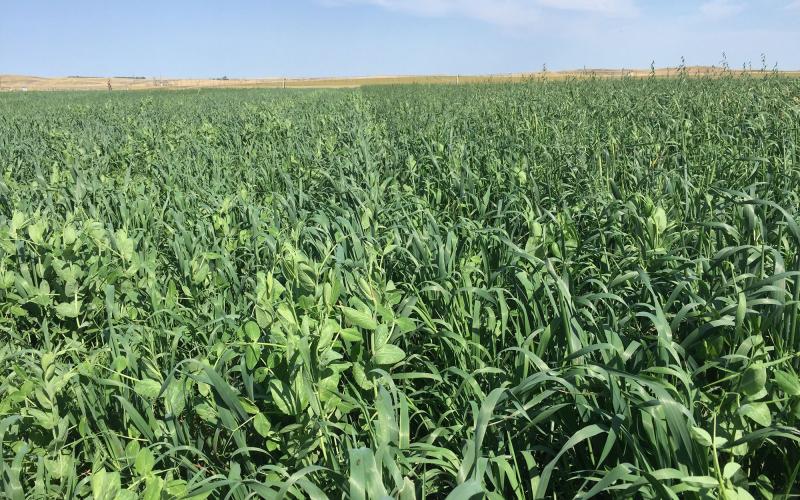
Current events have made decisions around crop options very difficult this spring. Field peas are an option that may have a fit for some producers.

False Chinch Bugs Are Active in Canola
We have received reports of false chinch bug populations in canola this week. Heavily infested canola fields will sometimes appear drought stressed, but closer inspection reveals that false chinch bugs are the culprits for the wilting plants.
Identifying Red and Gray Sunflower Seed Weevils
When scouting sunflower, the most observed weevil is the red sunflower seed weevil. However, there are two species of seed weevils that can be present on sunflower heads in South Dakota.