Child Care Providers
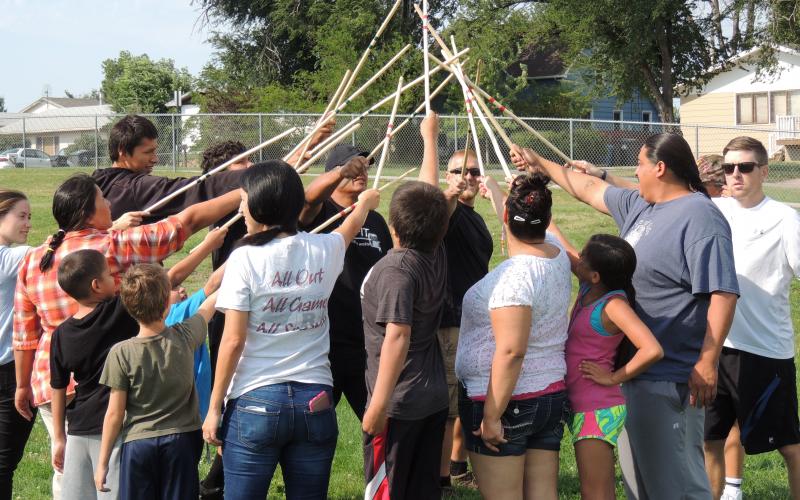
Dakota & Lakota Traditional Games Resource
Play these games to promote the development of physical endurance, coordination, dexterity, quickness and strength.
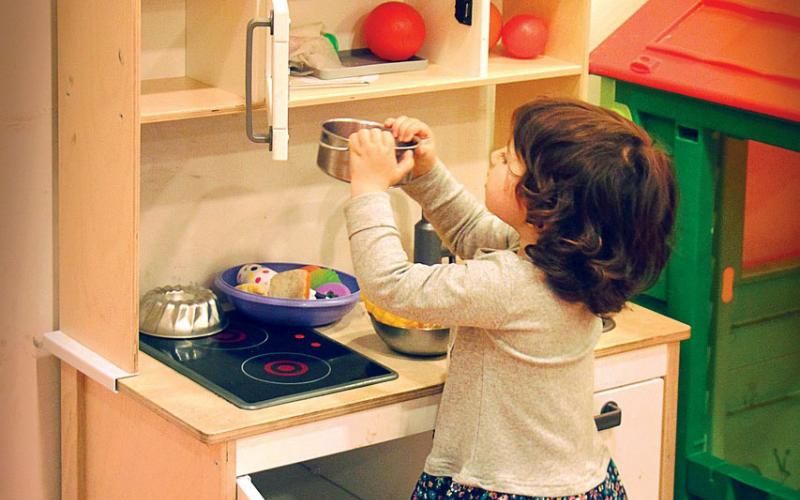
Ages and Stages of Youth Development
Fact sheet on the ages and stages of youth development.
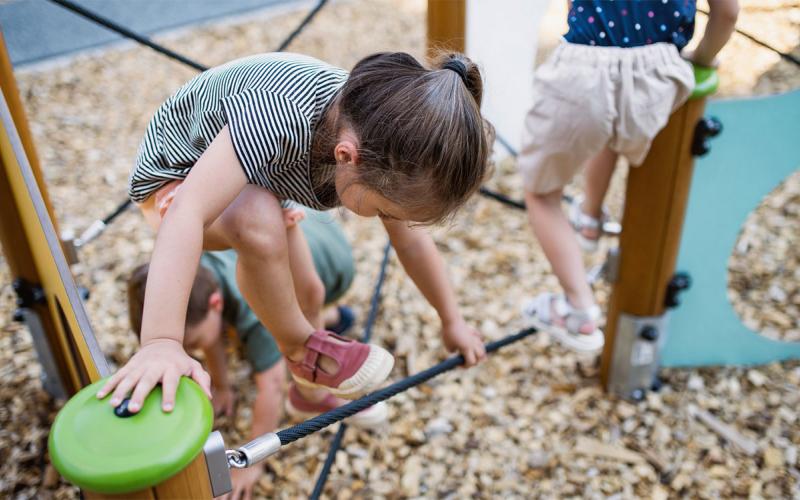
Kids Are Tough, but They Still Need Resiliency Skills!
Kids are tough, but how can we teach them to become resilient and recover from the difficulties they will face during their childhood? Learn some tips to help children build resilience during difficult times.

The Importance of Becoming a Registered Provider
Are you thinking of starting a daycare, or are you currently operating a childcare practice? Many parents and families look for places that are registered and licensed.
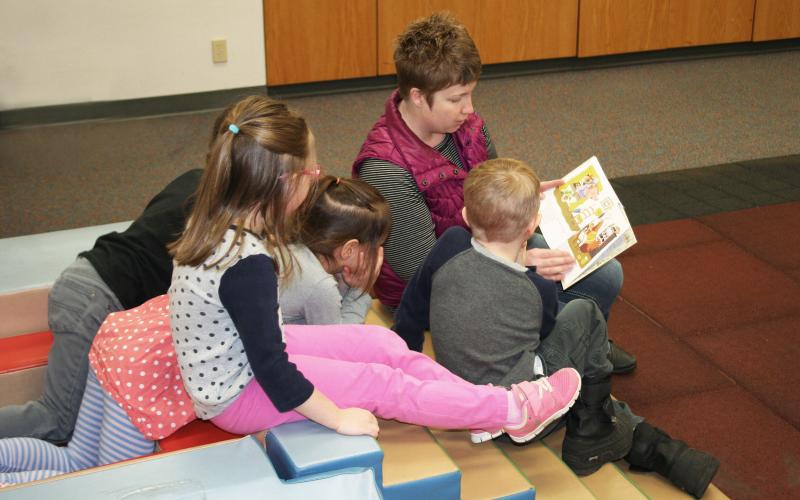
Reading for Resilience
Caregivers play a significant role in young children’s emotional development in addition to helping them cope. Using children’s literature in an interactive way, caregivers can help children heal. Using an engaging format, Read for Resilience may help children better understand their experiences and improve their coping skills.

Ages & Stages in the Garden: Ages 6-8
A garden can be used to teach many concepts to a board range of ages. When working with early elementary youth you will want to consider characteristics of their development when planning lessons and activities.
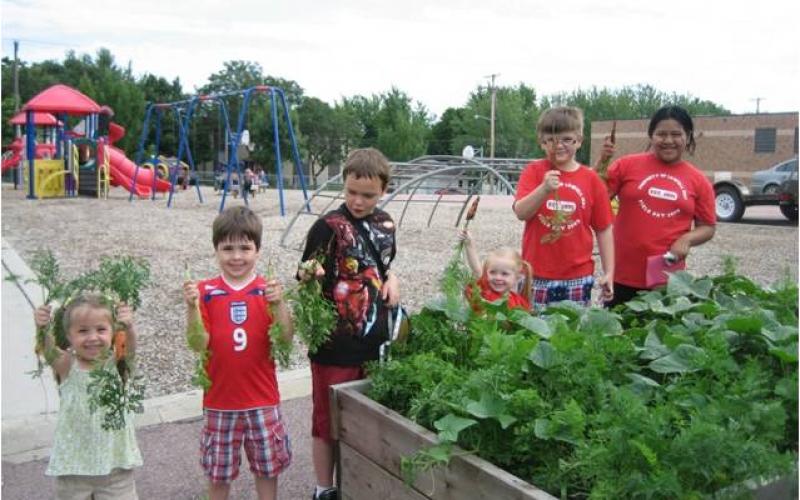
Ages & Stages in the Garden: 4-5 year olds
If considering a garden-based learning program for four to five year-old it is important to understand some of their developmental characteristics prior to planning your program. Young children’s abilities will differ greatly from older youth.

SDSU Extension experts receive national awards for mental health, early childhood programming
October 17, 2023
SDSU Extension’s Mental Health First Aid team received a regional Excellence in Extension Team Award, and SDSU Extension Early Childhood Field Specialist Audrey Rider is on the team that won a regional and national Excellence in Multi-State Collaboration Award from the National Extension Association for Family and Consumer Sciences.
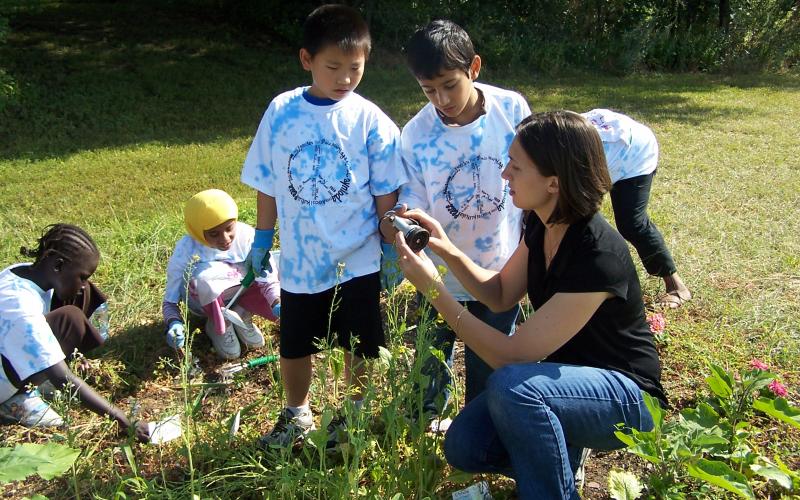
Ages & Stages in the Garden: Ages 9-11
When working with upper elementary youth in a garden consider their physical development and skill level as you develop learning activities. Nine to eleven year olds have better coordination and reaction time by this age, however sometimes dues to growth spurs there can be short-term issues with balance and coordination. Additionally, these children have more body strength and their hand dexterity has increased.