Chemical Safety

Over-the-Top Dicamba Ruling Explained
On February 6, 2024, the U.S. Environmental Protection Agency was ordered to vacate the registrations for dicamba products registered for over-the-top applications on dicamba-tolerant cotton and soybeans. Learn how the ruling will impact the upcoming growing season and beyond.

Dicamba Label Vacated: What are the implications for weed control in soybean?
The dicamba labels (Xtendimax, Engenia, and Tavium) have recently been vacated, which effectively means these products cannot be applied over-the-top of tolerant soybeans. Learn some important considerations for soybean weed control in the upcoming growing season.
Read the Label
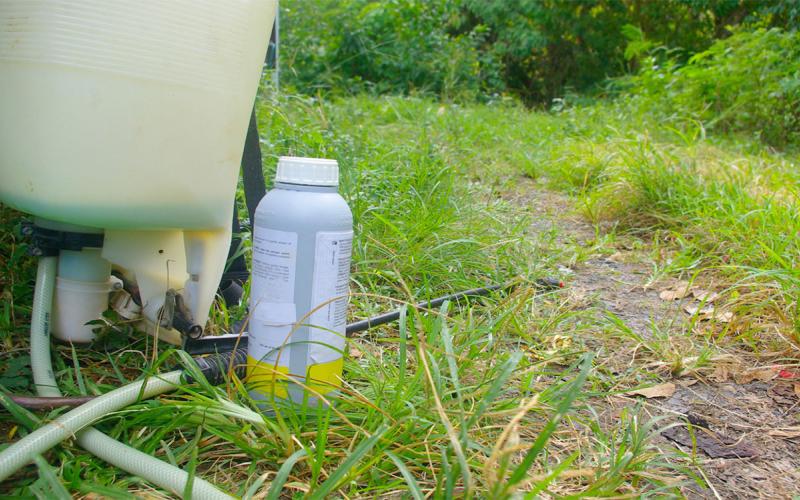
Last year, Bayer announced they would be phasing out glyphosate from the homeowner market, but they would be keeping the Roundup name for future marketing. Learn some important label considerations when purchasing Roundup-branded products.

Chlorpyrifos Tolerances Revoked by U.S. Evironmental Protection Agency
In August 2021, a final rule was released by the U.S. Environmental Protection Agency for the insecticide active ingredient chlorpyrifos. The rule revoked all tolerances for chlorpyrifos.
A Ban or New Rules for Chlorpyifos May Be Coming Soon
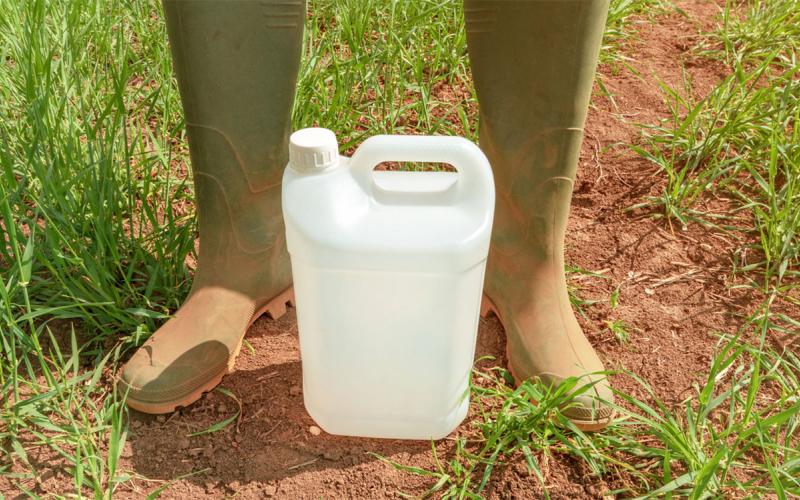
Recently, a federal appeals court gave the U.S. Environmental Protection Agency a 60-day deadline to either ban insecticides containing chlorpyrifos or set new guidelines for its use.

What to Do With Unusable Home and Garden Pesticides
As a gardener or homeowner, you may be wondering what you can do with your leftover pesticide products (including herbicides, insecticides, and fungicides), or maybe you bought a new home and the garage or basement is full of mysterious containers with no labels. If products are stored in garages or other areas with a lot of temperature changes, these products may become entirely unusable. So what to do?

Wearing a Respirator? Then No Facial Hair for You!
At commercial or private applicator re-certification trainings, it is possible to hear the phrase, “Don’t wear a respirator if you have facial hair!” Facial hair, whether a full beard or stubble, may prevent respirators from sealing to the skin or interfere with their valve function.

How to Properly Launder Insecticide-Contaminated Clothes
It is important to prevent insecticide exposure from occurring when laundering contaminated or potentially contaminated clothing.