Beef Reproduction and Genetics
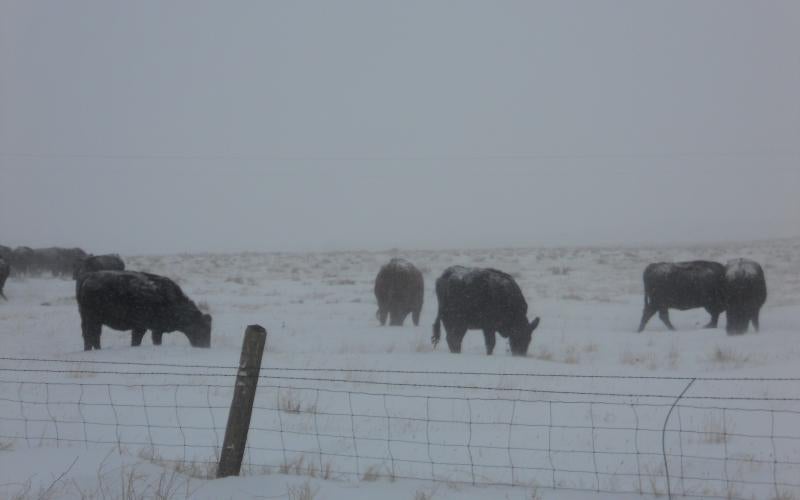
Spring Storm Fronts Impact Calving Patterns
While the changes in calving patterns in association with weather fronts is nothing new to producers, it is beneficial to keep this in mind as calving season shifts into high gear. Cold fronts are the type of weather systems that will create the pressure and temperature changes associated with increased birth rates.
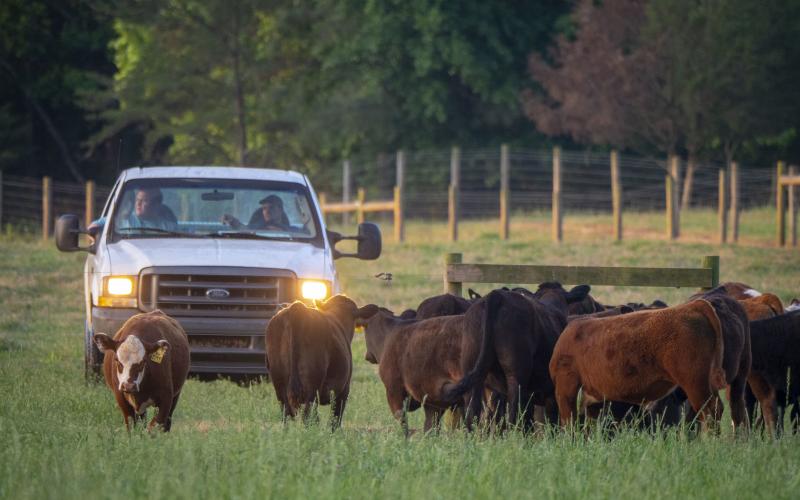
Managing Stress to Reduce Early Embryonic Loss in Beef Cattle
With the majority of pregnancy losses occurring in the embryonic period, it is critical to mitigate losses in livestock by managing stress and avoiding transportation when the embryo is most susceptible to mortality.
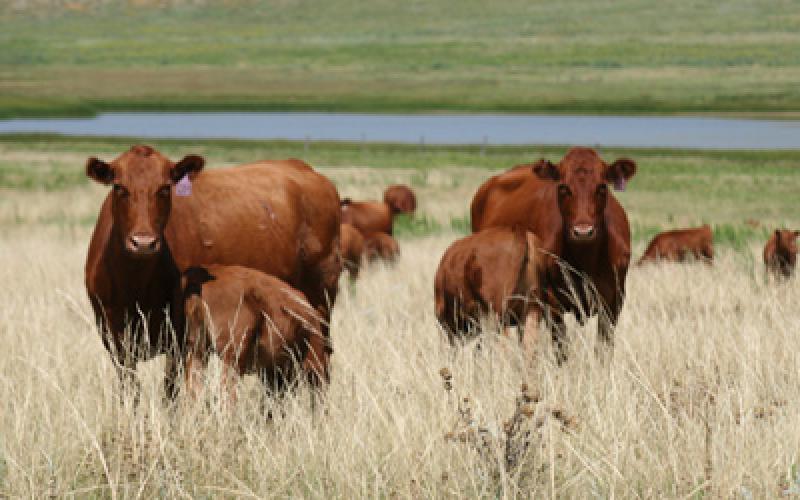
The Cost of Late Calvers
Pounds of beef sold is a key number for cattlemen. Late calvers the cows that drag out the calving season, may cost producers more than extra work and management, they may actually be costing dollars.
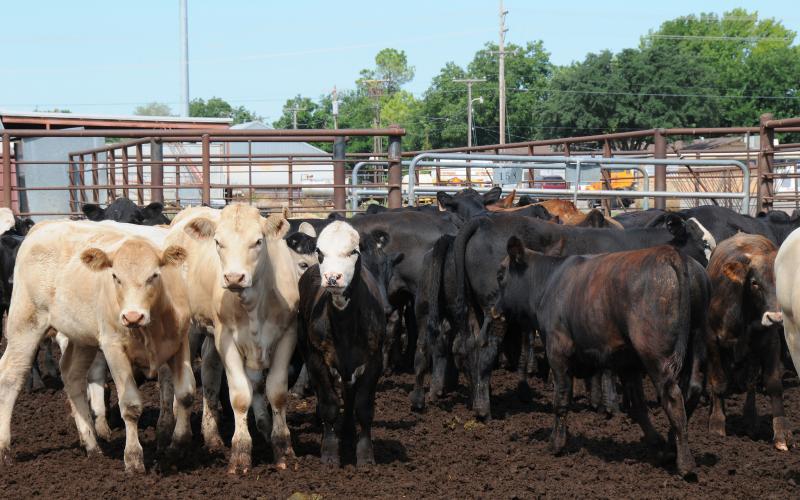
Mineral Sources May Impact Reproductive Efficiency
It is well-known by producers and feed specialists that trace minerals play an essential role in physiological functions. Minerals like copper, iodine, manganese, selenium, and zinc are important in embryonic development.
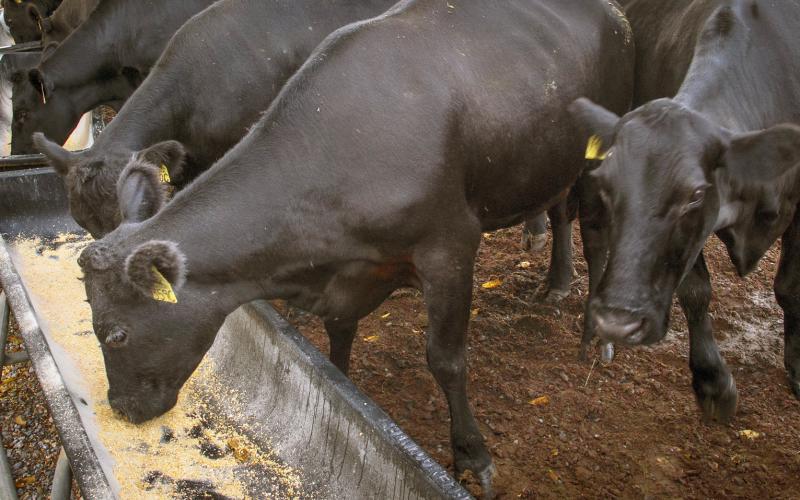
Impacts of Nutrient Restriction on Heifer Pregnancy Success
Understanding the factors impacting reproductive failure within heifers is critical to implementing management strategies that will improve heifers’ chances of remaining within the beef herd and successfully producing calves.
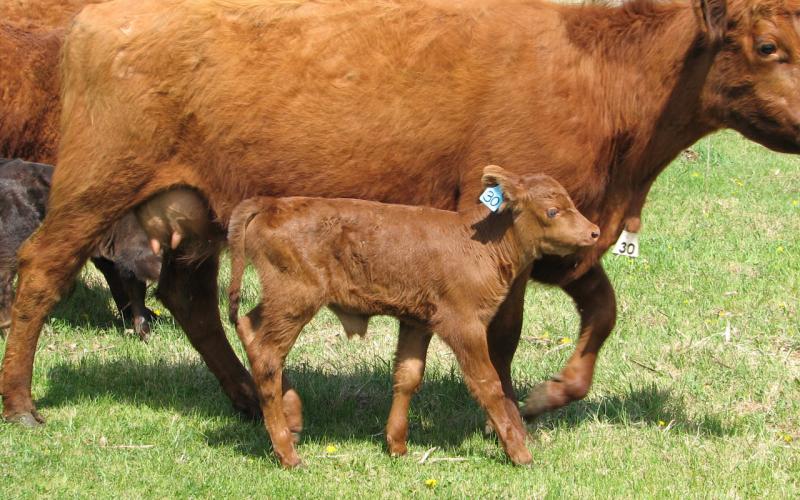
Fetal Programming of Carcass Characteristics
Fetal programming effects on carcass traits as well as offspring growth are currently a large focus area in beef research.