Beef Reproduction and Genetics
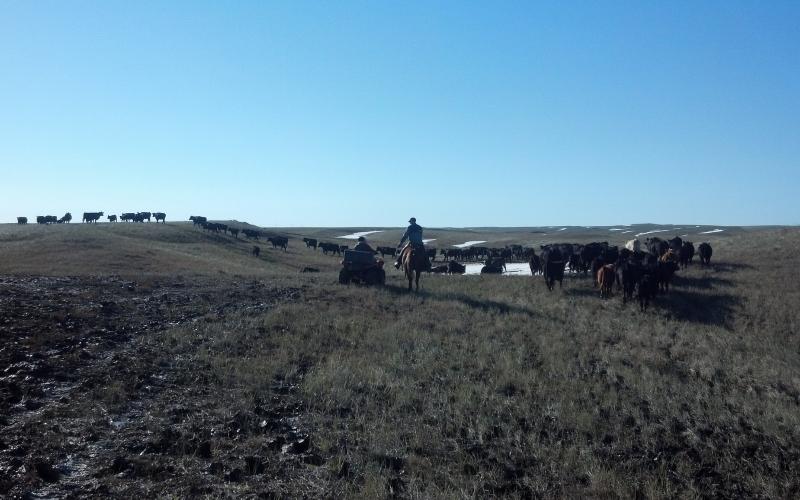
Late-Term Reproductive Losses in Beef Cattle: Diagnosing the Cause
Reproductive losses account for $1 billion in lost revenue to the beef industry each year. With cattle reproduction, focusing on what we can control and diagnose is the key to avoiding these losses.
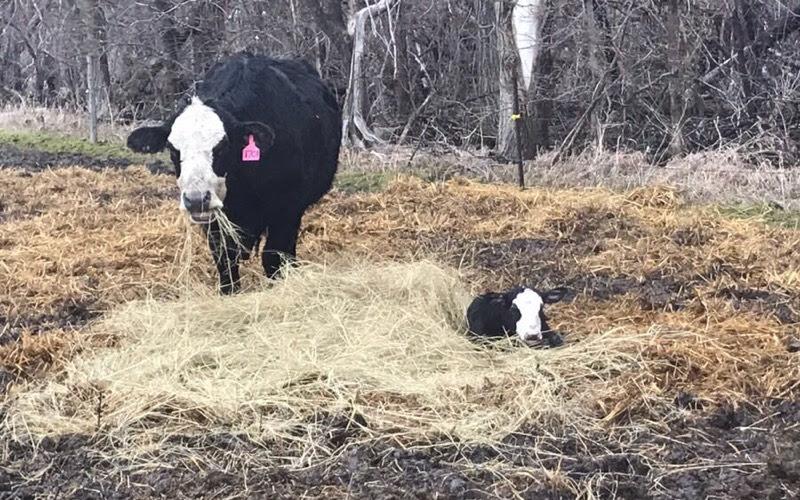
Planning for a Muddy Breeding Season
Early calving spring cow herds have wrapped up calving and are preparing for breeding season. If you are having flashbacks to breeding in the mud of 2018, try approaching this year with an open mind and review breeding season protocols with a “mud” backup plan.
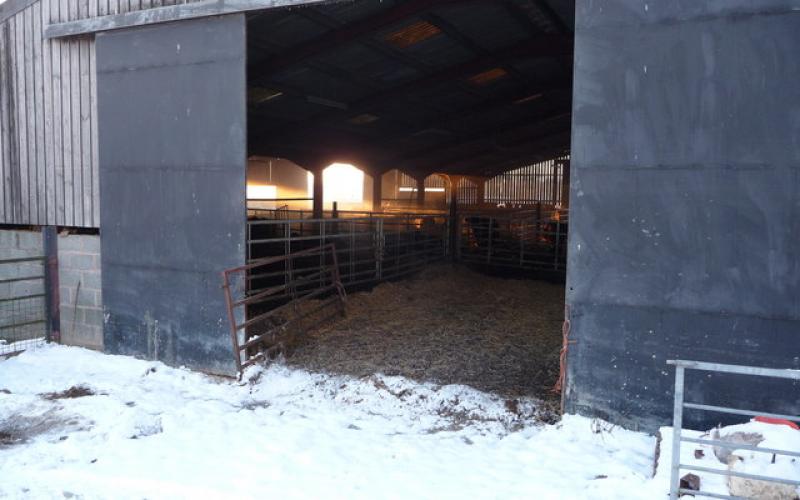
How Often Should You Check Cows During Calving Season?
The routine “calving check” is one of the most important tasks on the list of beef cattle producers during calving season.
Minimizing the Neospora Threat by Using Serology in Beef Replacement Heifer Selection
Neospora caninum is one of the lesser-known causes of infectious reproductive failure in beef herds. It’s always possible for herds to encounter new Neospora infections in a given year, but in herds in which it’s already established, using Neospora serology can be one consideration in choosing replacement heifers.
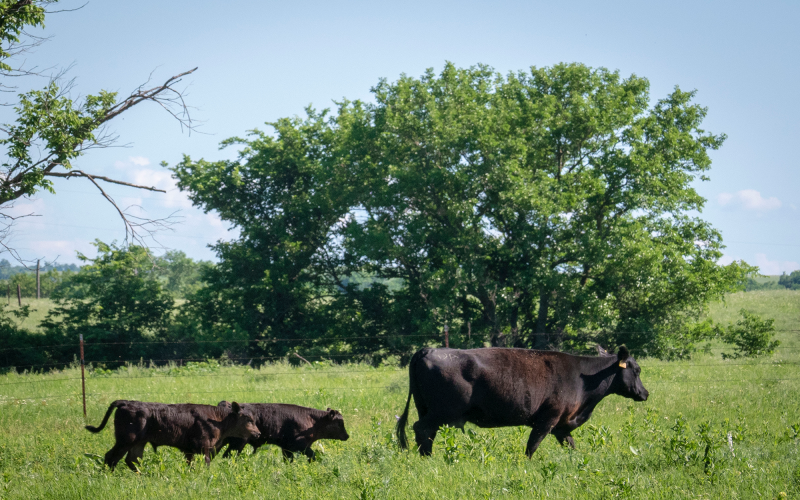
Lessons From Alternative Calving Workshops
Recently, the South Dakota Grassland Coalition and SDSU Extension held workshops across the State focused on sharing information from experienced livestock producers who have switched to a calving date more in sync with nature.
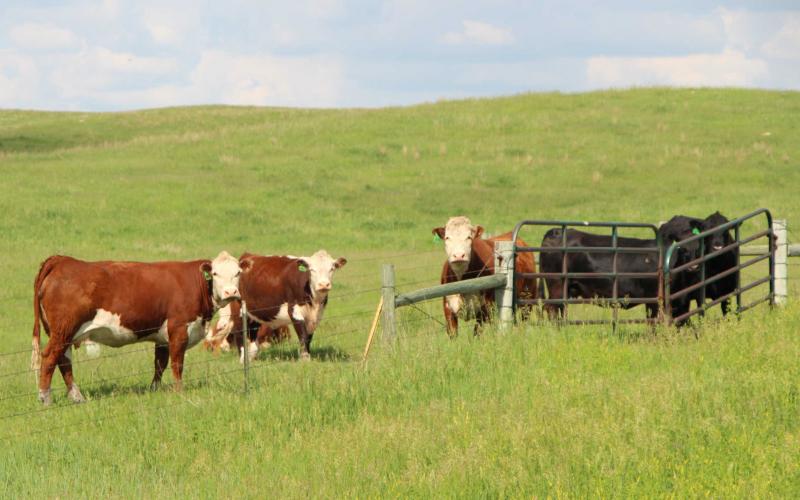
Cow Herd Options
April 2018 and 2019 blizzards caused stress to the region’s cowherds, and for some herds changed the calving distribution. 2020 brings a chance to re-establish a preferred calving distribution.
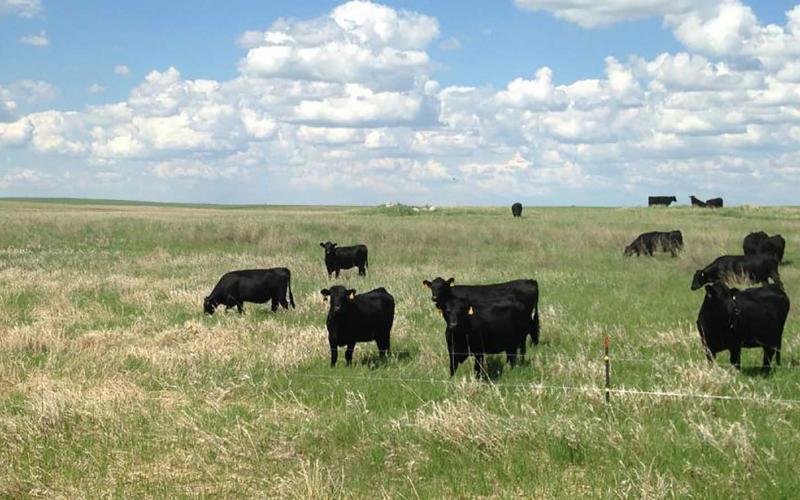
Rancher’s Perspective on Challenging Heifers
This article will share a rancher’s perspective on challenging heifers during the breeding season in Northwestern South Dakota.
Using Increased Longevity to Reduce Annual Cow Cost
When evaluating annual cow cost, feed rises to the top of the list. Feed cost is an important area to consider; however, have you evaluated the cost of incorporating replacement heifers into the cowherd?
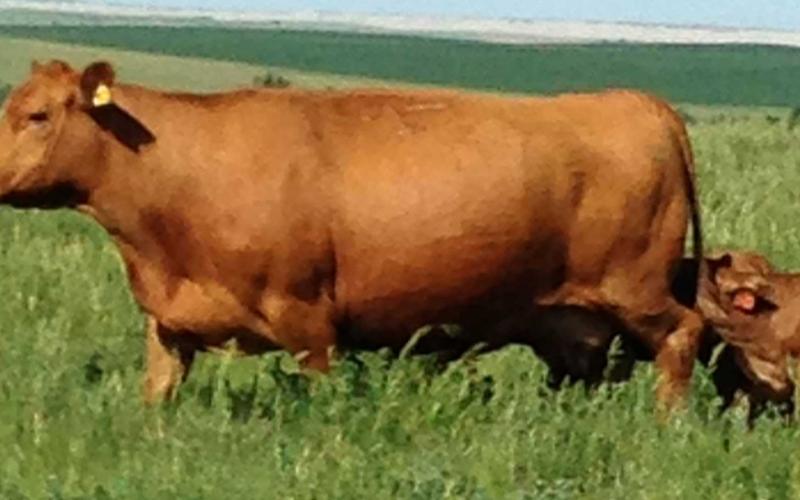
Alternative Calving Considerations
Structuring a calving program that best suites farm and ranch operations can be challenging. Of primary concern are: weather, labor, market timing, and animal health considerations, with weather possibly being the most volatile factor, as it ranges from challenging to catastrophic in some years.
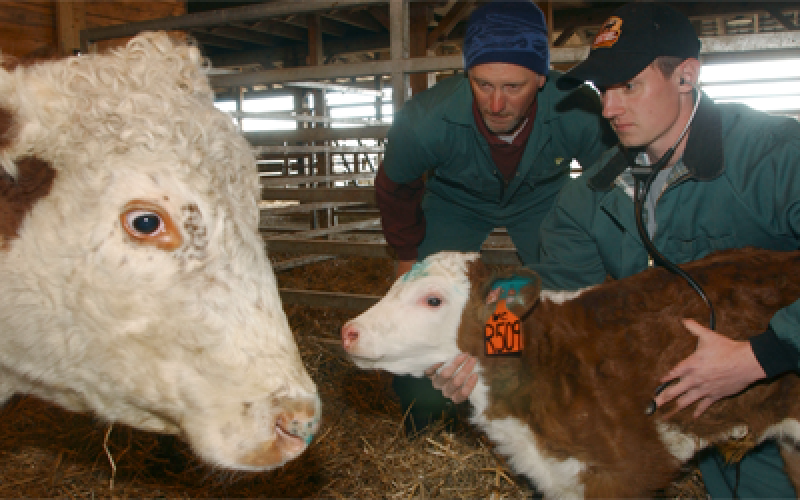
Are You Moving Enough Air in Your Calving Barn? Part 2: Effects of ineffective winter ventilation
High humidity, moisture, and increased levels of air contaminants due to ineffective ventilation can lead to significant health issues in our animals. This is especially of concern to our most sensitive sub-population, newborns and the very young. Even calves that receive adequate colostrum and a good nutritional start to life will have health challenges if they live in highly contaminated environments.