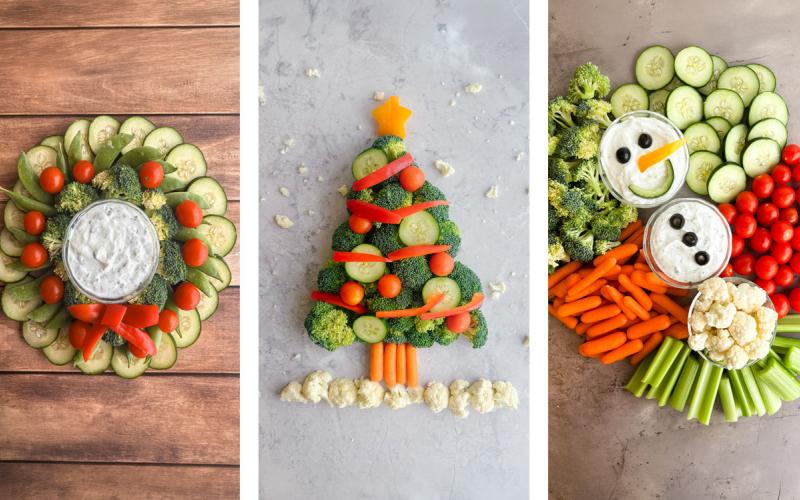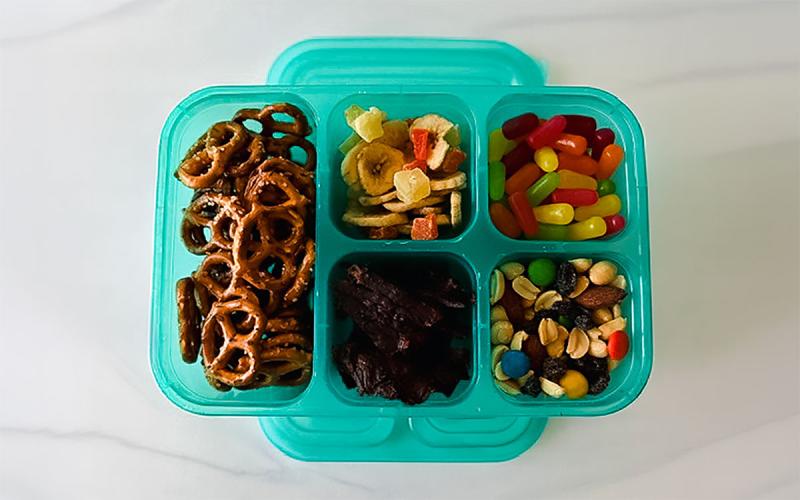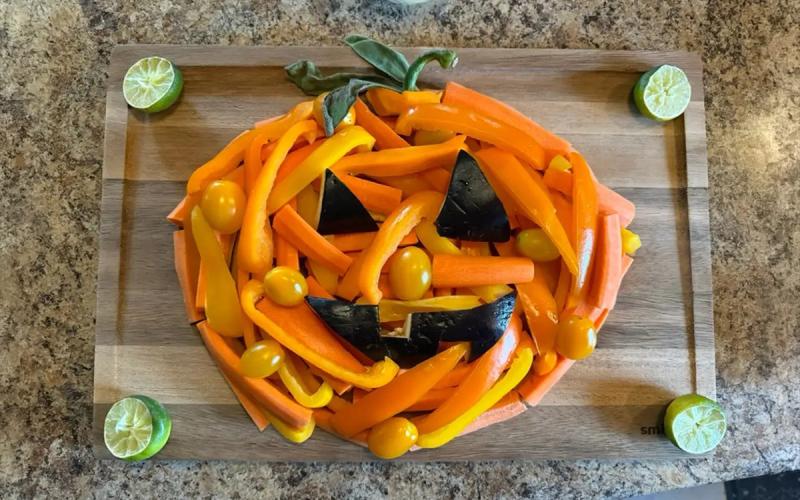
October marks the start of the holiday season, bringing a fun-filled sense of excitement as neighborhoods come alive with trick-or-treating, creative costumes, and the joy of dressing up. It’s a time when imaginations run wild, costumes take center stage, and communities gather to celebrate the playful spirit of Halloween. For some children, Halloween can be a difficult experience when dietary restrictions limit what they can safely enjoy. While others eagerly gather candy and indulge in treats, kids with food allergies or other dietary needs may feel left out. This can take away from the excitement of trick-or-treating and make an otherwise joyful tradition feel isolating. Creating awareness and offering inclusive options can help ensure every child feels part of the celebration.
This year, consider starting new Halloween traditions that bring a healthier twist to the celebration. Below are a few tips to consider.
Balance
Remember that what children eat on a daily basis has the greatest impact on their overall health and nutrition. Since holidays and celebrations only happen occasionally, sweets don’t need to be completely restricted. Consider offering healthier snack options first when hosting and save the treats for later to help create a balanced approach.
Portion Control
Offer smaller portions of special treats, such as fun-size candy or options for mini baked goods; muffins, cupcakes, cookies, or brownies. Instead of leaving sweets for children to take as they please, give each child a set serving to help manage portions more effectively.
Healthier Alternatives
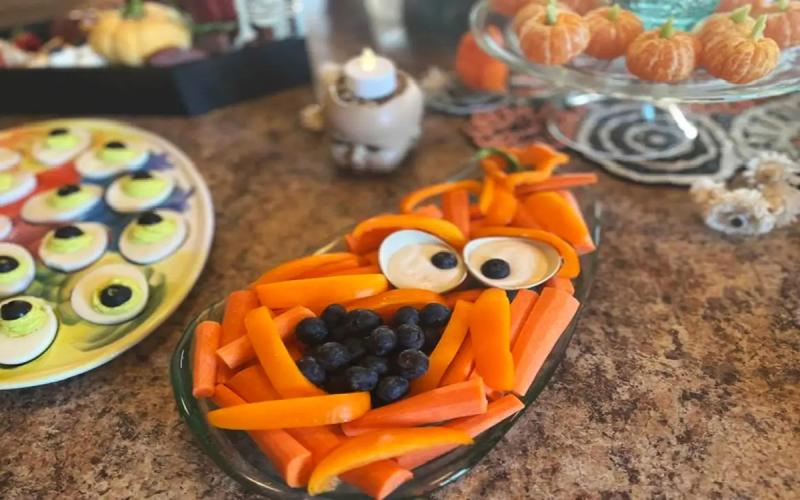
Making your own treats gives you greater control over the ingredients used. Look for opportunities to add nutritious options like fruits, vegetables, or whole grains. For healthier options, try roasted pumpkin seeds with a seasoning of choice or chocolate dipped fresh fruit. You could also incorporate pumpkin puree into baked goods like muffins or cupcakes to boost fiber.
- Apple slices with peanut butter and ‘monster’ faces (raisins or mini chocolate chips)
- Chocolate dipped strawberries or bananas
- Clemetines decorated like mini pumpkins (draw faces with a marker)
- ‘Halloween trail mix’ (popcorn, pretzels, nuts, and a few dark chocolate chips)
- Mini whole grain muffins (pumpkin, banana, or applesauce-based)
- Oatmeal cookies with less sugar and add-ins like raisins or nuts
- Baked apple chips
- Dark chocolate squares instead of full-size candy bars
- Yogurt-covered raisins or pretzels
- Low-sugar granola bars
- 100% juice boxes
- No sugar added squeezable yogurt tubes or pouches
Non-edible Options
While candy is a traditional part of Halloween, there are plenty of alternative options to consider. Kids are often excited about fun non-food treats, just as much as sweets. You can hand out items like stickers, bubbles, glow sticks, etc. For more suggestions, try asking your own children or others you may know what non-food items they would enjoy. Offering a variety of options not only excites kids but is also appreciated by other parents.
- Glow sticks or glow necklaces
- Bouncy balls
- Squishy toys
- Crayons and coloring books
- Stickers
- Temporary tattoos
- Slime or putty
- Halloween bracelets
- Slinkies
- Pop-it keychains
New Traditions
If you are looking to skip the candy and celebrations altogether, try starting a new tradition. Enjoy a night in watching a movie together or put on a family pumpkin decorating or carving contest. Teach your children to give back by making and delivering treats or cards to neighbors or nursing homes. They may find so much joy in giving that enjoying the candy themselves becomes less important.