Search
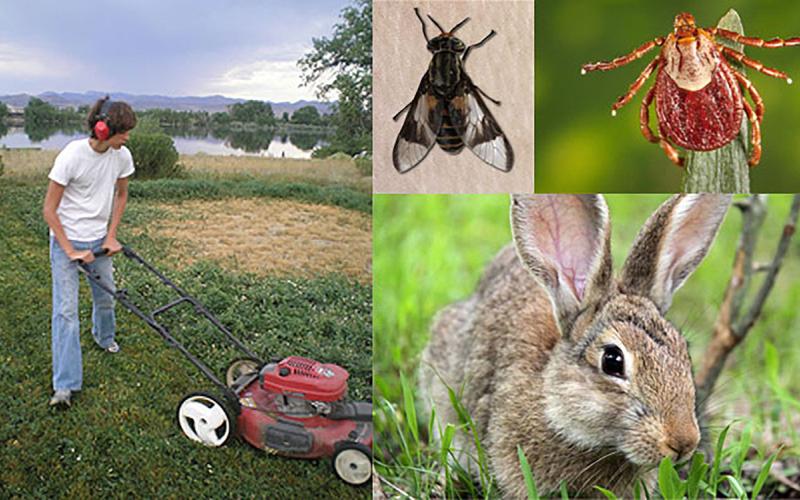
Tularemia in Animals in South Dakota
Tularemia is a relatively rare, but serious, disease that has potential to cause disease in people through their contact with infected animals or insect vectors. Learn how it's transmitted, diagnosed and treated.

SDSU Extension welcomes new Beef Nutrition Field Specialist to Mitchell office
September 08, 2023
South Dakota State University Extension is pleased to welcome Sydney Vanderhoff as a new Beef Nutrition Field Specialist.

Focus on Grazing Management, Not Grazing ‘Systems’
Focusing only on the system and forgetting the fundamental truths of grazing will break any grazing strategy. Producers should instead focus on intensive management, making informed decisions based on the current conditions.
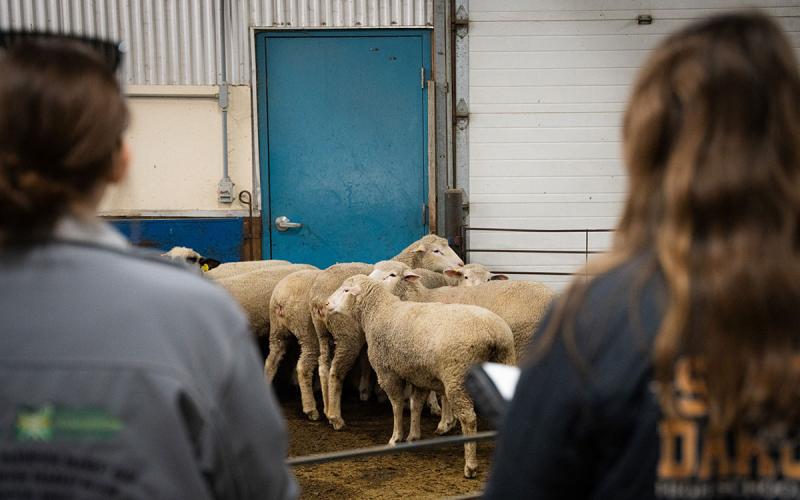
Managing Sheep Keds
Sheep keds (Melophagus ovinus) are blood-sucking external parasites that can significantly impact sheep production.
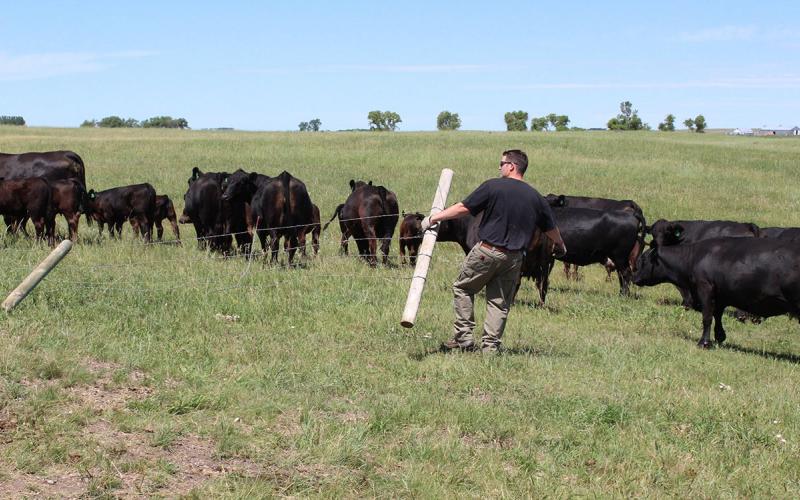
Grazing Contracting
For those who own grasslands not typically grazed, or for those looking for a better contract basis, there are several grazing contract options that can be explored.
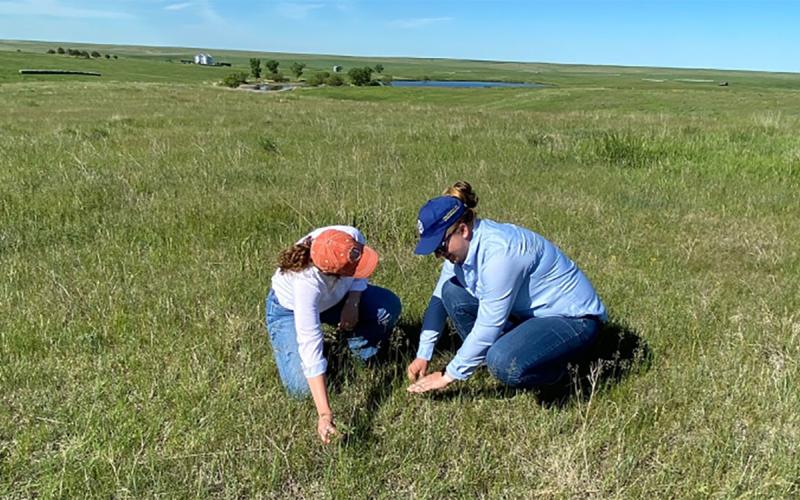
Range Roundup: South Dakota Women on the Range
With the percentage of women in agriculture expected to grow over the next few years, SDSU Extension will be launching a new program called South Dakota Women on the Range. The program will educate women about the importance of range management, while also empowering them to become leaders in the agriculture industry.

Aging Well

Strength Training for Older Adults
Strength training can be intimidating for older adults, but it plays a crucial role in keeping muscles and bones strong as we age. Learn some expert tips for starting a strength training routine today!
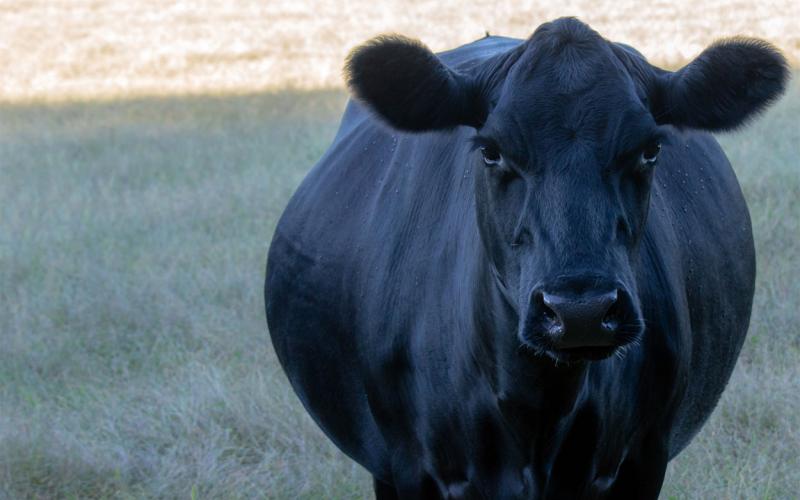
Late Gestation Planning Prior to Calving
For most, weaning is in the books and pregnancy detection is complete or soon to be underway. Now is the time to pay attention to those pregnant cows out on crop residue or grass.
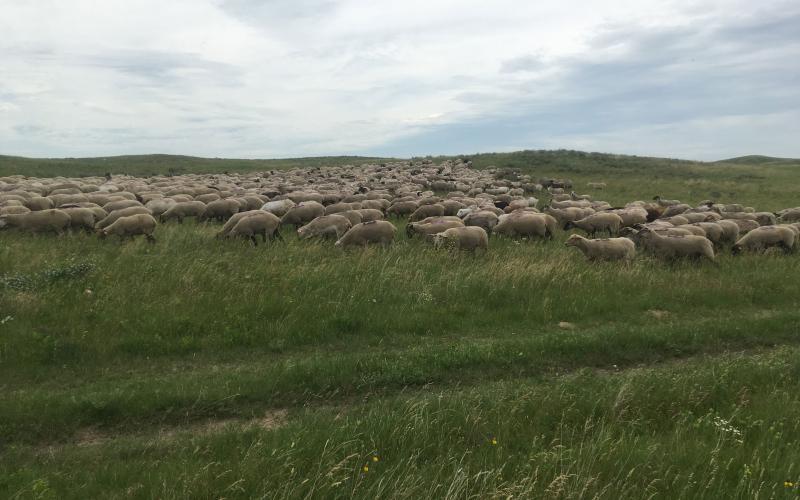
Multi-Species Grazing as an Alternative to Pasture Spraying
Broadacre spraying of pastures is intended to reduce undesirable plants and increase grasses for livestock. This practice often results in unintended consequences, including damage and reduction of native forbs and reduced profitability. One approach to managing perceived “weedy” plants is incorporating different species of livestock into a grazing operation.