Search
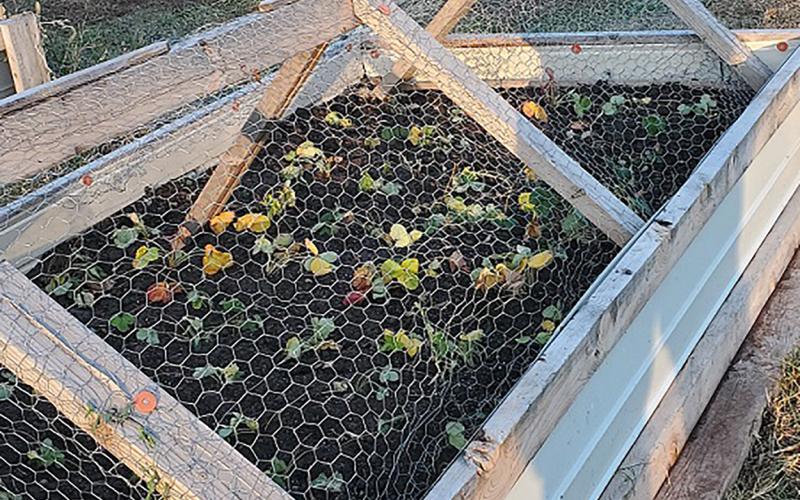
Preventing and Dealing with Hail Damage in the Garden
Do you live in an area prone to hailstorms? All is not lost! Learn about some options to protect your plants when storm clouds threaten along with strategies for caring for damaged plants afterwards.
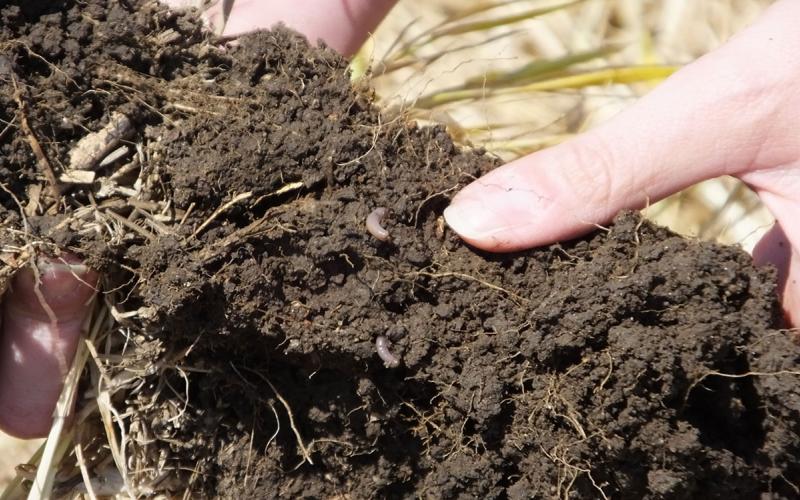
What Makes Up a Healthy Soil?
Healthy soil has strong soil structure that stays together whether it’s wet or dry. Learn about the many components that combine to make soil healthy.
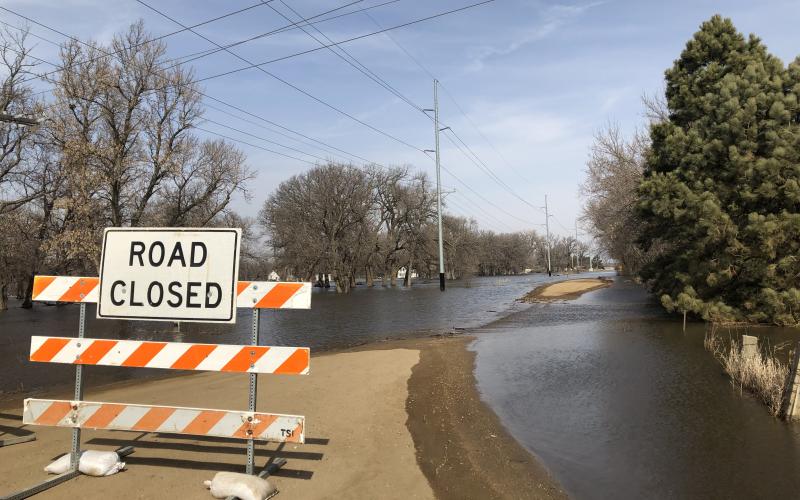
Floods Continue With a Wet Outlook
As April unfolds, major flooding continues along the Eastern rivers. The James River is at crest in Brown county the first week of April and will slowly recede while maintaining flood level for much of April.
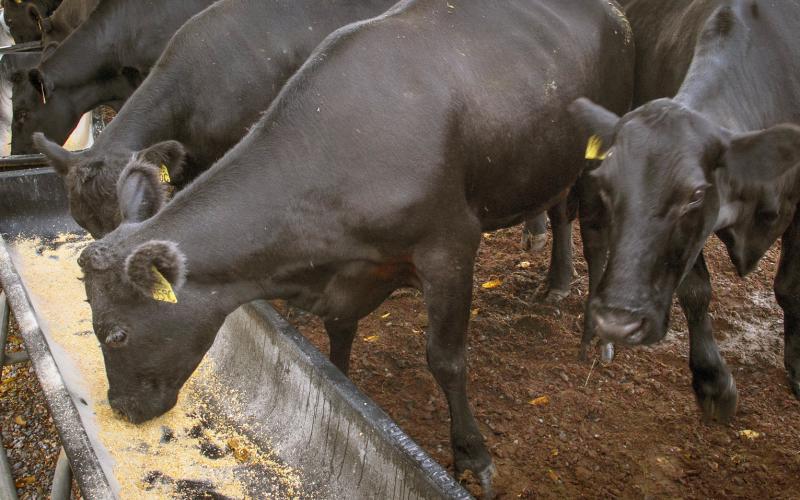
Impacts of Nutrient Restriction on Heifer Pregnancy Success
Understanding the factors impacting reproductive failure within heifers is critical to implementing management strategies that will improve heifers’ chances of remaining within the beef herd and successfully producing calves.
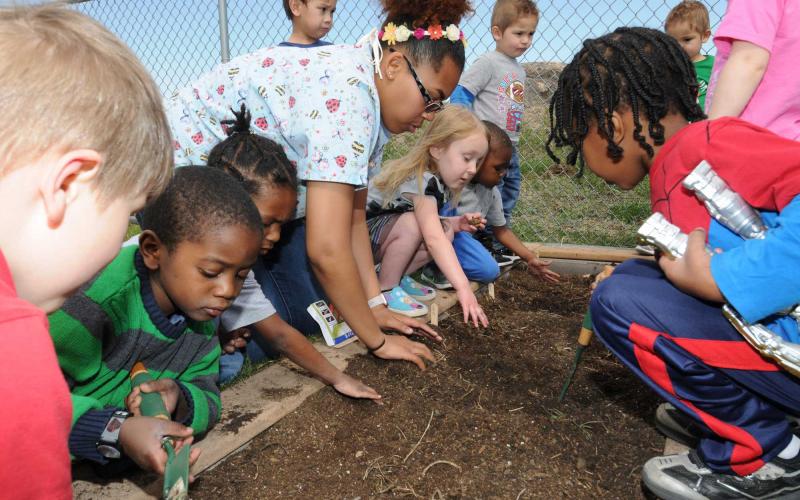
Stupendous Soils
In this Grow Getters lesson, you will answer the questions: “What is soil?” and “How can you make garden soil?”
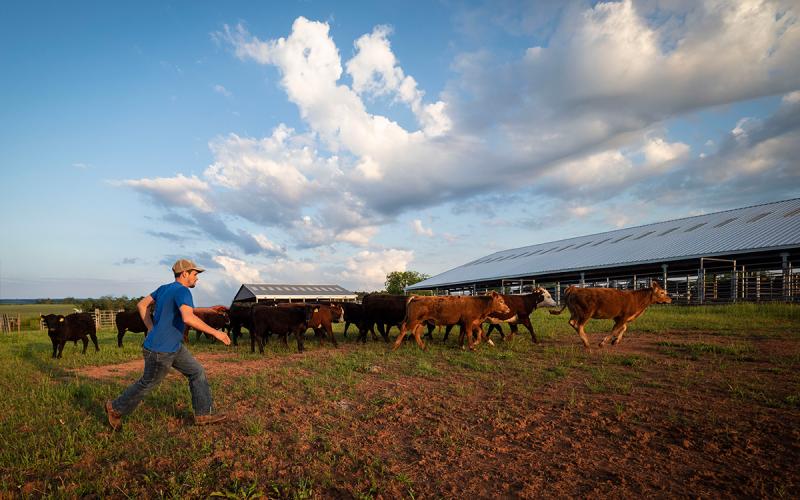
Preparing for the Fall Run
Having a plan in place for weaning and marketing will reduce stress for both your operation and your calves when the grazing season comes to an end and movement of calves begins.
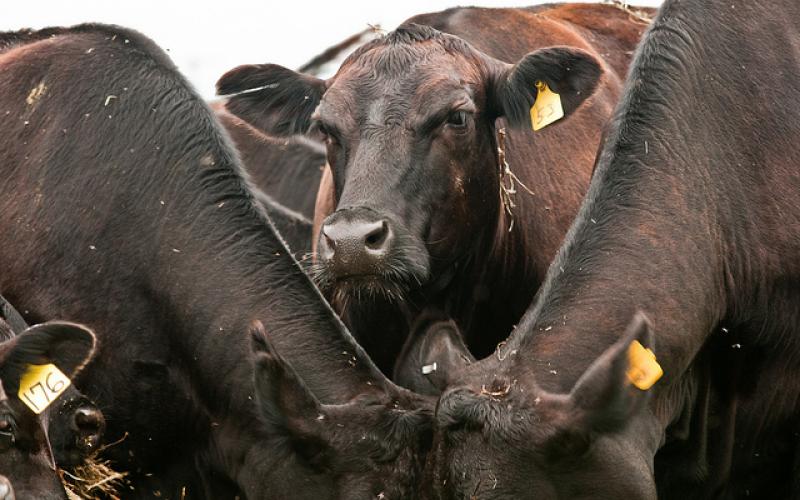
Cow Mineral Nutrition: Macro Minerals and Their Importance
Mineral nutrition is vital to overall cow performance. There are seven macro minerals that need to be analyzed and balanced within a cow’s diet. These are calcium (Ca), phosphorus (P), magnesium (Mg), sulfur (S), sodium (Na), chlorine (Cl) and potassium (K).

Tips For Fast Wound Healing
Did you know your nutritional status can greatly impact the way you heal a wound?
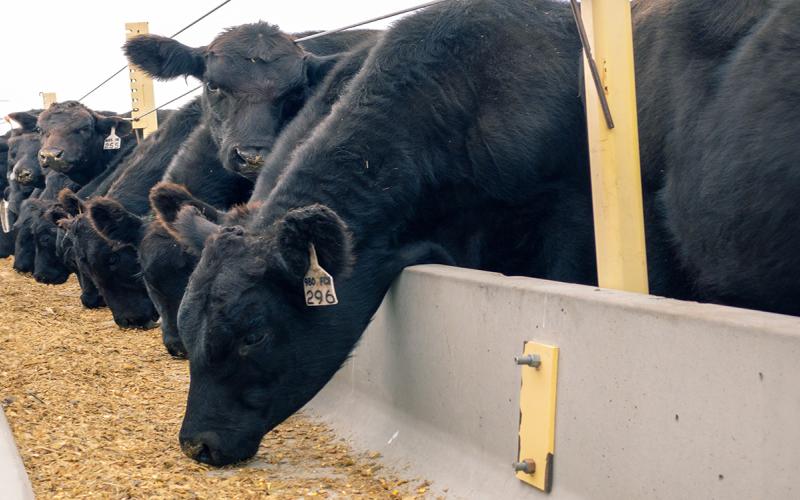
Preconditioning Calves: Is it the right choice?
Preconditioning involves weaning calves at least 45 days in preparation to enter the stocker phase or directly into the feedlot. Learn some important tips to help determine if it's the right choice for your operation.

Drought-Stressed Forage: Nitrate Considerations
While drought-stressed forages can provide valuable feed, they may also carry an increased risk of nitrate accumulation. Producers should be aware of before grazing, harvesting, and feeding these forages.