Search
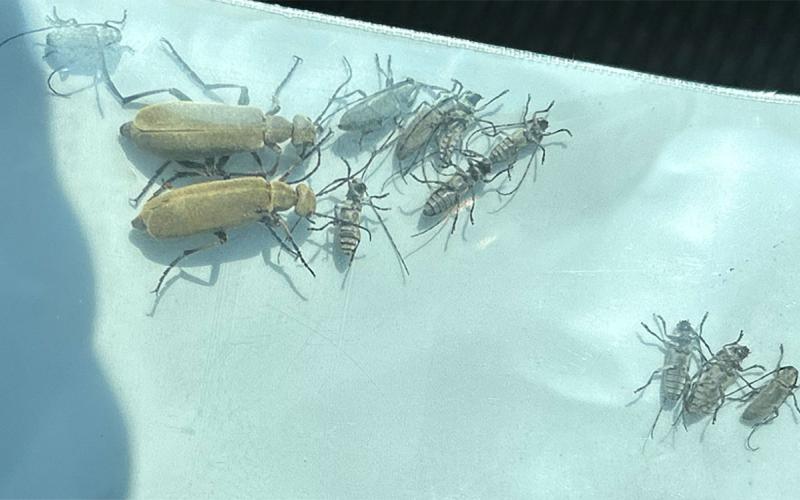
Dectes Stem Borer Adults Are Active in Soybean
SDSU Extension is again surveying soybean in South Dakota for Dectes stem borer adults. After a slow start this growing season, large populations of beetles were observed in soybeans last week.
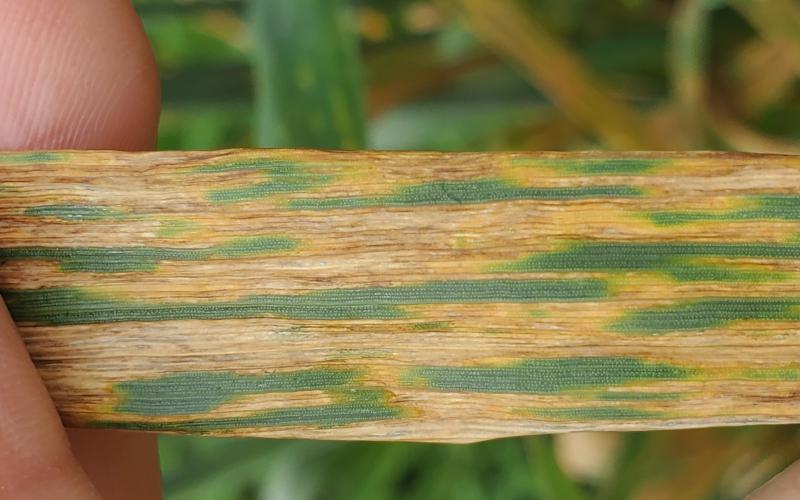
Bacterial Leaf Streak in Wheat Varieties Adapted to South Dakota
Research trial results for Bacterial Leaf Streak tolerance in winter and spring wheat varieties grown in a disease nursery near Volga, South Dakota.

Soil Testing for Vineyards in South Dakota
Not all soils are conducive to growing quality grapes, so prospective vineyard sites should be tested before a decision is made to plant grapes. Tests can identify soils that are either too high in pH, salts, or salinity, or that are “too rich” (too high in organic matter and nitrogen) for grapes. In addition, testing before planting allows for the incorporation of nutrients—such as phosphorus—that do not move easily through the soil to plant roots.

4-H Horticulture Skill-a-thon Project
The 4-H horticulture skill-a-thon is a contest that helps youth identify flowers, indoor plants, landscape ornamentals, fruits, nuts, berries, and vegetables. Be ready to expand your knowledge on greenhouses, turf, plant nutrition, landscaping, managing lawns and trees, and soil health.
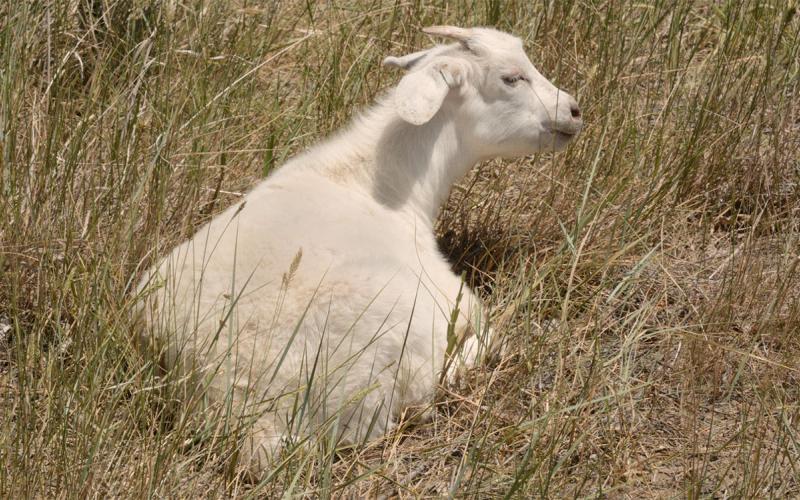
Heat Stress in Small Ruminants
The Upper Midwest provides periods of extreme heat during summer and shorter periods of heat stress potential during spring and fall. Are your sheep and goats cool enough in their environment?
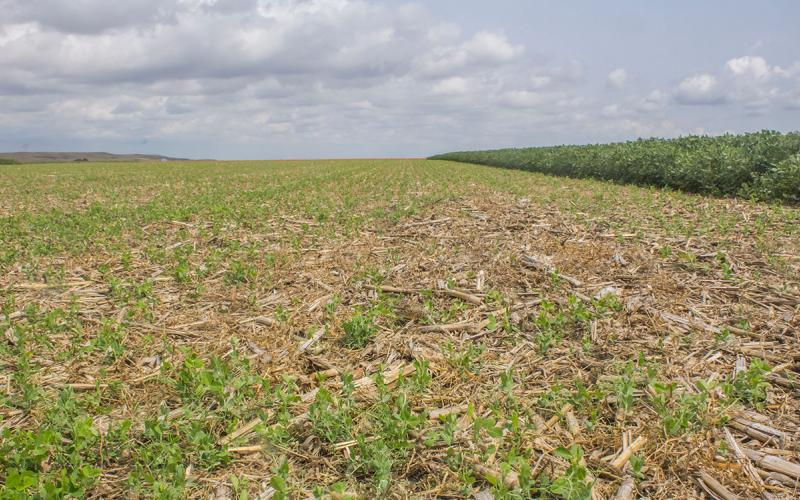
Midwest Cover Crops Council Releases Third Edition Cover Crops Field Guide
November 29, 2021
Cover crops are used to slow erosion, improve soil health and capture nutrients. From planting to termination, growers face many production decisions, however.
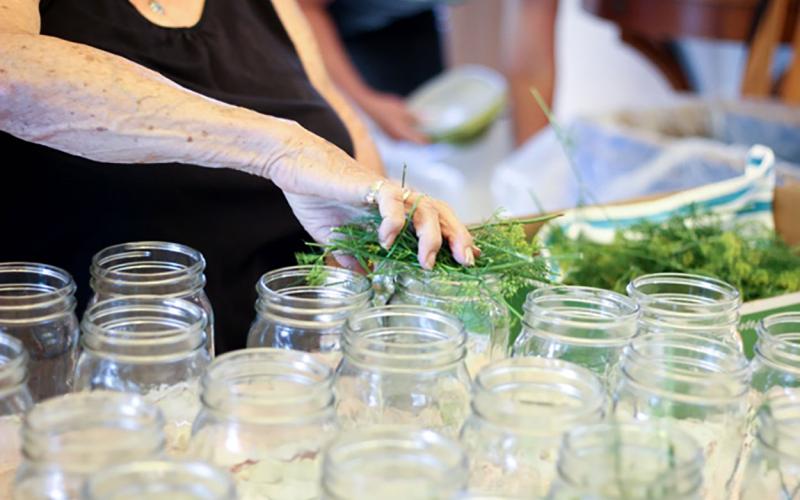
SDSU Extension offers training on updated Cottage Food Laws
October 23, 2023
South Dakota State University is providing training for food processors who would like to sell food products from their homes following updates to the state’s cottage food laws earlier this year.
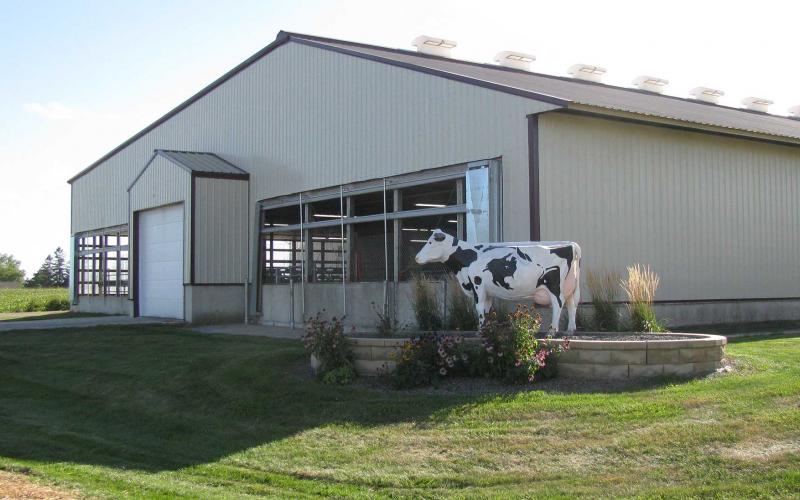
Being Vigilant of Livestock Property Security and Surveillance
Livestock producers have many daily responsibilities when it comes to caring for and protecting their animals. One responsibility is to remain vigilant regarding individuals that oppose the use of animals for food or other purposes.

Using Your Breath
The way we breathe can have positive or negative impacts on our health. If you find that moments throughout your day are marked by stress, the following breathing strategies may be techniques to try.
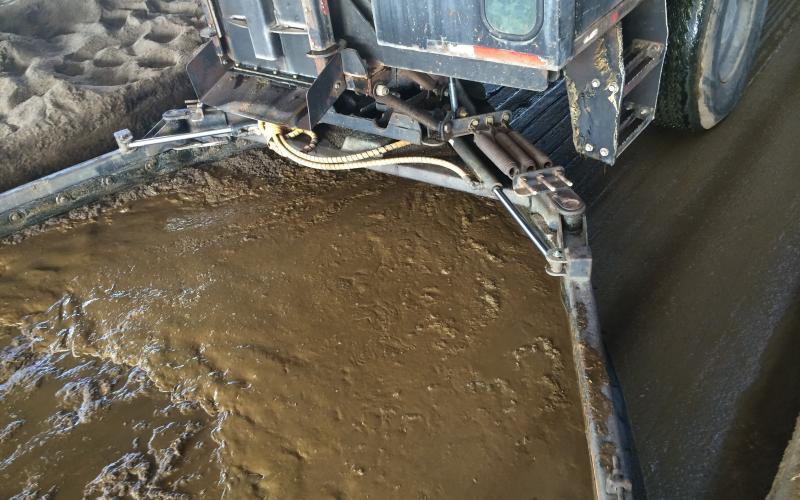
Understanding Manure Storage System Safety Risks
Many producers know and understand the risks associated with confined manure handling systems, but accidents and deaths still occur because unwarranted risks are taken as manure is being handled and removed from the systems.