Search
Garden Hour
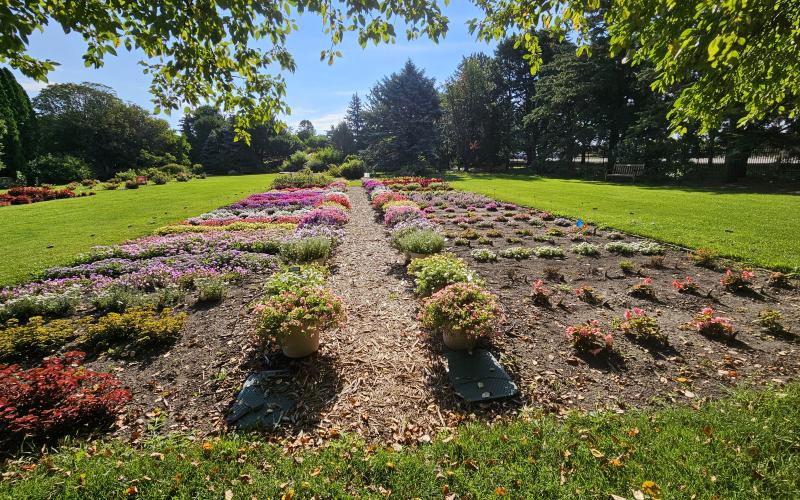
Make the most of your garden and landscaping with weekly insights and ideas from our team of experts.
Can You Break the Hydro-illogical Cycle?
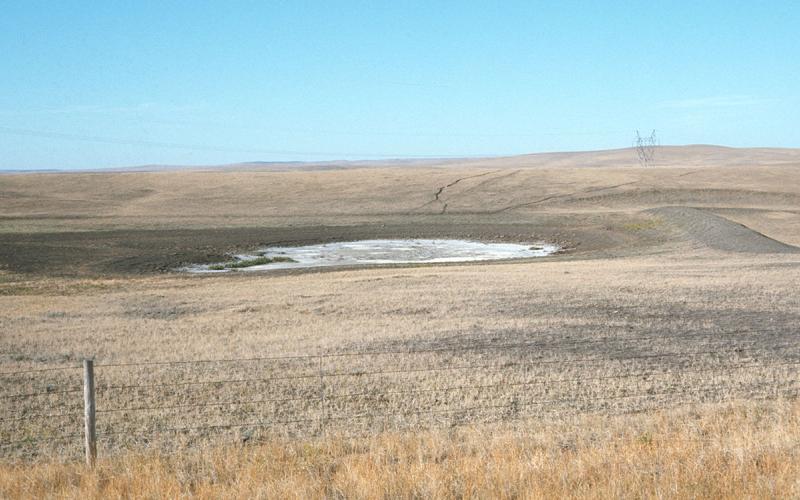
Regardless of the time of year, it is critical to start thinking about the next drought before we are in it. Learn some key strategies for breaking the Hydro-Illogical Cycle by leveraging drought motioning resources and creating a plan for your operation.

Davis retires after 30 years with SDSU Extension
July 17, 2024
South Dakota State University Extension Crops Business Management Specialist Jack Davis is retiring after 30 years of serving South Dakota’s agricultural community.
Strong, Effective Herbicide Programs Can Be Complimented With Narrow Row Spacing
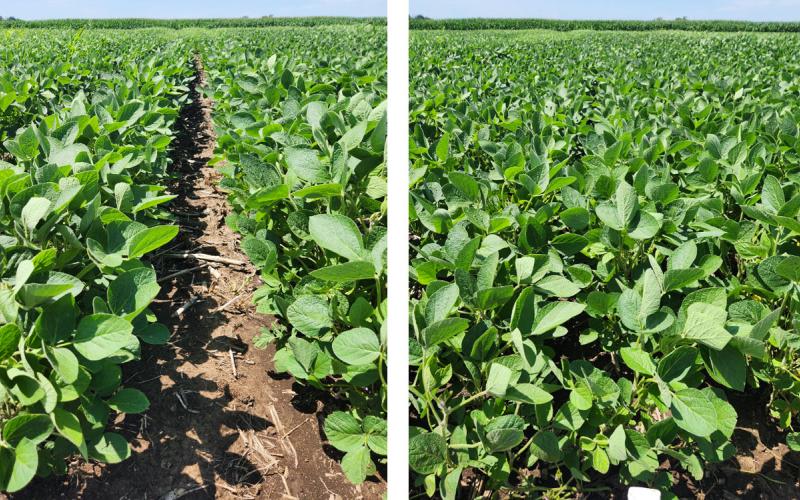
While strong herbicide programs will result in effective weed management, a cultural tactic, such as row spacing can result in a complementary increase in effectiveness.
Alternative Forage Options During Dry Times
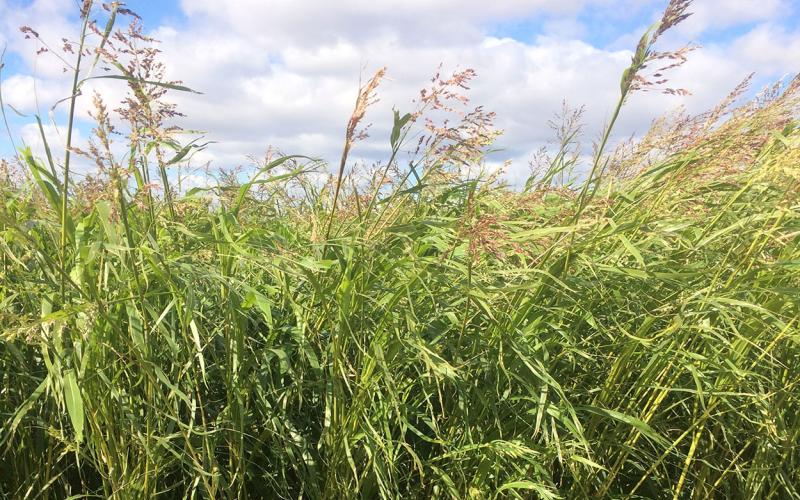
Although there are many factors to take into consideration, annual forages and cover crops can be an excellent tool to boost forage production, reduce fallow acres, and enhance soil health.

Soybean
SDSU Extension is your partner to increase yields and improve efficiency.
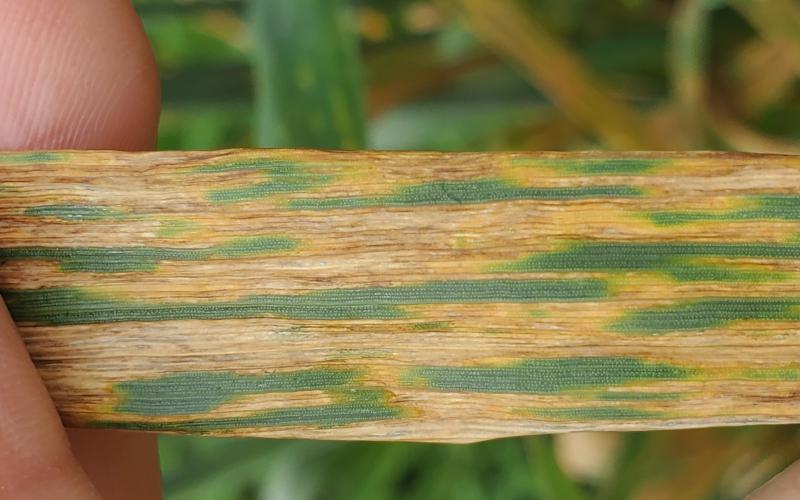
Bacterial Leaf Streak in Wheat Varieties Adapted to South Dakota
Research trial results for Bacterial Leaf Streak tolerance in winter and spring wheat varieties grown in a disease nursery near Volga, South Dakota.

Five Range Management Principles: #3 Ecosystem Biodiversity
Milkweed can help make rangelands a better environment for both cattle and neighboring plants and animals by having a shielding effect on companion plants, preventing erosion and accelerating the decomposition process, whole also providing nectar, habitat and organic material for ecosystem services.
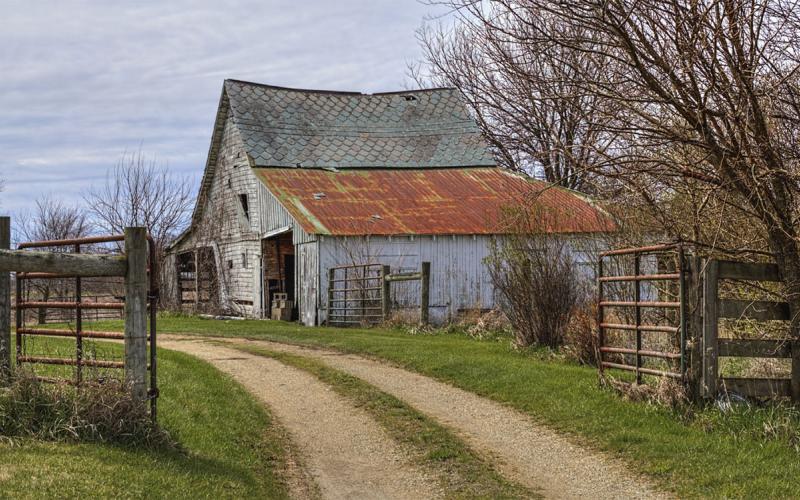
Home Is Where the Heart and History Are
When challenged with a degenerative nerve disorder, Gina and her husband worked with local contractors to modify their rural home to meet her accessibility needs. Learn how the project helped keep her in her family home for years to come.
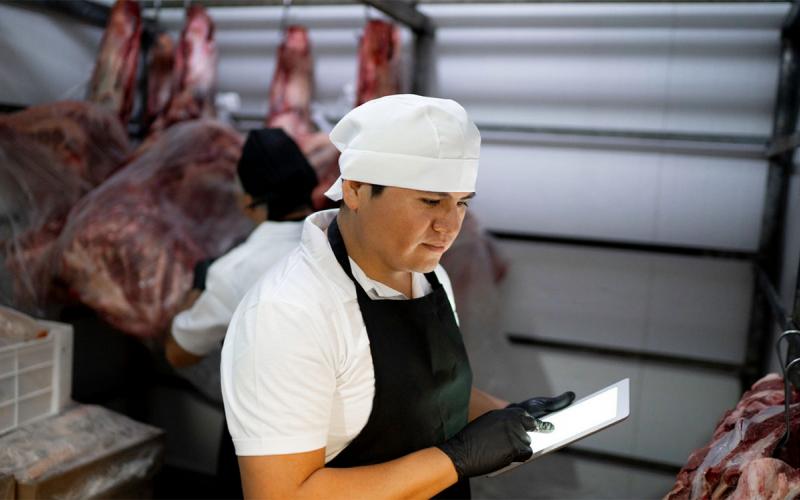
So, You Want to Build a Meat Processing Facility? Five Initial Steps to Consider
The need for more small meat processing capacity and skilled workers is not a new problem facing rural America. No matter the reason for wanting to build, here are some steps to consider before diving in.